DeepSeek AI chip push hits Nvidia, sharpens China race
DeepSeek AI chip plans pushed Nvidia shares lower and signalled that China's top model builders are moving faster toward domestic silicon.
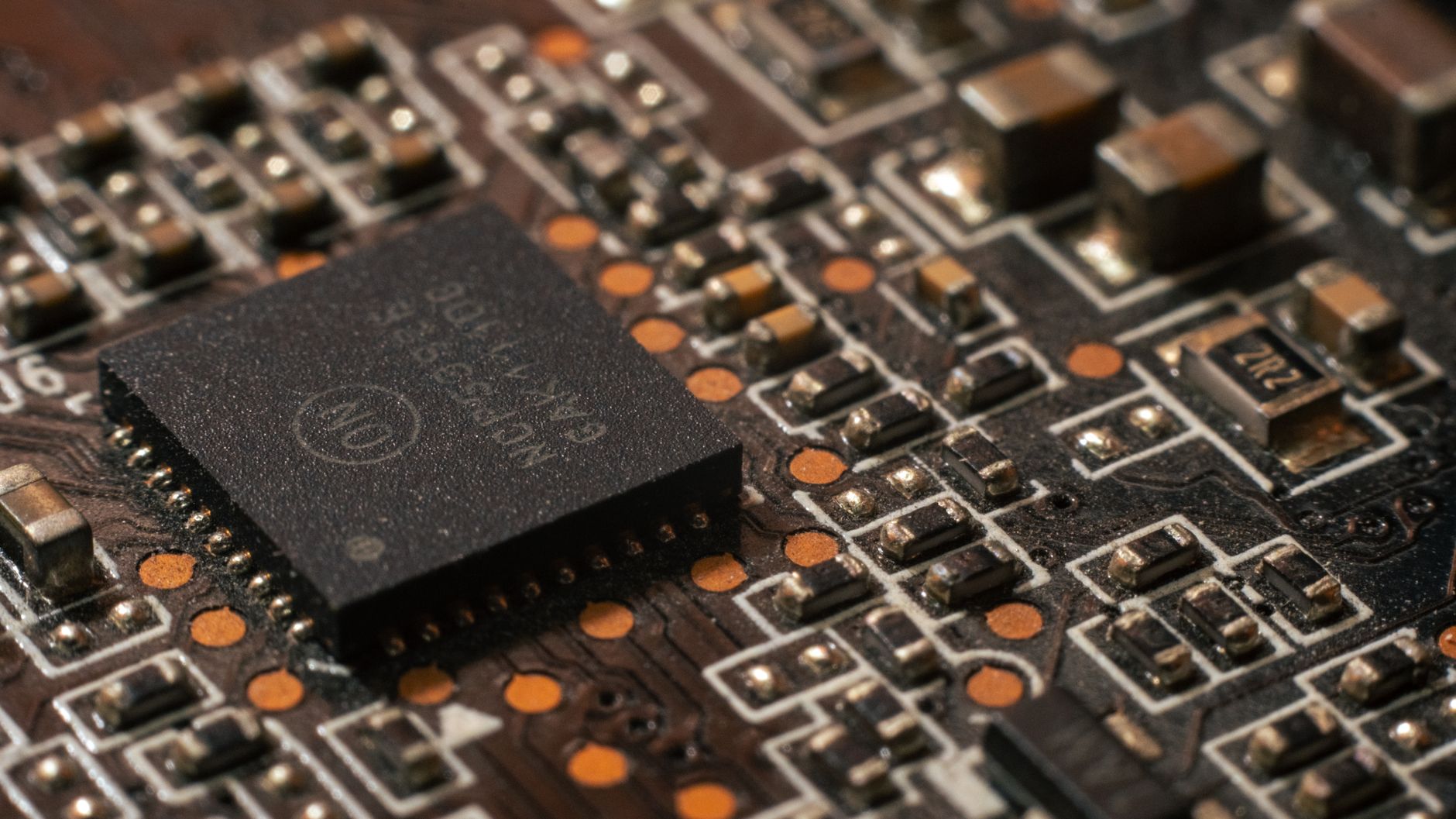
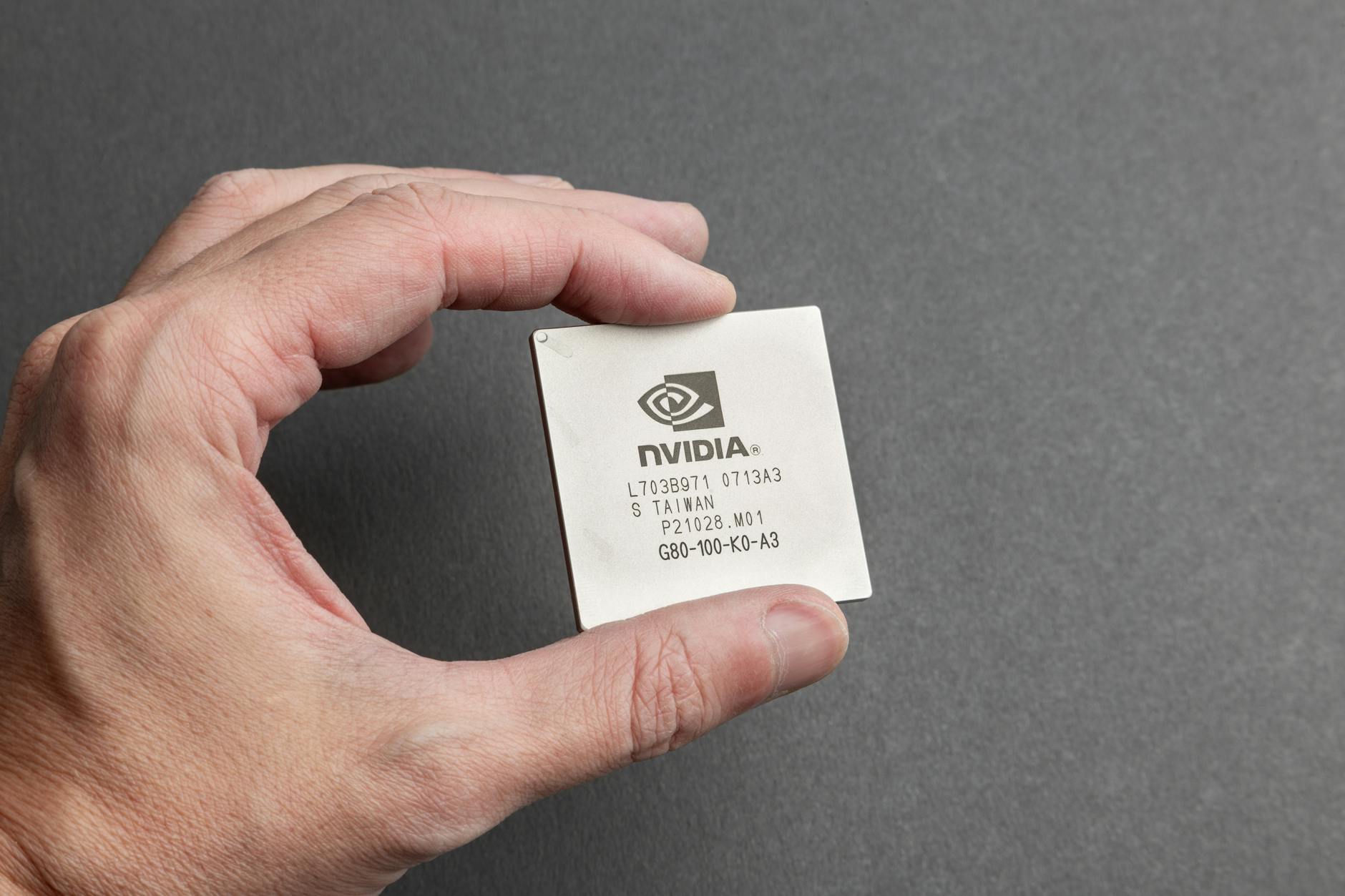
Nvidia (NVDA) shares slipped 1.6 per cent in premarket trading on Tuesday after Reuters reported that China’s DeepSeek is developing its own inference chip. The plan points to a possible cut in the startup’s reliance on Nvidia hardware and puts fresh attention on who captures China’s next wave of AI spending.
DeepSeek has worked on the project for about a year, Reuters said. It reads less like a technical side project than a test of whether China’s leading model builders can move from buying constrained accelerators to shaping more of their own hardware stack. For Nvidia, the pressure is no longer only geopolitical. Some customers now have a clearer reason to try substitution.
The company was also slated to pursue a maiden $7 billion funding round in June at a valuation of $52 billion to $59 billion, according to Reuters’s account of the company and its chip effort. Fresh capital, large inference demand and a domestic design push explain why investors treated the report as a read-through for Nvidia rather than as a private-company experiment.
The same report also set a boundary around the bearish case.
“Nvidia is at zero in China and staying there. DeepSeek has almost no chance of selling silicon outside of China unless it gets access to leading edge manufacturing.”
Richard Windsor, via Reuters
Windsor’s point keeps the near-term damage in proportion. The question for Nvidia is not whether DeepSeek suddenly becomes a global rival. It is whether China’s AI market keeps reorganising around local supply chains.
Reuters said Huawei controls about half of China’s $50 billion domestic AI chip market, leaving DeepSeek to enter a contest that already has an entrenched local supplier, a state-backed substitution push and customers that have spent two years working around US controls. Nvidia faces pressure from policy and from former buyers with a stronger incentive to diversify.
That does not make DeepSeek an obvious winner over Huawei. Reuters’s framing suggests the startup is trying to avoid dependence on any single supplier in a market where Nvidia is constrained and Huawei is already embedded. China’s AI groups have used that posture before: build domestic options, keep workloads moving and tolerate lower efficiency if it buys strategic room.
Why the move matters
Ars Technica, in its analysis of the Reuters report and the export-control backdrop, argued that successive US restrictions have made in-house design more rational for Chinese AI groups. The tighter the rules around advanced Nvidia parts, the stronger the case for chips that are less exposed to foreign bottlenecks, even if those parts trail the global frontier on performance.
The stock reaction was modest, but the message to investors was sharper than the percentage move. DeepSeek is one of China’s best-known AI names. When a company at that scale starts designing inference silicon, the question changes from whether China wants domestic alternatives to whether its largest model builders think they now need them.
Windsor’s caution still matters. A chip designed for DeepSeek’s own workload is not the same as a broad, exportable challenge to Nvidia. Without access to leading-edge manufacturing, any domestic win would be concentrated inside China, not across the global data-centre market. Tuesday’s report nonetheless brought back a race equity investors had preferred to treat as secondary: who owns the hardware layer underneath China’s AI models.
Avery Lin
Markets editor covering US equities, single-name stocks and quarterly earnings. Reports from New York.