PBOC lifts Hong Kong yuan hub with 800bn Bond Connect quota
Hong Kong yuan hub plans widened as the PBOC raised the southbound Bond Connect quota to 800 billion yuan and backed new gold clearing.

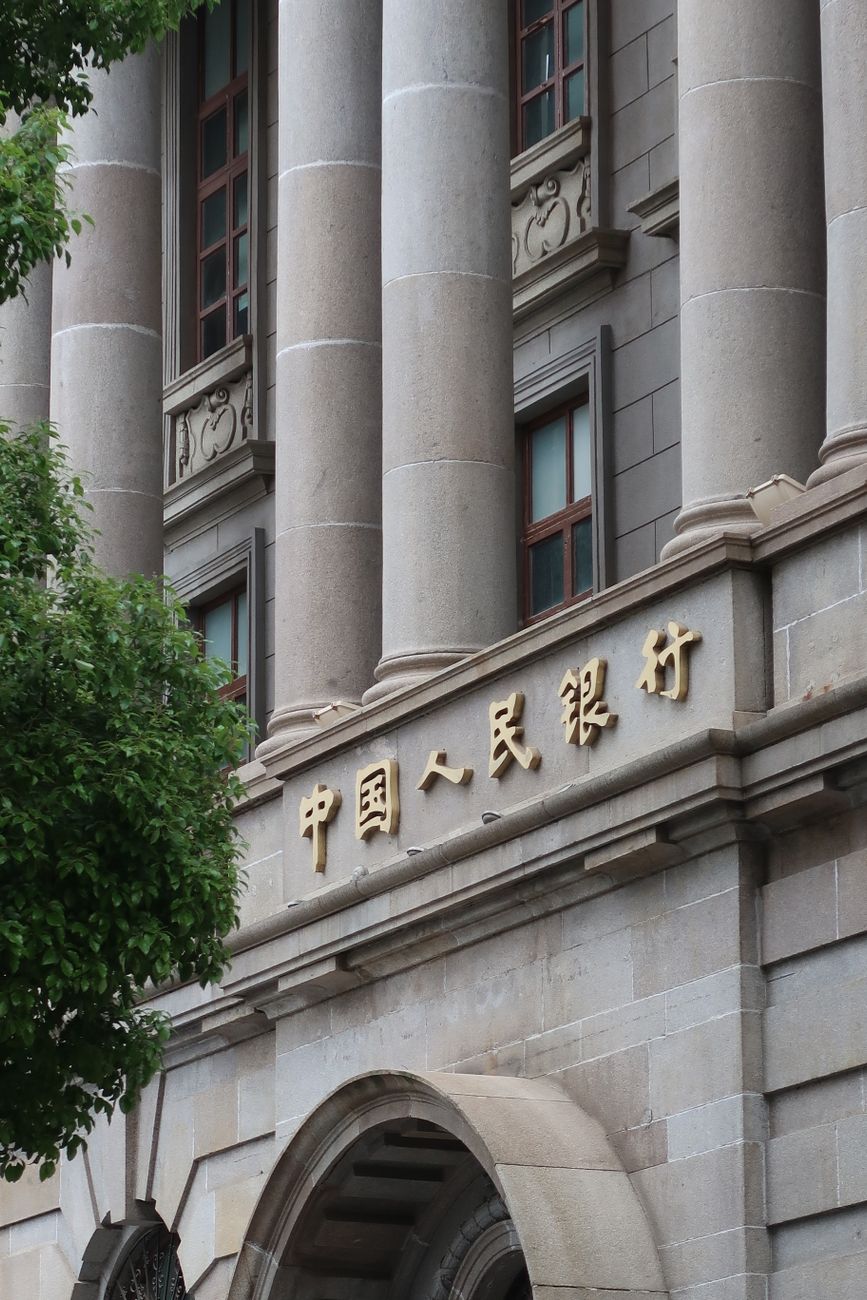
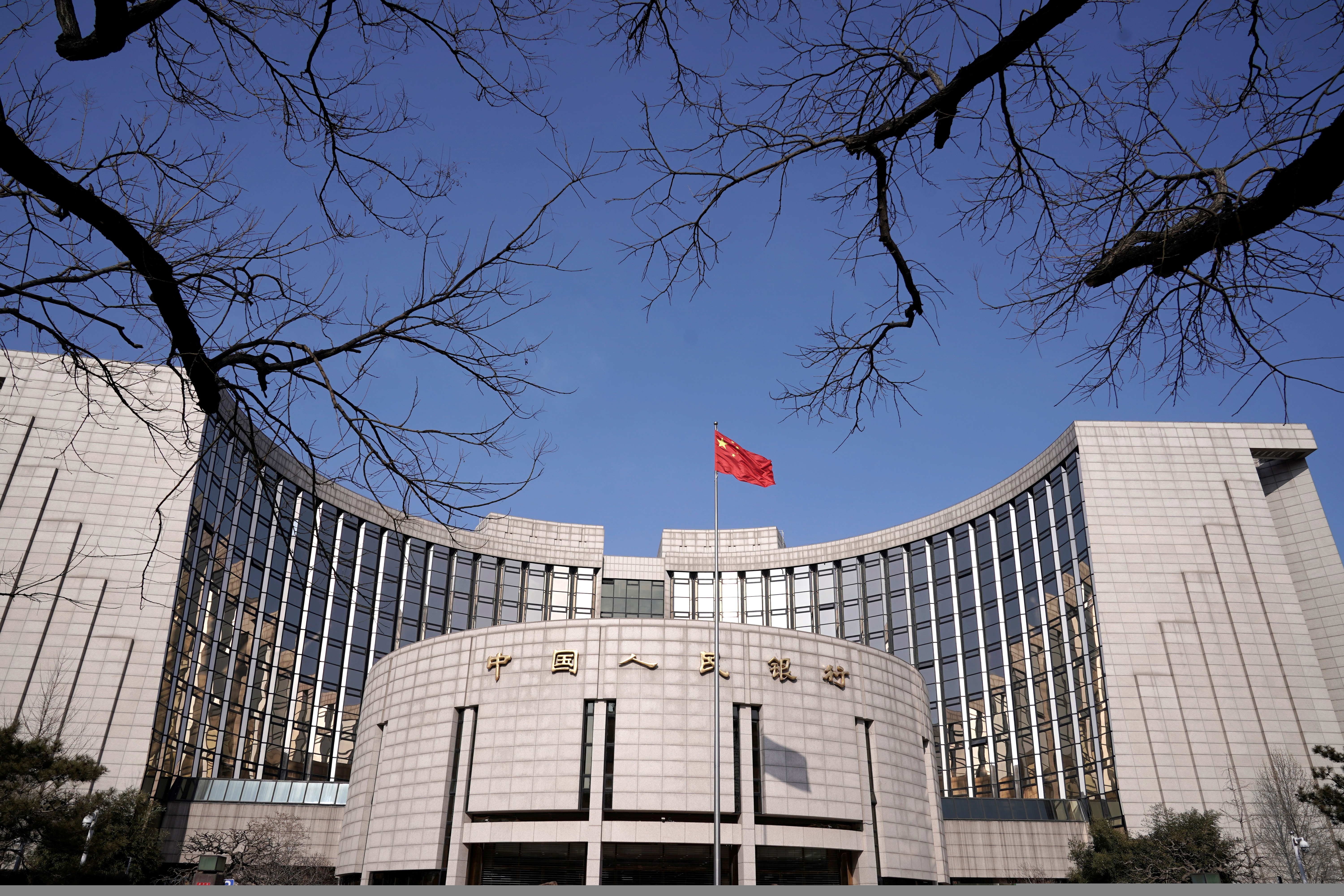
China’s central bank raised the southbound quota under Bond Connect to 800 billion yuan from 500 billion yuan on Tuesday, giving mainland investors more room to buy debt through Hong Kong. The increase sits inside a wider package meant to deepen the city’s role in offshore yuan funding, bond trading and gold settlement.
For Beijing, the useful work is in the plumbing. The package adds capacity where money moves: cross-border bond access, cheaper and longer-dated offshore yuan liquidity, and a gold system designed to handle storage, delivery and clearing in Hong Kong. It pushes yuan internationalisation while leaving China’s capital-account controls largely intact.
RTHK reported that the Hong Kong Monetary Authority will lift its renminbi liquidity facility for participating institutions to 500 billion yuan from 200 billion yuan and lengthen available tenors. Pan Gongsheng, governor of the People’s Bank of China, told a Hong Kong audience that Chinese bonds still had a case with overseas allocators.
“Chinese bonds, with their relative stability and low volatility, offer distinct diversification advantages, and continue to attract demand from international investors seeking to allocate assets.”
Pan Gongsheng, PBOC governor, via Reuters
Gold market buildout
The gold measures are less decorative than they may sound. The Hong Kong government said trial operations for a gold warehouse and clearing system are due to begin this year, with storage capacity targeted at more than 2,000 tonnes within three years. Eleven banks sit on the board of the government-owned Hong Kong Precious Metals Central Clearing Company Limited, officials said, giving the project a banking base before the system starts.
Hong Kong is trying to put several pieces of bullion infrastructure in one place: vaulting, clearing, delivery, futures and cross-border links. Reuters reported that officials also want to connect the city with the Shanghai Gold Exchange through a Delivery Connect arrangement. If the link works, offshore investors could store metal, settle contracts and route reserve-related flows through the same market.
John Lee, Hong Kong’s chief executive, tied the project to official reserve management and safe-haven demand.
“If gold is the world’s safe haven, then Hong Kong will be its safe harbour.”
John Lee, via Reuters
Offshore yuan strategy
The bond and gold measures run in the same direction. Beijing is widening the offshore channels through which the yuan can circulate, be funded and be priced, while the mainland’s core capital-account architecture stays in place. Pan also said, according to Reuters, that more foreign-exchange reserves were being allocated to Hong Kong, a sign that policymakers want the city to handle more of the currency’s market infrastructure.
For investors, this is a market-access story rather than sudden liberalisation. The southbound Bond Connect increase to 800 billion yuan, a 60 per cent rise from the previous cap, gives domestic buyers more room in Hong Kong’s debt market. The larger renminbi liquidity line should make offshore funding conditions more workable for banks and issuers. Gold adds a reserve-linked commodities leg to a pitch already built around fixed income and foreign exchange.
Pan also linked the package to issuance conditions. In comments carried by Reuters, he said lower yuan funding costs meant Hong Kong’s offshore renminbi bond market now faced a development opportunity. For borrowers, a deeper dim sum market backed by clearer liquidity support offers another route to raise Chinese currency offshore. Reserve managers and global funds would get a larger pool of investable paper.
The package is broader than a routine policy speech because it gathers the pipes behind cross-border capital flows in one market: quota, liquidity, clearing, storage and delivery. That makes Hong Kong harder to bypass in the offshore yuan system as competition for regional capital-market business intensifies.
Helena Brandt
Macro reporter covering the Federal Reserve, ECB, inflation prints and jobs data. Reports from Washington.