Hong Kong gold clearing system starts trial with 11 banks
Hong Kong gold clearing system entered trial operation with 11 banks, linking local bullion settlement to Shanghai as the city chases pricing power.

Hong Kong started trial operation of a gold clearing and settlement system backed by 11 banks on Tuesday, adding a new bullion rail as the city tries to draw more physical settlement into its own market. The pilot gives eligible bars a central venue instead of leaving clearing to dealers and offshore relationships. For officials seeking more influence over how gold moves through Asia, the plumbing is the policy.
Spot bullion prices were not the real subject of the launch. Hong Kong is trying to own more of the infrastructure under future flows: clearing, connectivity, storage and risk management. Market coverage of the launch framed the same ambition in terms of pricing power, which usually accrues to venues that can settle metal reliably and keep related services nearby.
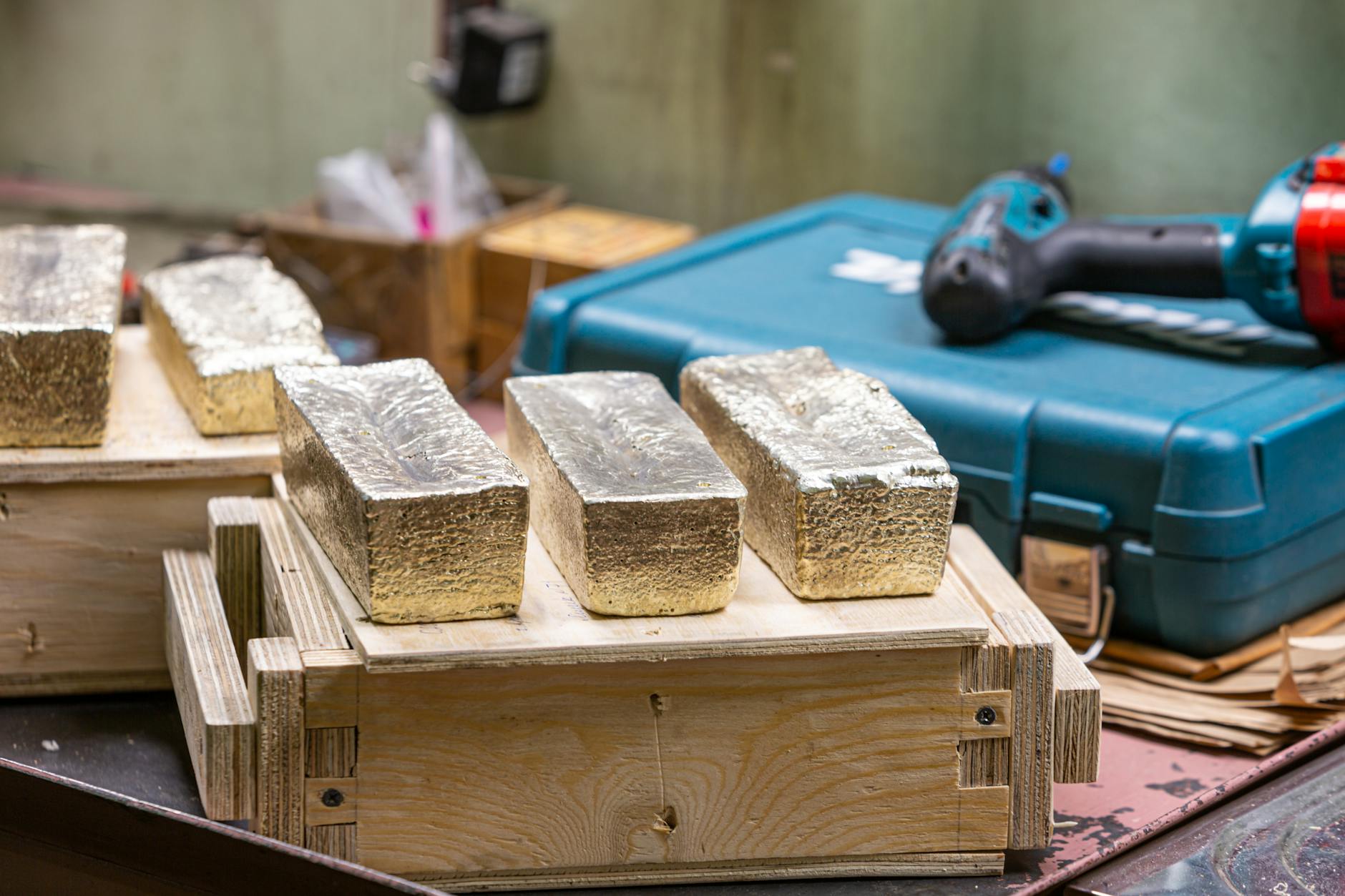
The first phase brings in 11 participating banks and Hong Kong Precious Metals Central Clearing Co to process settlement for bars of about 400 fine troy ounces. Authorities said Delivery Connect with the Shanghai Gold Exchange has also entered trial operation, with banks completing two-way transfers between the two markets. That makes the project a cross-border bridge, not just a local ledger.
In a government statement, Financial Secretary Paul Chan described the launch as a practical buildout of trading infrastructure:
“The commencement of the trial operation of the gold central clearing and settlement system today marks a significant step forward in developing Hong Kong’s gold trading infrastructure.”
Paul Chan, Hong Kong financial secretary
Local broadcaster RTHK reported that the package also covers storage, insurance and tax measures. Those pieces explain why officials keep calling the project a platform. A clearing rail becomes more useful when traders can settle a bar, store it, insure it and hedge the exposure without leaving the same jurisdiction.
Why the rail matters
Market plumbing can look dry. It usually decides where risk is managed. The venue that handles settlement shapes how counterparties finance inventory, where bars sit and which market becomes the natural reference point for later trades. Hong Kong is trying to insert itself at that level of the chain, rather than compete only for a single day’s order flow.
The Shanghai Gold Exchange connection is the strategic piece. If banks can move bars between mainland and Hong Kong inventory through a standardised process, the city gains a more useful role in regional bullion settlement than a booking centre alone would provide. The trial also tests whether price discovery can form around actual movement of metal. Officials have not disclosed expected transaction volumes, fee economics or a date for full rollout, leaving the market without the commercial detail needed to judge scale.
In the same government release, Secretary for Financial Services and the Treasury Christopher Hui said Hong Kong wanted a platform spanning clearing, connectivity, price discovery, risk management, storage and insurance. The phrasing matters because officials are presenting settlement as the anchor for a broader bullion-services stack. If volumes build, more fee income, inventory and trading signals would remain inside the city.
Reuters reported that the gold measures came alongside an expansion in the Southbound Bond Connect quota to 800 billion yuan from 500 billion yuan, suggesting Beijing is treating bullion and bond infrastructure as part of the same offshore-market push. Reuters also said authorities are reviving gold futures in Hong Kong. Clearing alone does not make a pricing centre; participants need liquidity, hedging tools and a reason to keep business onshore after a trade is booked.
Chief Executive John Lee said Hong Kong wanted to become a regional reserve hub for bullion. The harder test starts after the ceremony. If those 11 banks route meaningful metal through the system and Shanghai transfers become routine, Hong Kong moves closer to the market’s operating core. If activity stays thin, the trial will look more like industrial policy than a change in bullion pricing power.
Reza Najjar
Commodities desk covering oil, natural gas, gold and base metals. Reports from London.