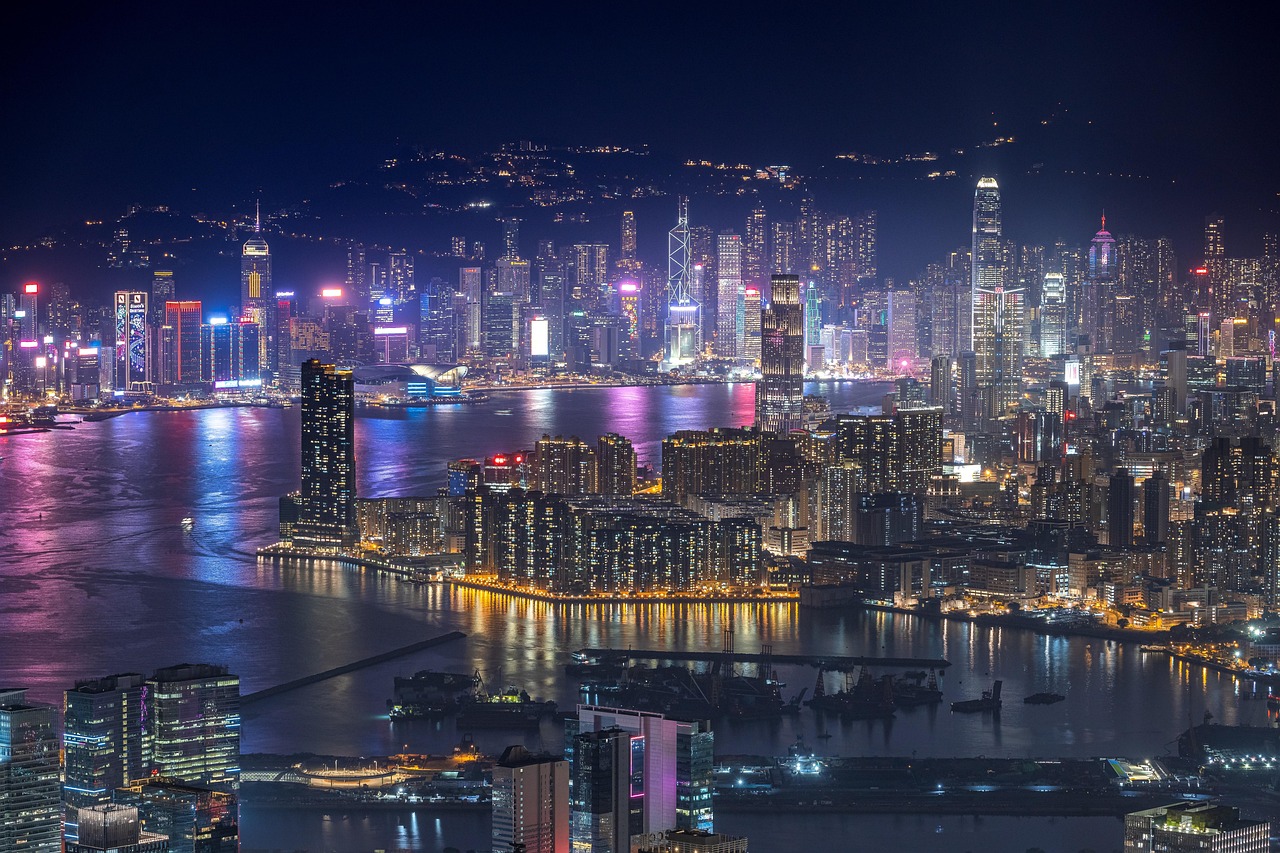
A forgotten Hong Kong listing format is back
Hong Kong HDR listing plans by Merdeka Gold would revive a 12-year-dormant format and test Asia's IPO appetite beyond China.
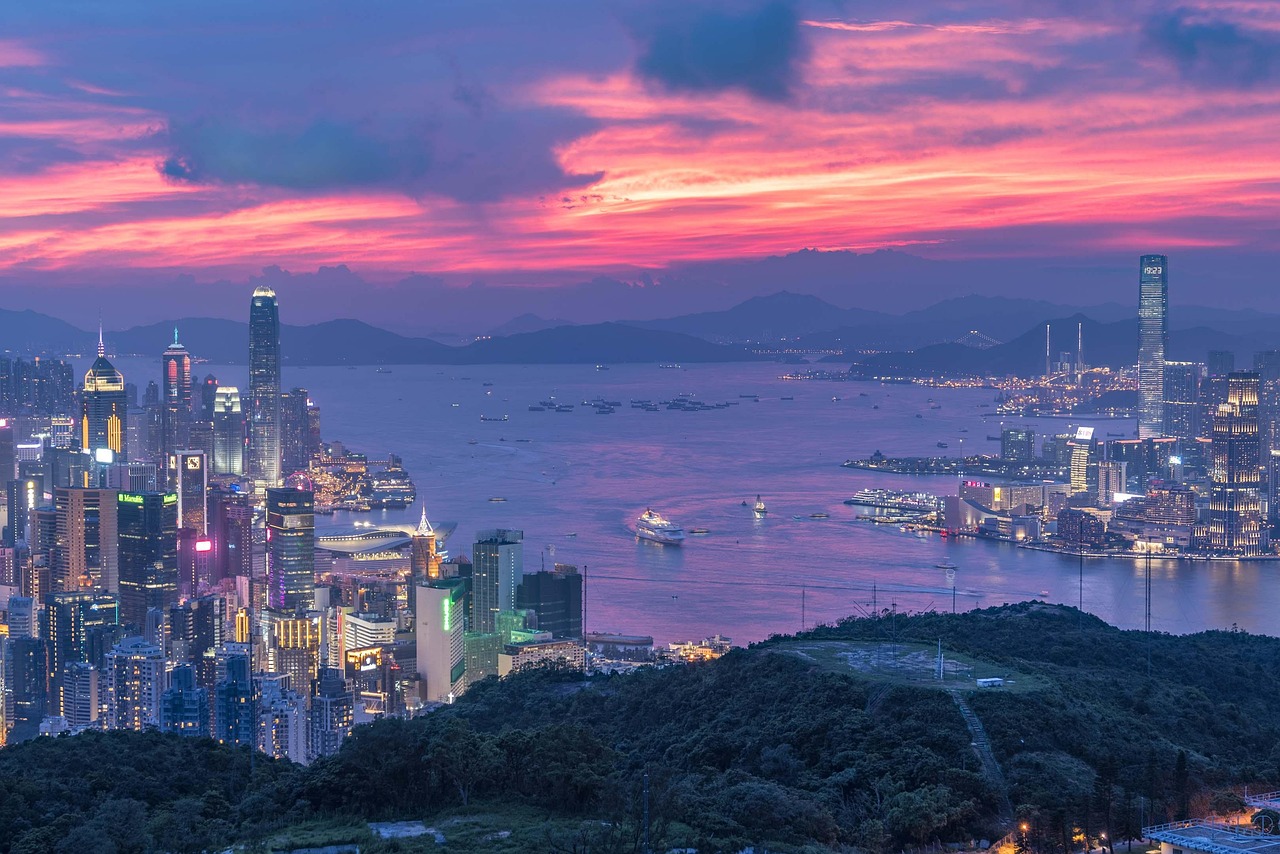
PT Merdeka Gold Resources is turning a Hong Kong fundraising plan into a test of market memory. The Indonesian gold miner’s planned debut would revive a listing structure the city has not used in 12 years, asking whether Hong Kong can again sell itself as Asia’s venue for issuers beyond mainland China.
Through Hong Kong depositary receipts, Merdeka is preparing a second listing, according to Bloomberg’s report on the planned transaction. Bloomberg reported that the company is targeting at least $500 million after its Jakarta-listed shares climbed 151 per cent since a September 2025 debut. Size matters. Structure matters more.
HDRs were built to let overseas companies trade in the city without moving their primary listing. Almost none have come since Fast Retailing’s 2014 debut, which makes Merdeka’s plan less a routine mining float than a market-structure experiment. A successful deal would give Hong Kong evidence that its IPO rebound has breadth. A weak aftermarket would revive the old worry: foreign listings can arrive with fanfare and then trade like curiosities.
Two incentives meet in the transaction, though they are not identical. Merdeka wants deeper international capital and better liquidity. Hong Kong Exchanges and Clearing wants issuers from Southeast Asia and the Middle East to see the city as a second-listing hub again. There is overlap, and there is tension.
The listing signal
Merdeka has framed the application as part of a broader capital-markets strategy. In a March statement, the company said it had submitted an application to list on the Hong Kong Stock Exchange while it continues to ramp up operations in Indonesia.
“We remain focused on safely ramping up operations and delivering long-term value, while enhancing our access to international capital markets.”
Boyke Poerbaya Abidin, president director of PT Merdeka Gold Resources
From the issuer’s side, the question is practical. A Hong Kong line can widen the shareholder base, introduce more global funds to the register and potentially reduce dependence on domestic liquidity. That is not cosmetic for a miner still scaling production. Another venue can make future equity raises easier, give existing holders an exit route and attach the company to a market where mining and commodity-linked names have regained some visibility during gold’s bull run.
Liquidity, however, does not appear simply because a ticker moves. Depositary-receipt structures need market makers, local investor familiarity and enough free float to prevent the second line from becoming a thin echo of the home listing. Merdeka’s 151 per cent Jakarta gain cuts both ways. It creates investor attention, but also asks Hong Kong buyers to underwrite a company after a large move has already occurred.
Hong Kong wants breadth
Market timing helps explain why the plan is getting attention. Hong Kong’s IPO market has been rebounding after several quiet years, helped by stronger Chinese listings, rising secondary deals and a more active pipeline. Reuters reported that foreign companies have been eyeing Hong Kong listings as the rebound broadens, with about 10 overseas issuers filing this year.
Johnson Chui, HKEX’s head of global issuer services, gave the clearest version of the pitch.
“We feel that this is the start of a structural change of the next phase of international companies listing in Hong Kong.”
Johnson Chui, HKEX head of global issuer services, to Reuters
Chui’s phrasing does a lot of work. A cyclical rebound would mean issuers are returning because valuations have improved and risk appetite has reopened. A structural change would mean Hong Kong is becoming useful to a wider set of companies, not just mainland groups seeking offshore capital or global investors looking for China exposure.
Against that backdrop, Merdeka is a useful test. A Chinese consumer company considering a Hong Kong float is still broadly inside the city’s familiar orbit. So is an AI or biotech issuer with a clear mainland revenue base. An Indonesian gold miner using HDRs is different. The structure asks investors to look at Hong Kong less as a China proxy and more as a regional capital pool.
HKEX officials have been making that argument for some time. Reuters reported in 2025 that Hong Kong’s bourse was seeking to woo Southeast Asian and Middle Eastern firms for second listings. Merdeka would be a visible proof point because it is not merely another company adding a conventional share sale. The deal would reopen a format designed for exactly this kind of cross-border bridge.
The IPO window is open
The experiment is happening against a more forgiving market. Reuters reported that Hong Kong IPOs raised HK$110.4 billion across 40 listings in the first quarter of 2026, a pace that has made bankers more willing to pitch the city as a viable venue again. Bloomberg has also reported on a run of prospective deals, from Chinese food chains to Vietnamese diagnostics companies, showing a pipeline no longer confined to one sector.

Open windows can be deceptive. They make weaker structures look better because demand is abundant. Exchanges also become more willing to revive instruments that looked uneconomic in duller markets. The real test for HDRs will not be the first-day headline or even the amount raised. Funds have to keep trading the instrument once the marketing tour ends.
Commodity exposure adds another layer. Gold-linked equities have benefited from investor demand for inflation hedges, central-bank buying and geopolitical uncertainty. That support can make a miner easier to sell than a more obscure foreign industrial issuer, while obscuring the listing-format question. A successful Merdeka trade might prove that investors want gold exposure and Indonesian growth, not necessarily that HDRs are back as a durable product.
The skeptic’s case
History is the skeptic’s exhibit. HDRs did not disappear because bankers forgot how to structure them. They faded because too few issuers used them and too few investors treated them as essential instruments. Thin trading can become self-reinforcing: low volume discourages institutional participation, lower participation widens spreads, and wider spreads make the instrument less attractive.
Chui’s second line to Reuters is therefore more useful than the grander structural-change claim.
“The nexus is broadening.”
Johnson Chui, HKEX
Breadth is measurable. It would show up in more overseas applications, more non-China issuers completing deals and more secondary-market volume after listing. One miner would not prove it, no matter how strong the fundraising number looks.
For Hong Kong, the prize is not only fee income from a single float. The city is competing to keep its role as a regional financial centre while Singapore courts wealth flows, mainland exchanges retain domestic champions and New York remains the deepest pool for global growth names. A revived HDR market would give Hong Kong another tool in that competition, especially for companies that want international investors without shifting their corporate centre of gravity.
Issuers will grade the result more narrowly. Does the city deliver liquidity at an acceptable cost? Does a Hong Kong quote improve analyst coverage and valuation? Does the depositary-receipt format create friction for investors who could simply buy the home-market shares? Those are the questions Merdeka’s trading will begin to answer if the deal proceeds.
What would count as success
A strong outcome for Hong Kong would be modest but repeatable. Merdeka completes the listing, the HDRs trade with enough depth to keep spreads reasonable, and one or two other Southeast Asian issuers follow with similar structures. Such a sequence would validate the exchange’s argument that overseas companies see Hong Kong as more than an emergency fundraising venue.
Ambiguity is just as plausible. Merdeka could raise the money, trade well initially and then settle into low turnover. In that case, the transaction would still be useful for the company, but weak as a market signal. Hong Kong would have reopened a door without proving many issuers want to walk through it.
The harshest read is that the deal becomes a commodity-cycle footnote. Gold is hot, Asian IPO appetite has reopened and a miner with a rising share price can use a dormant structure because conditions are unusually favourable. That would not be failure. It would be a narrower success than the exchange wants.
Merdeka’s planned HDR listing is therefore a clean test because the claims are unusually easy to separate. The company is asking whether Hong Kong can improve its capital access. HKEX is asking whether the issuer base is changing. Investors are asking whether the structure will trade. The answers will not come from the prospectus alone. They will come from the order book, the aftermarket and whether the next foreign issuer decides this 12-year-old instrument is worth picking up again.
Naomi Voss
Banks and deals reporter covering bank earnings, fintech, M&A and IPOs. Reports from New York.