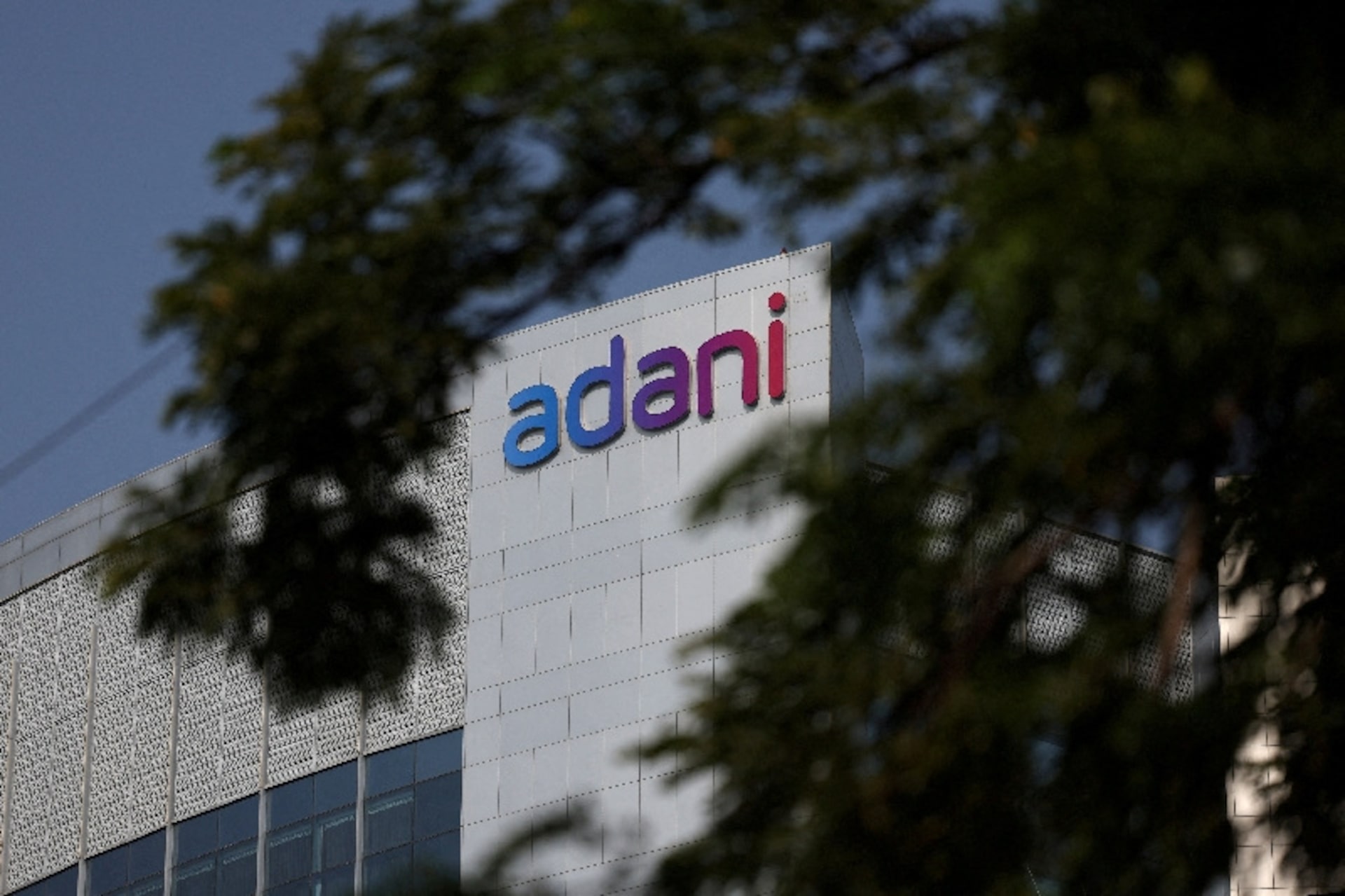
Adani DOJ case: judge seeks details, shares slip
The Adani DOJ case remains open after a US judge demanded sworn answers by July 15, leaving legal risk in place as Adani shares slipped.

Shares in Adani Enterprises Ltd (ADANIENT.NS) fell 0.52 per cent on Thursday to ₹3,040.10 after a US judge gave Gautam Adani until July 15 to answer sworn questions on the Justice Department’s bid to drop a bribery case, leaving an expected legal reprieve dependent on court approval.
According to Business Standard, Judge Nicholas Garaufis asked for more detail on the government’s request, keeping the case alive even after prosecutors moved to abandon it. Investors are watching more than the department’s desire to walk away. They also need to know whether the court is satisfied the exit was made in good faith and without any side deal. A legal overhang therefore remains for at least another week.
Since late June, Garaufis has signalled caution. In a June 26 ruling reported by Reuters, he said he would not immediately dismiss the charges and ordered prosecutors to justify the reversal. Now the follow-up questions put part of that burden on Adani himself, requiring the defence to answer on the record before the case can be unwound.
“Are you aware of any agreement exchanging anything for the dismissal of the indictment?”
Nicholas Garaufis, quoted by Business Standard
Garaufis’s question is narrow, but it goes to the heart of the dismissal request. The Justice Department has argued in a July 4 filing described by Business Standard that the matter is a foreign case, difficult to prove, and not tied to losses for US victims, US companies or national security. Lawyers cited by the paper said those points make it less likely the court will force prosecutors to continue. Still, the judge can demand a cleaner record before he signs off.
Prosecutors are also explaining a sharp shift from the theory they advanced when they brought the case. At that point, the alleged conduct mattered to US markets because Adani-linked entities had raised money from American investors. Their new position is that the foreign setting and proof hurdles outweigh that US nexus. The reversal helps explain why the court appears intent on building a fuller record before closing the file.
In practical terms, the department is no longer just defending a charging decision. It is explaining a reversal in a case that once looked like a high-profile test of how far US anti-bribery and securities theories can reach when capital is raised from American investors. A sudden change in posture gives the court more reason to seek sworn assurances that nothing outside the public filing drove it.
Why investors still care
For shareholders, Thursday’s stock move shows why that gap matters. The decline was modest, but it interrupted a strong run. Adani Enterprises shares are still up 49.05 per cent over the past three months, based on Yahoo Finance data, a rebound that had reflected hopes that the group’s legal risks were easing. The judge’s order does not undo that recovery. It does remind investors the case is not over until the court says it is.
Two clocks now matter for equity holders. One is short term: whether a July dismissal removes an immediate headline risk. The other is longer term: whether US courts and regulators will keep treating Adani’s fundraising ties to American investors as enough to draw scrutiny when disputes originate overseas. Thursday’s order does not answer either question, but it keeps both in play.
Those allegations were large enough to shape how global investors view Adani’s access to capital. Prosecutors in the 2024 indictment alleged a $250 million bribery scheme tied to Indian power-supply contracts. The case also drew attention to roughly $175 million that Adani Green Energy Ltd raised from US investors during the period cited by prosecutors. Those figures kept the matter relevant to US markets even though the core conduct was alleged to have taken place abroad.
Bondholders and counterparties have a related problem: timing. A contested dismissal can extend the period in which disclosures, financing talks and governance questions still need to reference the case. Even if the judge ultimately agrees with the department, the extra scrutiny deprives Adani of the clean, immediate reset that a same-day dismissal might have delivered.
Dismissal, if granted, would still matter for the group. It would remove one of the most visible US criminal cases hanging over an Indian conglomerate with international funding needs, and it would blunt a fresh line of scrutiny over cross-border enforcement. Until Adani’s answers are filed by July 15 and Garaufis decides whether the Justice Department’s explanation is enough, the outcome remains a judicial question rather than a settled reprieve. For shareholders, governance risk has narrowed, not disappeared.
Tomás Iglesias
Financial regulation and legal affairs. SEC, CFTC, FCA, market-structure and enforcement. Reports from Washington.