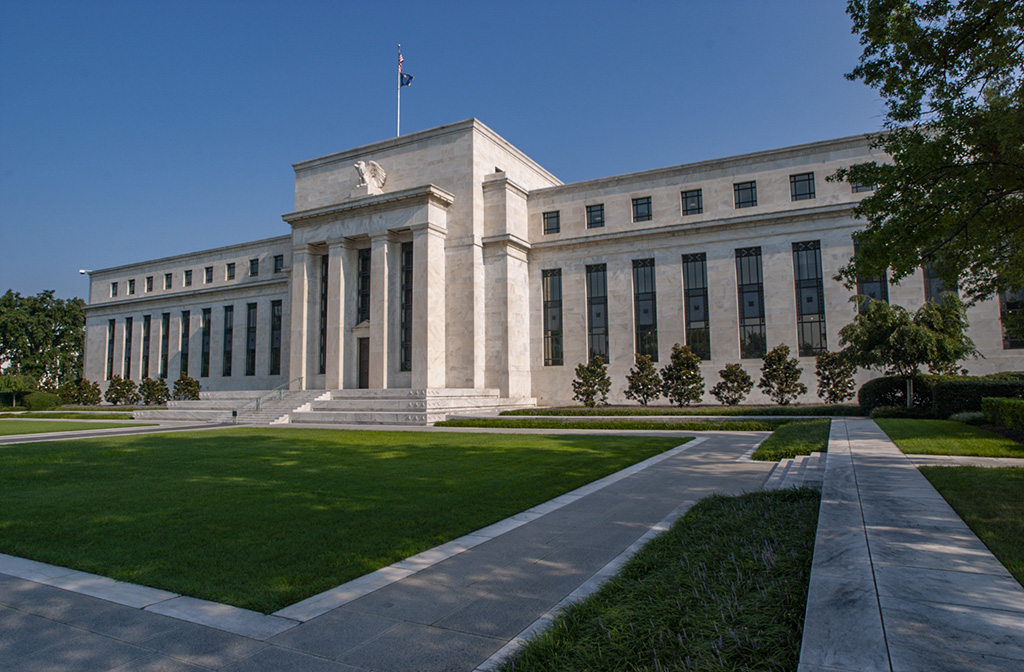
Fed independence: Supreme Court keeps Lisa Cook
Fed independence remains intact for now after the Supreme Court let Governor Lisa Cook stay, limiting Donald Trump's reach into the central bank.
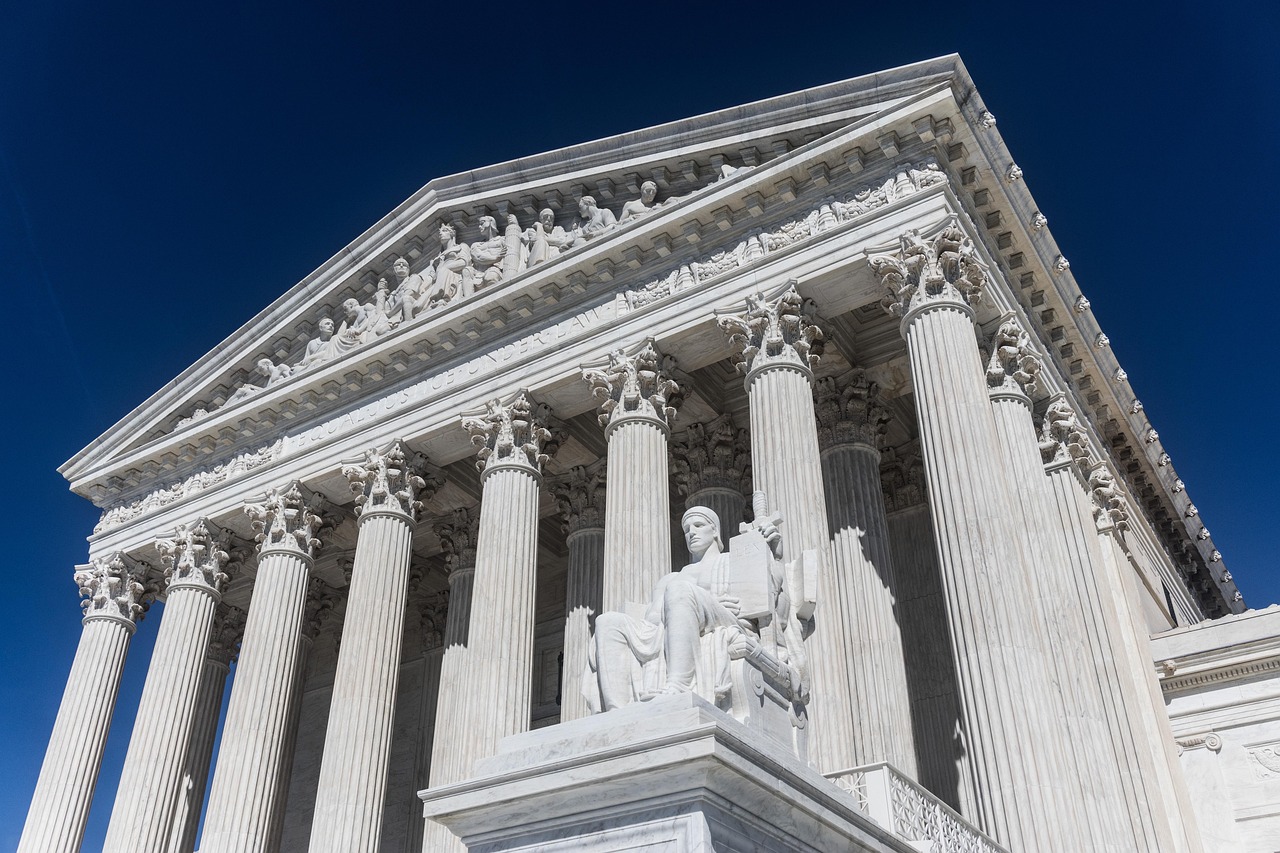
President Donald Trump’s bid to remove Federal Reserve Governor Lisa Cook was put on hold by the Supreme Court, which used a 5-4 Sunday order to keep a fight over central-bank independence away from the rate-setting table while her case proceeds.
The court’s move is narrow in legal terms. Its market signal is wider. Cook remains in her seat as lower courts review the dispute, and the Fed stays outside a separate 6-3 ruling that let Trump remove leaders of other independent agencies, The New York Times reported. The justices did not decide whether a president can ultimately dismiss a Fed governor. They did block the White House from turning Cook’s position into an immediate test of the Fed’s for-cause protection.
Chief Justice John Roberts put the point bluntly. Removing Cook before the courts finish, he wrote, “would in effect transform the Federal Reserve’s for-cause protection into at-will employment,” according to SCOTUSblog.
That is the sentence markets had to read. Fed governors help set interest rates, supervise banks and project the institution’s independence when monetary policy conflicts with a president’s preferences. If a governor could be removed at will, investors would have to price political pressure into the same policy path now shaped by inflation data, labour-market figures and public comments from Fed officials.
Around the rest of the regulatory state, the court took a more expansive view of presidential removal power. The Times said the justices gave Trump more authority over other independent agencies while treating the Fed as a distinct institution. Justice Clarence Thomas dissented in Cook’s case. SCOTUSblog’s coverage said Thomas pointed to the Fed’s 111-year history as support for a broader presidential hand; the Times said the dispute also touches a 90-year-old law limiting when presidents can fire officials without cause.
The Fed is different because it is not only a supervisor. It also sets the price of money. A fight over its board seats therefore lands differently from a personnel dispute at another agency, especially when traders are watching for any sign that policy might turn before the inflation data clearly allow it.
Why the carve-out matters
Cook’s individual vote is only part of the story. The larger question is whether a president can reshape the Fed board between policy meetings and make personnel moves a running referendum on rates. In that setting, the legal perimeter around the board becomes part of the policy backdrop, alongside speeches, dots and data prints.
Cook framed the order the same way. “I am grateful for this decision, not for my own sake, but for the sake of the American people,” she said in a statement carried by The New York Times.
Nothing in the order gives Cook new authority or changes the next rate decision by itself. It preserves the status quo while the case moves through lower courts, leaving the Fed’s internal balance in place during a politically charged stretch for US monetary policy.
Trump still won a broader expansion of presidential power the same day. The carve-out was the Fed. For a central bank whose credibility depends on the belief that policy is made inside the Eccles Building rather than the Oval Office, that temporary protection may matter more than the single board seat it saved.
Helena Brandt
Macro reporter covering the Federal Reserve, ECB, inflation prints and jobs data. Reports from Washington.