Trump allies widen fight over Federal Reserve independence
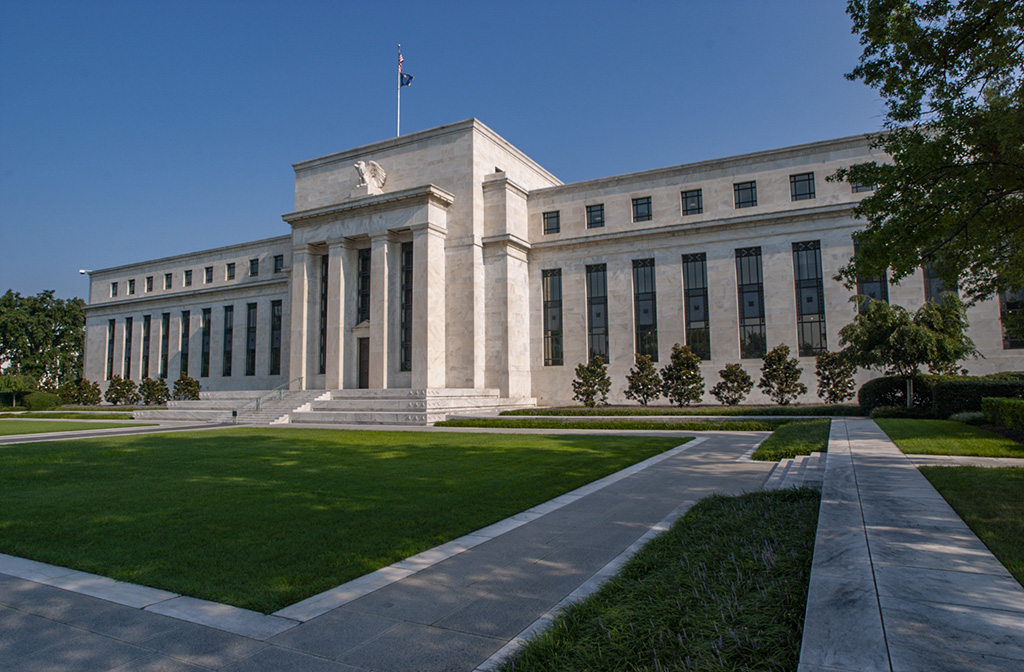
Federal Reserve independence is in focus again as Trump allies widen their push beyond Lisa Cook to Powell, board seats and the Atlanta Fed.
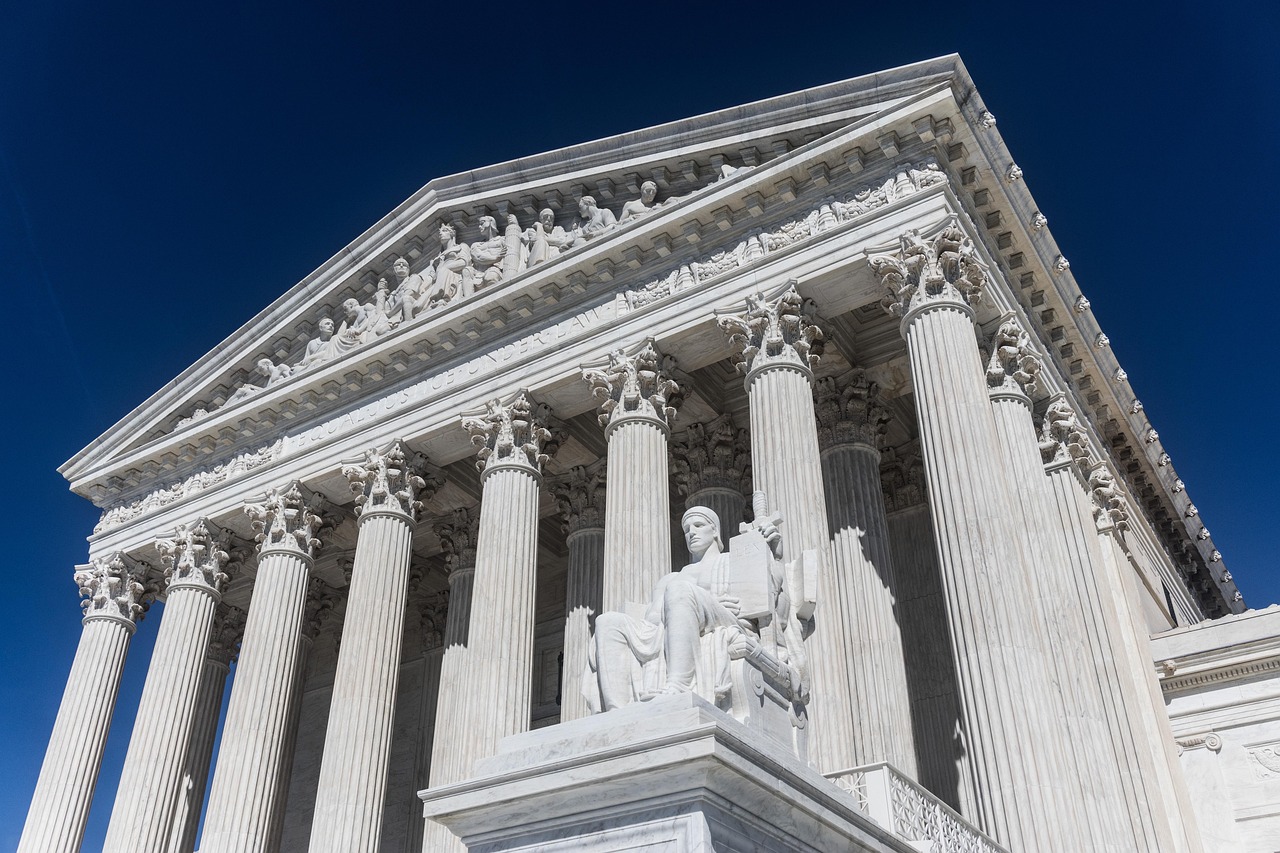
The Supreme Court’s 5-4 decision on June 29 kept Federal Reserve Governor Lisa Cook in her seat, but it did not end the fight over the US central bank. Donald Trump allies are using the ruling as a guide to the next pressure points: the Fed board, regional-bank appointments and the credibility of rate signals.
Cook was the named defendant in court. The wider campaign, according to Bloomberg and a separate Reuters analysis, is now about the machinery around her. That means board seats, regional reserve bank leadership, Jerome Powell’s remaining time as a voting policymaker and whether budget scrutiny can become another public pressure point.
For markets, the question is narrower and more immediate. One court ruling held. Does the Fed’s institutional insulation still look as solid after months of legal, personnel and budget pressure?
Trump has signaled that the Cook ruling did not settle the matter. Bloomberg reported that he said the administration would return to the question with a tighter legal process after the Supreme Court left Cook in place for now.
“We’ll start the process and we’ll do perfect process and perfect procedure.”
Donald Trump, quoted by Bloomberg
Cook framed the decision in institutional terms. In remarks reported by Reuters after the ruling, she said central-bank autonomy was tied to the Fed’s statutory job, not to a personal employment dispute.
“Federal Reserve independence is essential to fulfilling the congressional mandate of price stability and maximum employment.”
Lisa Cook, in remarks reported by Reuters
From one seat to the board
Bloomberg reported that Trump allies are now looking beyond Cook’s seat to the Board of Governors and the vacancy at the Atlanta Federal Reserve Bank, whose president is scheduled to vote on interest rates in 2027.
The Fed’s structure spreads power deliberately. Governors in Washington vote at every Federal Open Market Committee meeting. Regional bank presidents vote on a rotating basis. Replacing one official does not deliver control.
Building influence across the board, or around regional appointments, is slower. It can still shape how rate decisions are debated and signaled.
That is why vacancies can matter to markets before they matter to policy votes. Each unfilled or contested seat raises the stakes around the next appointment cycle, especially when investors are trying to read how much tolerance policymakers have for sticky inflation and softer growth. In that setting, the personnel fight becomes part of the rates story.
Powell is part of the calculation. Bloomberg reported that even after his chair term ends, his underlying term as a Fed governor runs until 2028. Outgoing chairs often leave the central bank rather than remain on the board, which is why Powell’s continued presence has become one more point of pressure in the next White House-Fed confrontation.
Appointments are not the only channel. Bloomberg said the Justice Department scrutiny of the Fed’s roughly $2.5bn headquarters renovation gives critics a budget line to attack while they pursue court and personnel routes.
Why markets care
The timing is awkward for investors. Bloomberg reported that about half of Fed officials now think the central bank may need to raise rates this year, leaving markets to parse a policy path that is already more contested than it looked earlier in 2026. A White House campaign aimed at the Fed’s governance does not change the next rate decision by itself. It can change how durable that path looks.
Reuters argued in its June 30 analysis that the Cook ruling protected the Fed in the near term without removing the broader legal and political risks around independent agencies. The distinction matters for rates markets. The question is no longer only whether a president can remove a governor immediately. It is whether repeated pressure on vacancies, budgets and governance can make future policy choices look more political even if the legal barrier to outright dismissal remains high.
The Fed’s answer is likely to stay procedural: mandate, process, independence. Investors have a different watch list. The next flashpoint could be a board nomination, the Atlanta Fed appointment or another attempt to narrow Powell’s room to operate before 2028. The Cook case blocked one route into the central bank. It also showed where the next pressure points sit.
Helena Brandt
Macro reporter covering the Federal Reserve, ECB, inflation prints and jobs data. Reports from Washington.