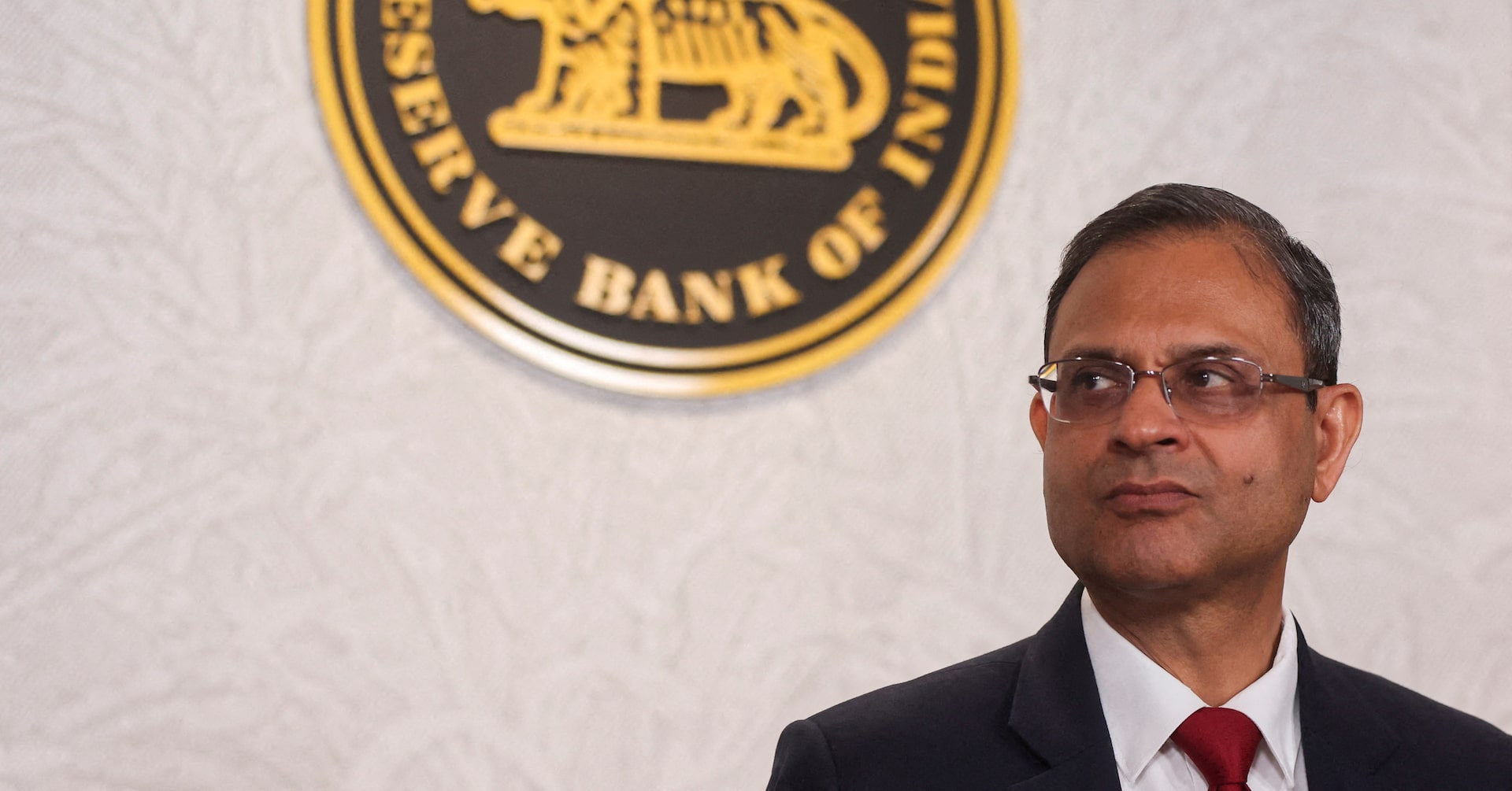
India crypto ban warning: RBI revives prohibition case
India crypto ban warnings hardened as the RBI backed a prohibition-leaning stance and tax officials said offshore trading obscures gains.

India’s central bank has again pressed for a crypto policy that leans toward prohibition, while tax officials warned that offshore platforms and private wallets make gains difficult to trace. The stance by the Reserve Bank of India was described in documents reviewed by Reuters.
Documents cited by Reuters point to a harder turn in one of the world’s largest retail crypto markets. Indian officials said in February that they were reviewing the country’s stance because other jurisdictions were changing their rules, Reuters reported then. July’s papers do not announce a new law or an imminent ban. They show the RBI and the tax department still treating digital assets mainly as a problem of systemic risk, capital leakage and enforcement.
According to Reuters, the RBI told a government panel it remained in favour of a position “leaning towards prohibition”. The phrase lands after months of speculation that India might move closer to a rules-based framework for exchanges and custody. In the documents Reuters reviewed, the central bank stuck with its older argument: tokens can cross borders faster than domestic controls can follow, and a large enough market could spill into the wider financial system.
“leaning towards prohibition”
Reserve Bank of India, in documents reviewed by Reuters
Tax gap at the centre
Tax officials reached the same debate from another direction. Reuters said they estimated India had about 39 million crypto traders and roughly $2.1 billion in digital-asset holdings at end-May. India taxes gains from cryptocurrencies at 30 per cent. Offshore exchanges and privately held wallets, officials said, made it difficult to see whether gains were being declared and paid in full.
Taken together, the RBI and the tax department are making different versions of a control argument. For the central bank, the risk is a crypto market that grows large enough to matter for banks and capital flows. Revenue officials are focused on visibility: where assets are held, how profits are booked and whether domestic authorities can tie trading activity to tax returns.
One mismatch helps explain the sharper tone. Reuters said only 645,000 individuals made cryptocurrency transactions in the year ended March 2023, well below the tax department’s estimate of the market’s overall reach. That gap does not prove evasion by itself. It does help explain why tax officials are treating crypto less as a niche trading product and more as a compliance problem.
Earlier internal debates point in the same direction. In a September 2025 Reuters report on another government document, officials said crypto assets “may cause the sector to become systemic”, even as that paper argued that “the present tax and other laws act as a deterrent”. July’s papers suggest deterrence has not displaced the RBI’s preference for prohibition. Tax enforcement worries may be strengthening it.
Reuters’ September story cited $4.5 billion in Indian crypto investments, far above the $2.1 billion end-May holdings estimate in the latest documents. Timing or methodology may account for the difference, rather than a clean shift in market size. Either way, the figures show why crypto is too large for Indian regulators to ignore, even if they remain unwilling to endorse a full domestic framework.
Harder line than February’s review
February now looks like the softer signal. A senior official said then that the government was reviewing its crypto position because of global changes, suggesting policymakers were watching licensing, disclosure and custody regimes abroad. The documents reviewed by Reuters do not rule out a framework, but they show India’s most powerful domestic institutions still arguing against wider adoption from first principles.
For exchanges and market participants, India’s policy drift still points toward tighter control rather than faster integration. A ban would require political backing and legislation if ministers chose that route. With the central bank reviving prohibition language and the tax department focused on traceability, the regulatory fight is shifting back to whether crypto can be supervised at scale, not how quickly India can normalise it.
Tomás Iglesias
Financial regulation and legal affairs. SEC, CFTC, FCA, market-structure and enforcement. Reports from Washington.