Sungrow plunges 20% on report of possible US ban
Sungrow plunged as much as 20% after Reuters reported the US was drafting an inverter import ban, putting its overseas profit at risk.
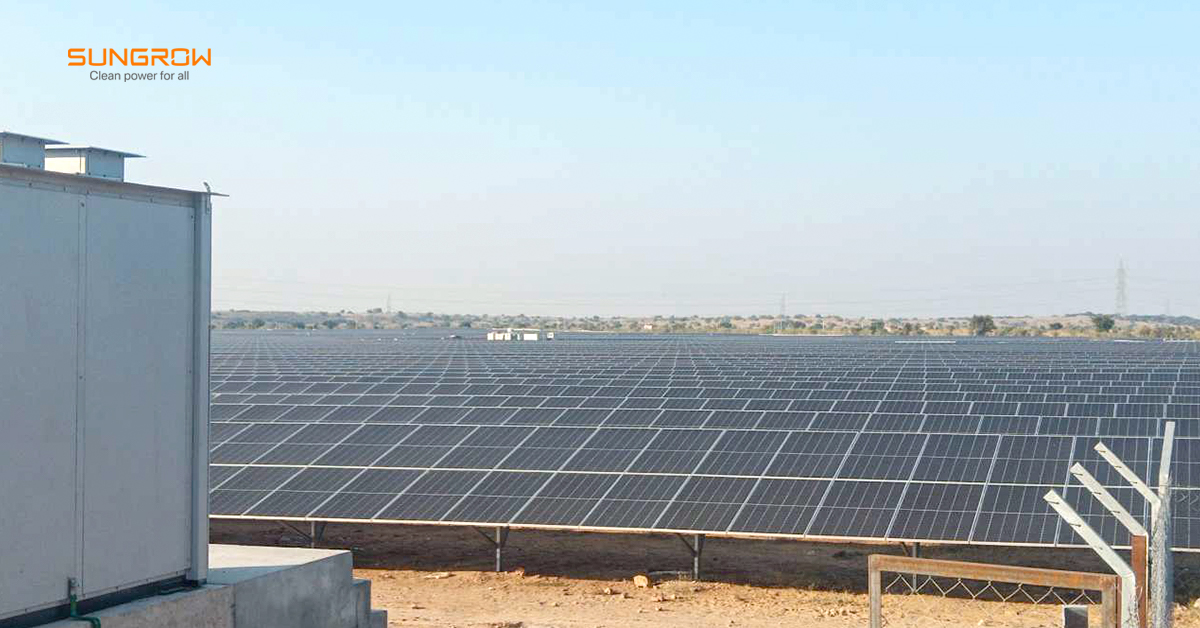
Sungrow Power Supply Co. (300274:CH) sold off as much as 20 per cent in Shenzhen on Wednesday after Reuters reported that US officials were drafting a ban on Chinese energy inverters over national-security concerns. The stock reaction put a large Chinese solar exporter back in the middle of Washington’s clean-tech screening and gave investors a direct policy-risk number to trade.
The exposure is meaningful. Bloomberg reported that Sungrow generated 60 per cent of its revenue outside China last year and shipped 143 gigawatts of inverters globally in 2025. Those devices turn power from solar projects into electricity that can move onto the grid. If the US limits imports, the issue reaches project design, supplier lists and financing assumptions, not just the customs line.
Reuters said the US is working on a ban targeting foreign, mainly Chinese, inverter imports, citing people familiar with the matter. That made the report read less like a tariff fight and more like a security review. Tariffs can be bargained down or worked around. A national-security restriction is usually harder to reverse, particularly for a Chinese industrial group with visible US-linked revenue.
Sungrow did not offer a detailed rebuttal. It issued a short holding statement and left investors to price the exposure themselves.
“Sungrow remains focused on ongoing developments, and at this stage has no further comment.”
Sungrow, via Bloomberg
Why the US exposure matters
Citigroup’s estimate gave the selloff its earnings frame. Bloomberg, citing the bank, said 30 per cent to 40 per cent of Sungrow’s 2025 inverter gross profit could be tied to the US. That is a large enough slice to move the stock before any formal rule is published. It also shifts the debate from whether US orders slow to whether customers delay projects, demand alternative sourcing or push down margins while the regulatory picture is unsettled.
Supply-chain risk adds another layer. Citigroup estimated that about 90 per cent of utility-scale inverter supply is foreign and primarily Chinese, according to Bloomberg. That suggests a ban could disrupt procurement for US solar developers if domestic or non-Chinese suppliers cannot fill the gap quickly. The bottleneck, if the estimate is right, would be measured in equipment availability as well as lost sales for one manufacturer. Sungrow was sold first because it gives public-market investors the cleanest read-through from the report.
The pressure fits a broader shift in Washington’s use of national-security tools. Equipment that once looked mainly commercial is being treated as strategic when it touches energy, communications or data. For investors, that matters because security channels leave less room for the usual tariff playbook of negotiation, grace periods and partial workarounds. That is why the stock moved before regulators published a final text.
For now, the key word is “drafting.” Investors will be watching for a formal proposal, any comment from the Federal Communications Commission, possible carve-outs for projects already under way and whether other Chinese inverter makers face similar scrutiny. Sungrow’s 20 per cent slide shows how little warning markets may get when clean-energy supply chains become a security-policy target.
Avery Lin
Markets editor covering US equities, single-name stocks and quarterly earnings. Reports from New York.