Singapore insider trading suspect denied bail in US case
Singapore insider trading suspect Zhi Ge was denied bail as he fights US extradition over alleged trades from 2017 to 2024.
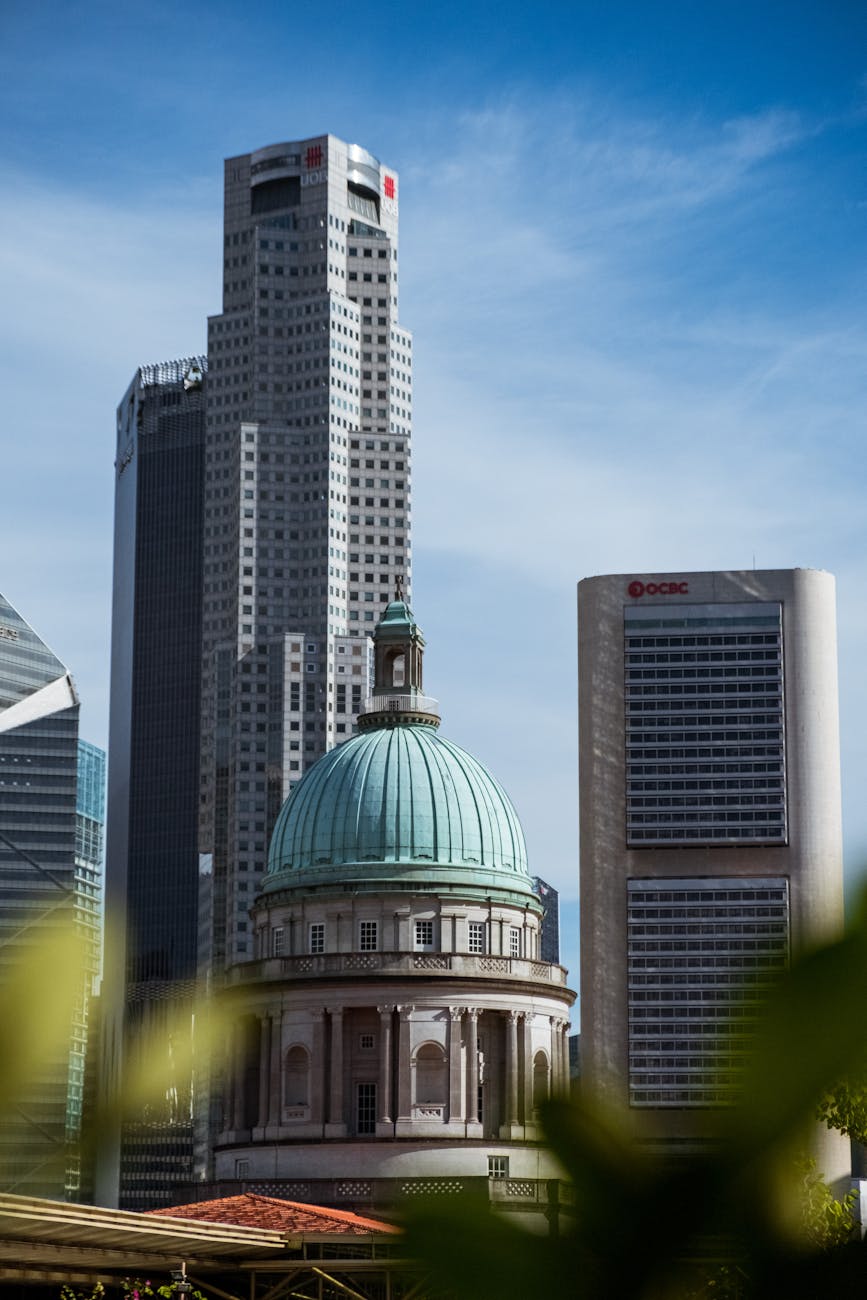
A Singapore court refused bail to Zhi Ge, the Singaporean accused by US authorities of leading an international insider-trading ring, leaving him in custody while he fights extradition to the US.
Bloomberg’s report on the hearing put the ruling inside a wider market-abuse case involving Singapore courts, US regulators and claims that traders used confidential deal information. Ge has not been convicted. The allegations still have to be tested in court.
Justice Tay Yong Kwang denied the bail application in the Singapore High Court, according to reports from the proceeding. Channel NewsAsia reported that Ge was arrested in Singapore in July 2024 and that the US filed its formal extradition request the following month.
For markets lawyers and compliance desks, the case lands at a difficult junction: securities enforcement, overseas accounts and court cooperation between jurisdictions. US market-abuse cases often start with trading around merger announcements or other corporate news. They become harder to prove when defendants, accounts or alleged information flows sit outside the US.
Bail is procedural and does not decide the merits. Custody can still shape the pace of an extradition fight, including how a defendant prepares the case and how quickly hearings proceed. It also keeps the matter in public view while courts test the requesting country’s evidence.
What US regulators allege
The Securities and Exchange Commission said in a March 4 litigation release that it charged six foreign traders in an alleged international insider-trading scheme. The SEC said the conduct ran from 2017 to 2024, a seven-year span that would make the case more than a single-event trading probe.
That timeline matters. A long-running allegation requires investigators to connect trades, accounts and information channels over several market cycles. Each transaction can become its own factual dispute.
The SEC release is the clearest public account of the US allegations cited in the extradition fight. It describes a case built around non-public information and trading before market-moving corporate events. That filing, by itself, does not settle the extradition question before Singapore’s courts.
For investors, the distinction is practical. The SEC is a civil securities regulator. Extradition turns on treaty, criminal-law and procedural questions in the requested country. For now, the signal is that US authorities are pressing a market-abuse case they say reached beyond their domestic market.
Why the venue matters
Singapore is a major wealth-management and trading hub, and its courts become part of the enforcement map when US cases involve defendants or assets in the city-state. A bail denial there can affect the rhythm of an extradition fight before a court reaches the larger question of surrender to the US.
Cross-border securities cases rely on cooperation that is slower and more formal than a domestic subpoena. Regulators may need bank records, brokerage data, travel records or testimony held in another jurisdiction. Courts then have to separate evidence needed for extradition from arguments that belong in the trial court, if the defendant is eventually surrendered.
Compliance teams are likely to read the case as another reminder that trading around US-listed securities can draw US scrutiny even when the alleged actors are overseas. An offshore account can still matter if the issuer, listing venue or market impact touches US securities law.
Ge’s immediate position is narrower. He remains in custody while his lawyers contest the US request. The next step is the extradition process itself, not a determination of guilt.
Until Singapore’s courts decide whether Ge should be sent to the US, the case remains a measure of enforcement reach as much as a securities-law prosecution. The bail decision keeps that question alive and keeps a rare Singapore-linked insider-trading case in view for global market regulators.
Tomás Iglesias
Financial regulation and legal affairs. SEC, CFTC, FCA, market-structure and enforcement. Reports from Washington.