Oil market 'tank bottoms' in Asia signal Europe is next
Oil market shortages are spreading from Asia to Europe as inventories thin and jet-fuel users feel the squeeze before futures do.
Oil prices eased on Monday as traders bet that diplomacy with Iran could yet cap the latest supply shock. Yet Jeff Currie told CNBC the physical market is already much tighter than that price action suggests, with Asia at “tank bottoms” and Europe roughly a month behind. On the screen, that reads as relief. In tanks and cargoes, it does not.
At heart, Currie’s warning turns the story from another crude-price swing into an inventory problem. In his telling, Asia is already operating at the minimum level needed to keep molecules moving through refineries, ports and trading networks. Europe is still masking the shortage with U.S. exports and other temporary buffers, but that cushion is thinning. That is why Carlyle’s energy strategist told CNBC said July could be the point at which the U.S. feels strain as well. For a market trading every rumour out of Tehran, the mismatch between the screen and the logistics chain is becoming harder to ignore.
For airlines, shippers and refiners, the market already looks less forgiving. Reuters reported that a 745,000-barrel jet fuel cargo loaded in South Korea for Europe after the Iran war began, even though the Asia-to-Northwest Europe spread had recently been only $20 to $30 a ton, below normal shipping economics. Europe imported about 1.5 million barrels a month from Northeast Asia last year on average, so one cargo does not resolve the deficit. Instead, it shows where the squeeze is surfacing first: not in a neat flat-price spike, but in products moving on routes that usually do not make sense unless local inventories are already thin.
Why futures are missing it
Price action alone is a poor guide to supply. The Financial Times argued this month that Gulf crises routinely expose how badly oil markets misjudge duration risk. A ceasefire headline or a fresh round of talks can pull crude lower because traders reprice the odds of a shipping disruption. Those headlines do not refill storage tanks in Singapore, Rotterdam or the U.S. Gulf Coast. They only change the paper estimate of how long the shortage may last.
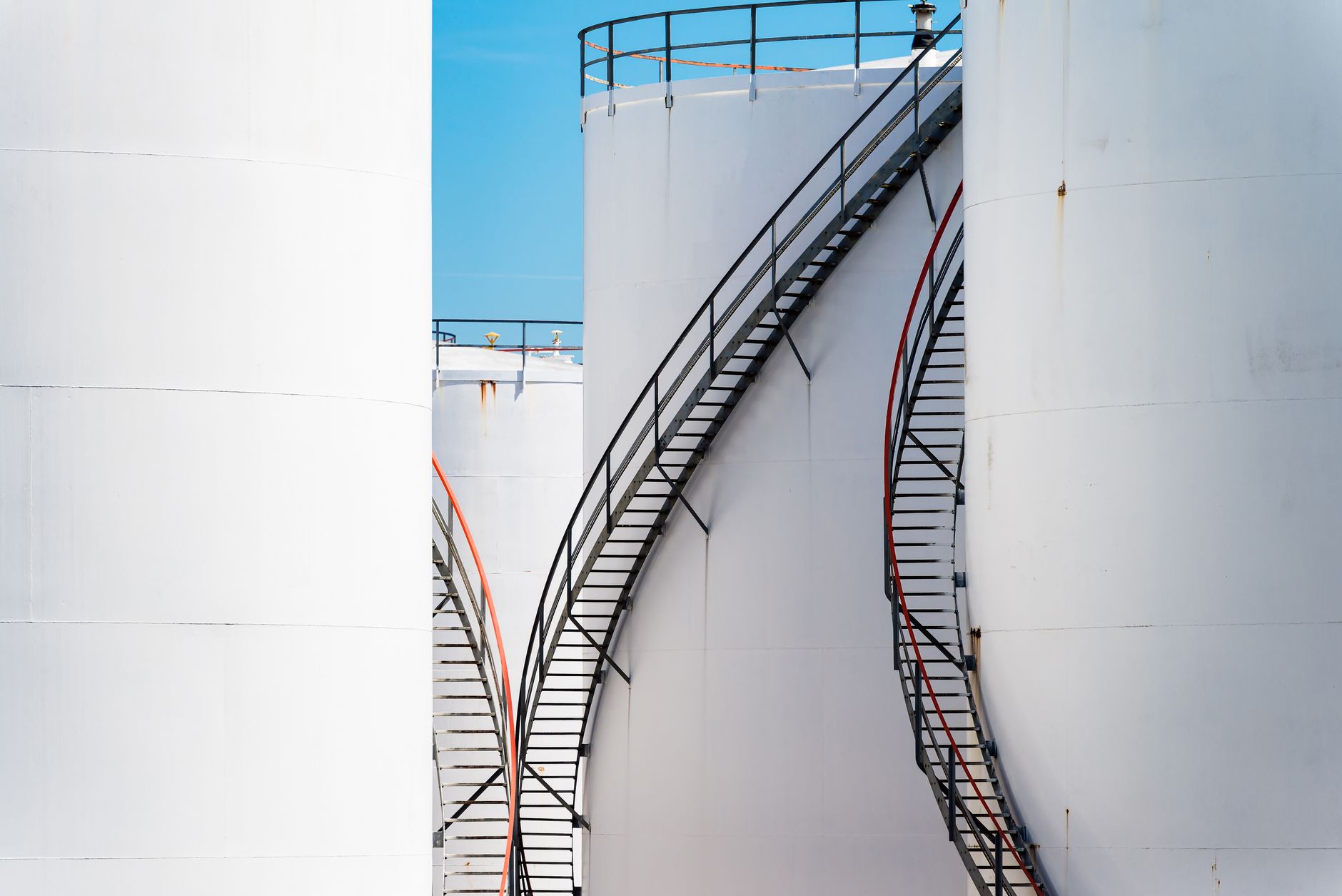
That is why Currie’s case lands. As Brookings wrote, the real issue in a supply shock is timing: how long governments and companies can lean on stored barrels before the loss moves from a tradable risk into a distribution problem. Once inventories are near minimum operating levels, every additional draw matters more. Barrels stop being optional. They become operational.
“That doesn’t solve any of the problems. The only way you solve this problem is to increase the availability of molecules.”
Jeff Currie, via CNBC
Peace talks may change the forward curve. They do not instantly reopen every route, restore every delayed cargo or rebuild commercial stockpiles drawn down over weeks of stress. Bloomberg reported earlier this month that the war was draining the world’s oil buffer at an unprecedented pace. In that setting, Europe is not a safer market than Asia. It is simply a later one.
At first glance, Europe looks healthier than Asia. Commercial buyers have leaned on U.S. exports and the after-effects of prior stock releases, which is why outright panic has not yet hit European benchmarks. Still, those are bridge solutions. They help an importing region cross a short gap; they do not create new supply. Once Asia can no longer spare prompt cargoes cheaply, Europe stops being a separate market and becomes the next claimant on the same thin pool of molecules.
For traders, product flows, refinery margins and prompt cargo availability now matter at least as much as headline crude moves. A calm Brent screen can coexist with a stressed physical system if the market believes the disruption will prove short. Markets can debate the headline all day. Inventories keep falling anyway.
Where the squeeze shows first
Refined products are a better early warning system than crude. The sharper warning is in jet fuel and diesel, because those markets feel local scarcity earlier than benchmark crude does. Reuters’ reporting on Asian cargoes moving west matters more than it first appears. If Europe is reaching into Asia for prompt supply even when the arbitrage barely covers freight, the market is signalling that replacement barrels are already costly where end users actually buy them.

“The arbitrage picture for European jet supply remains tight. All Asian loading routes are closed into Europe in the prompt and largely so into the medium term.”
James Noel-Beswick, Sparta Commodities, via Reuters
Airlines already feel the strain. They do not consume a futures curve; they consume jet fuel delivered on time at an airport or a hub refinery. easyJet said last week that the war had added an extra £25m to its fuel bill in March, even though it was 72 per cent hedged for the next six months. Hedging can smooth a price spike, but it cannot create physical availability if the tightness broadens from crude into products. That also explains how airlines can feel a shortage before crude benchmarks do. They buy a specific product delivered on a specific route, while crude futures still reflect a broad probability distribution around geopolitics.
Even without an outright shortage, Europe’s margin is thin. The continent can still buy its way to supply, especially while U.S. barrels and product exports continue to move. Buying time, though, is not the same as rebuilding cover. Each prompt cargo pulled from farther away is another sign that local slack is running down. Europe is still functioning. It is just doing so on a thinner margin than the futures market implies.
Why July matters
Currie’s July warning matters for more than timing. It changes the political economy of the standoff with Iran. The tighter the physical market becomes, the more leverage sits with the side that can credibly threaten to prolong scarcity. That does not mean Tehran controls the whole market. It does mean falling inventories raise the cost of waiting for everyone else: consumers, refiners, airlines and governments alike. In a loose market, diplomacy can drag on. In a tight one, every extra week carries a more visible economic bill.
That is where analyst and insider views meet. The FT’s analysis suggests traders have repeatedly underestimated how long Gulf disruptions can matter. Currie is making a similar point from the physical side. Futures may be pricing the next headline. Inventory math is pricing the next month. When those two clocks diverge, the physical market usually wins.
“Europe, give it about another month, and look for July being a problem in the U.S.”
Jeff Currie, via CNBC
A July crisis is not inevitable. A faster diplomatic breakthrough, more exports, emergency stock releases or weaker demand could still ease the pressure. Even so, Currie’s warning identifies the right variable. The question is no longer only whether oil prices jump on geopolitical news. It is whether the system still has enough working inventory to absorb another month of stress without turning a volatile headline into a shortage that airlines, refiners and eventually motorists can feel.
For scramnews readers, the distinction is simple. A market can look calmer on the screen and more dangerous underneath at the same time. If Asia is already at tank bottoms, Europe is borrowing from a buffer it cannot rebuild quickly, and the U.S. is next in line, then the Iran story is no longer just about crude’s next move. It is about how long the world’s fuel system can keep pretending that paper relief and physical supply are the same thing.
Reza Najjar
Commodities desk covering oil, natural gas, gold and base metals. Reports from London.