Canada oil pipeline to Asia redraws crude export map
Canada oil pipeline to Asia would carry 1 million barrels a day, betting Pacific access can cut reliance on the U.S. crude market.
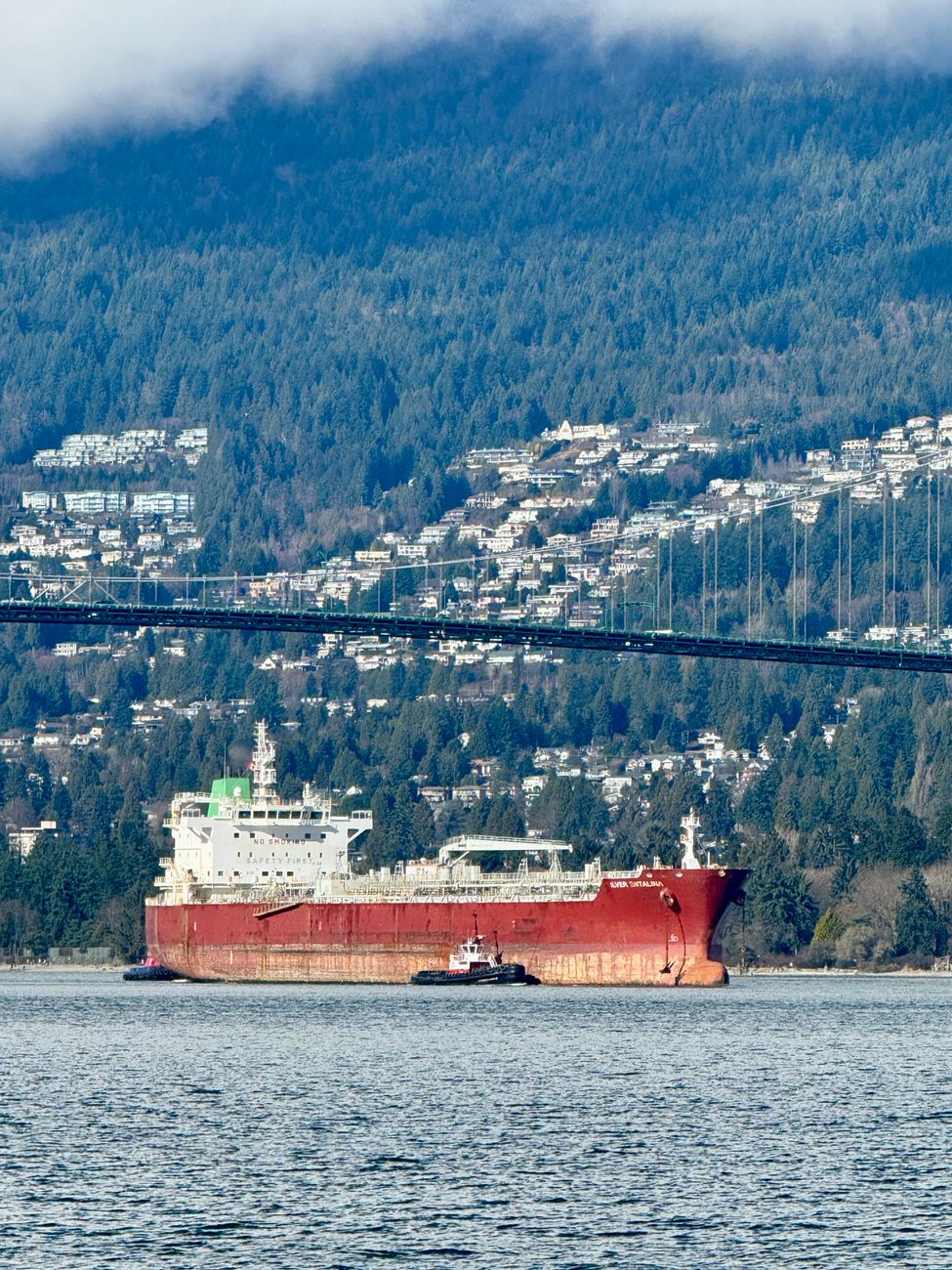
Canada on Thursday unveiled plans for a 1 million-barrel-a-day west coast oil pipeline, placing state-owned Trans Mountain Corp. at the centre of a push to send more Alberta crude to Asia and reduce the country’s reliance on U.S. buyers. Prime Minister Mark Carney said the government-owned company would build the project, giving producers a possible Pacific outlet for barrels often priced through North American bottlenecks.
For Canadian producers, the route is the story. About 90 per cent of Canada’s crude exports currently go to the United States, Reuters reported, leaving the industry tied to one dominant buyer while Alberta discusses higher imports with Japan. A direct line to the Pacific coast would strengthen Ottawa’s argument that Canadian oil can reach Asian refiners without first moving through the U.S. system.
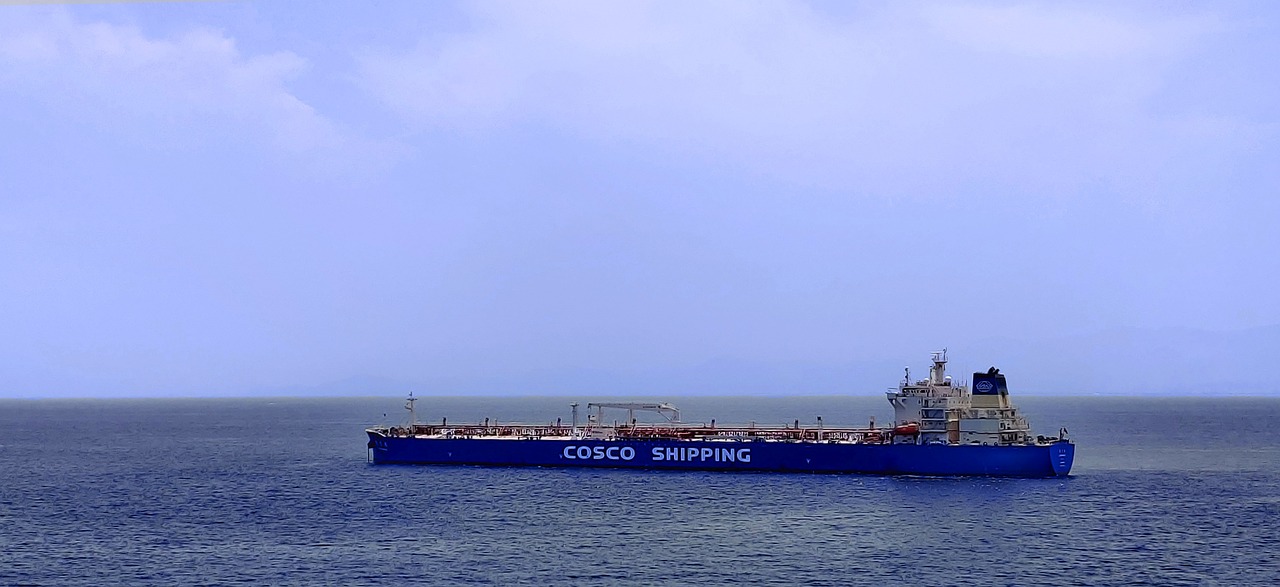
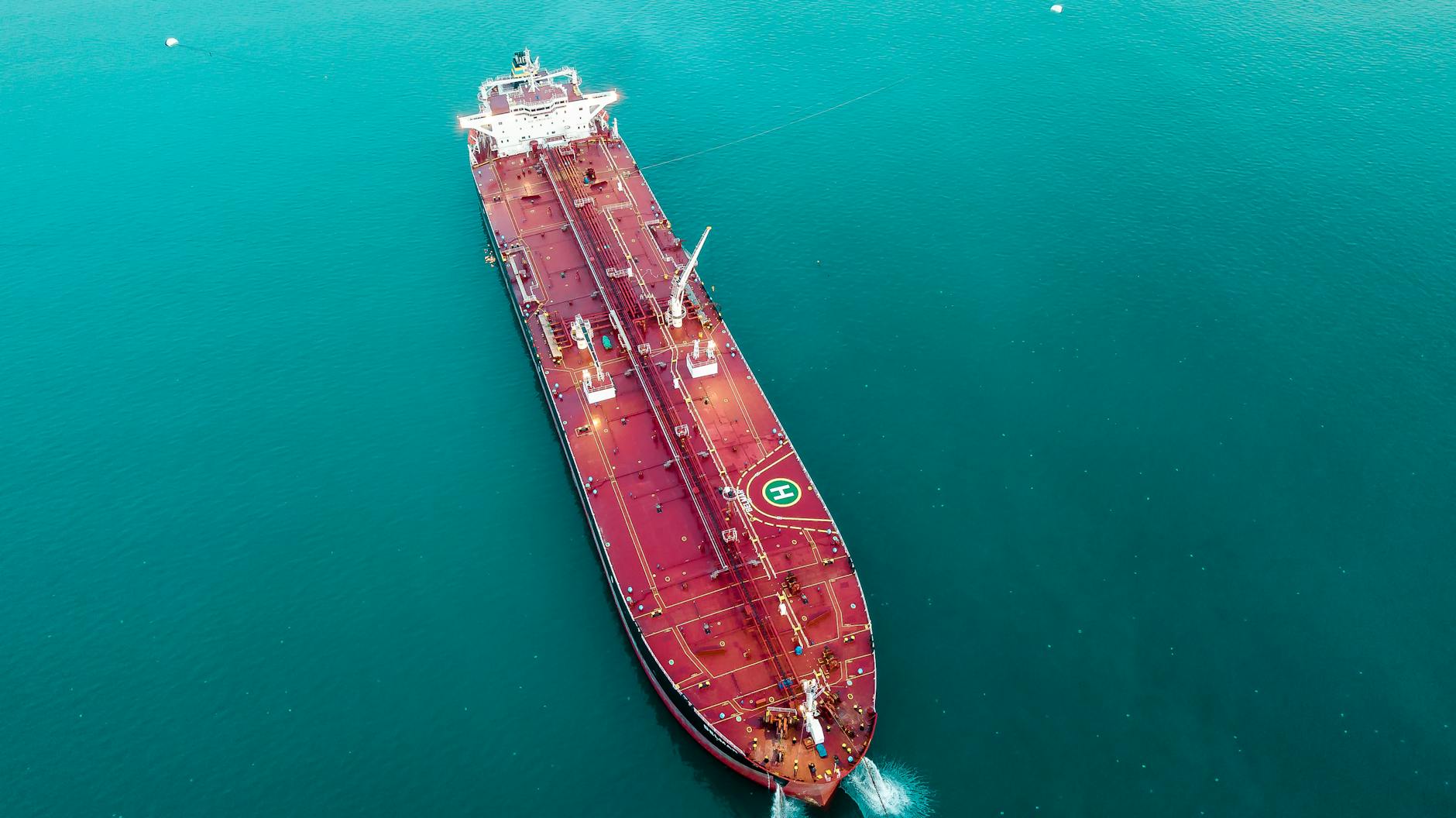
The Asia leg depends on shipping scale. Bloomberg reported the line would connect Alberta to a deepwater terminal able to handle very large crude carriers, a detail that matters when buyers in India and China pay more than U.S. refiners for heavy barrels. The pipeline and export-terminal plan rests on a market bet: broader routing can lift netbacks for Canadian crude, not merely add another piece of domestic infrastructure.
Carney framed the decision as execution, not another study. He told reporters via Reuters that Ottawa and Alberta had moved past the argument over whether another west coast line was needed.
“We’ve agreed the time for action is now.”
Mark Carney, via Reuters
Ottawa is presenting the line as a trade-and-pricing tool, not a distant diversification option. If Canada can move a larger share of barrels west, Alberta producers would gain leverage with U.S. refiners and a more direct route into Pacific demand. That matters now because governments are putting fresh value on supply security, not just on the cheapest barrel.
Why the economics matter
Canadian producers already have one recent example of what a Pacific outlet can do. The Trans Mountain expansion widened access to the west coast. Reuters reported in March that Canadian crude re-exports from the U.S. Gulf Coast were set to rise as pipeline additions opened more paths to overseas buyers. The new proposal goes further, giving Alberta a purpose-built route to Asia, where demand could broaden the price set for Canadian barrels.
Cost is the harder side of the story. Alberta estimates cited by Bloomberg put construction at C$35.2 billion to C$43.7 billion, a range that revives memories of overruns on the existing Trans Mountain expansion. Reuters noted Ottawa bought Trans Mountain for C$4.5 billion in 2018 and that the expansion bill later reached C$34 billion. For commodity traders, that history makes execution the main risk attached to Thursday’s announcement.
A 1 million-barrel-a-day line would be large enough to change Canada’s export mix. It would also raise the hurdle on financing, construction discipline and coastal logistics. The existing Trans Mountain expansion showed how quickly a politically sensitive oil project can test its investment case once cabinet backing gives way to field work. Investors will watch schedule credibility as closely as headline capacity.
Political resistance looks more contained than in earlier pipeline fights, though it has not disappeared. Bloomberg reported British Columbia Premier David Eby said his government did not have the authority to stop a new line and would not go to court to fight it. Pathways Alliance chief executive Kendall Dilling told the outlet the emerging deal reflected compromise rather than a full victory for industry. The project has already been submitted for major-project review, leaving permitting and cost-sharing as the next tests of Canada’s ability to move quickly enough to catch today’s dislocated crude trade.
Ottawa is trying to turn geography into pricing power. A pipeline capable of moving 1 million barrels a day to the Pacific would not end Canada’s dependence on the U.S. overnight. It would give Alberta producers a more credible claim on Asian demand as governments and traders reassess energy security and shipping routes. Carney still has to keep the politics aligned and the construction bill under control; without both, the clearest attempt yet to redraw Canada’s crude map becomes another expensive bottleneck.
Reza Najjar
Commodities desk covering oil, natural gas, gold and base metals. Reports from London.