Bank of Israel cuts rates to 3.75% on shekel surge, Iran hopes
The Bank of Israel lowered its base rate by 25 basis points to 3.75% as the shekel hit a 33-year high and ceasefire talks with Iran progressed, marking the first easing since the conflict began in February.
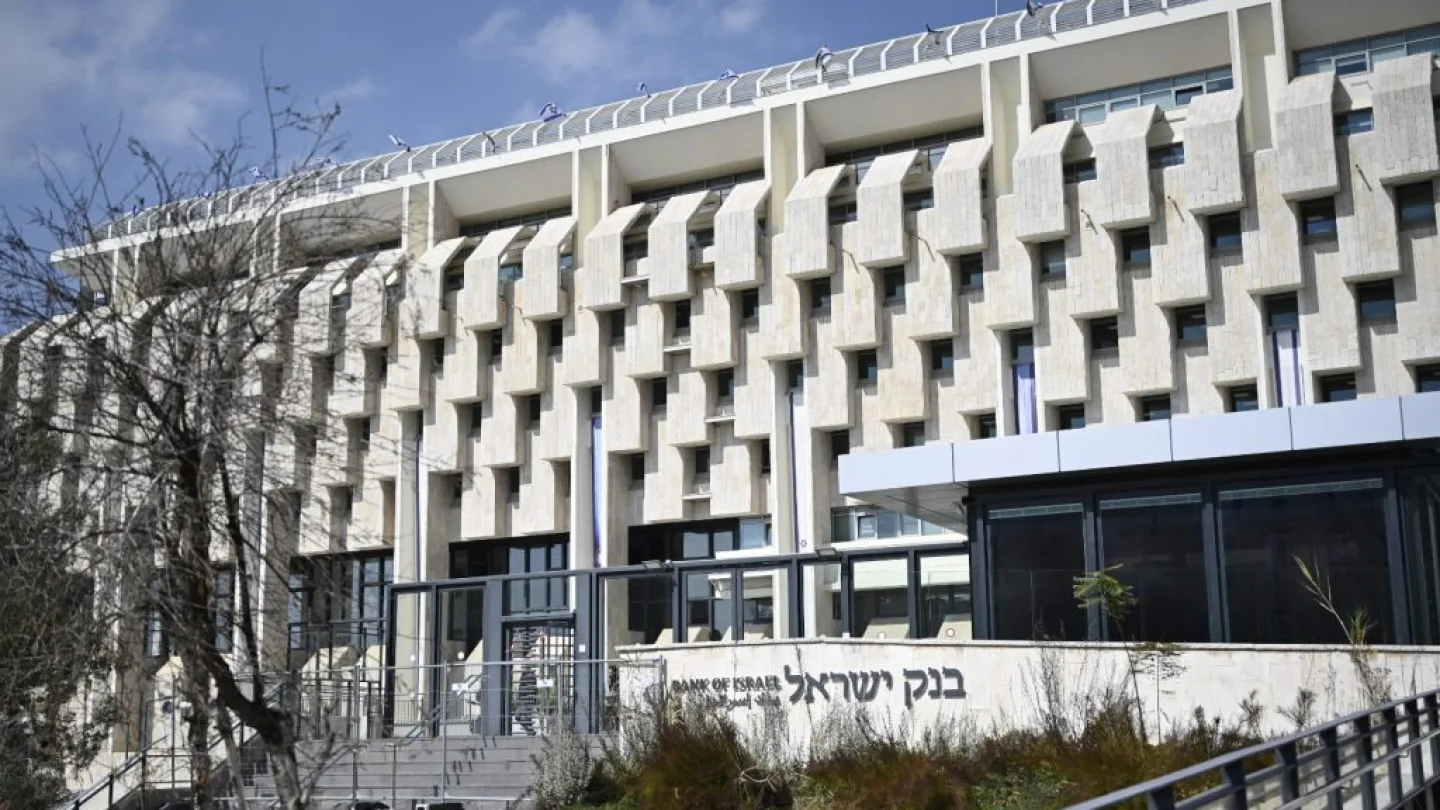
The Bank of Israel cut its base rate by 25 basis points to 3.75% on May 25, the first easing since the Iran conflict began in late February. A fragile ceasefire and the strongest shekel in three decades gave policymakers enough cover to loosen, unresolved geopolitical risk or not.
For an economy that spent the winter absorbing the shock of Operation Roaring Lion, the cut marks a clear turn. The war tore through supply chains, sent defence spending soaring, and drove the shekel to multi-year lows in its first weeks. The April ceasefire unwound most of that. Capital came back, the currency rallied, and inflation started to cool. The shekel has gained 8 per cent since the March policy meeting alone. Governor Amir Yaron’s monetary committee concluded the disinflationary force of a stronger currency outweighed whatever price pressures from the conflict still lingered. Two months ago, with Israeli jets hitting Iranian nuclear sites and the shekel under daily assault, that call would have been unthinkable.
Annual inflation printed at 1.9 per cent in April, down from 3.2 per cent at the start of the year. The 12-month average inflation forecast has fallen to 1.8 per cent from 2.3 per cent, per the central bank’s survey of professional forecasters. Both numbers sit inside the 1 to 3 per cent target band. The shekel closed at 2.9 to the dollar, its strongest since 1993, as Washington and Tehran edged toward a deal. For an economy that imports most of its energy and consumer goods, a strong shekel does some of the central bank’s work for it — it presses down on prices directly.
From the central bank’s perspective, the stabilization of inflation around the midpoint of its target range combined with the sharp appreciation of the shekel, supports a slight downward adjustment to rates.
— Rafael Gozlan, chief economist, IBI Investment House
Shmuel Katzavian, strategist at Israel Discount Bank, argued that “even by Israel’s historical standards, current interest rates are excessively high,” pointing out that inflation sits at its historical median while GDP growth is weak by the same yardstick. Jonathan Katz, macroeconomist at Leader Capital Markets, said the rate path now depends on whether the ceasefire survives the summer. A second 25-basis-point cut in July is “plausible but not locked in.” The Jerusalem decision lands as global energy prices fall. Brent crude has shed roughly 17 per cent this month, slipping below $92 a barrel, as traders price in a US-Iran breakthrough that would reduce Strait of Hormuz shipping risk. Semafor reported that analysts cautioned “huge challenges remained for the global energy market,” but even the directional move has lightened the imported-inflation load on Israel.
The central bank itself offered less. Its accompanying statement, flagged by the Bank of Israel, said “significant geopolitical uncertainty” persists and that Operation Roaring Lion “had an impact on real economic activity,” while noting recent data show a recovery. It gave no forward guidance on rates.
At 3.75 per cent, the rate is still restrictive for an economy with inflation at target and GDP growth below trend. Bank Hapoalim economists put the neutral rate closer to 3 per cent, which would mean another 75 basis points of cuts over the next 12 months — provided the diplomatic track holds. If the ceasefire breaks and energy prices spike, the central bank will have cut into a fresh inflation shock. That was exactly the scenario it warned of in February, when it held at 4 per cent citing war uncertainty. For now, markets are betting on the diplomats.
Helena Brandt
Macro reporter covering the Federal Reserve, ECB, inflation prints and jobs data. Reports from Washington.