India gas power squeeze deepens as demand hits 270.8 GW
India's gas-fired output has dropped to a six-year low as record summer demand collides with Iran-war LNG disruption, pushing utilities back toward coal.
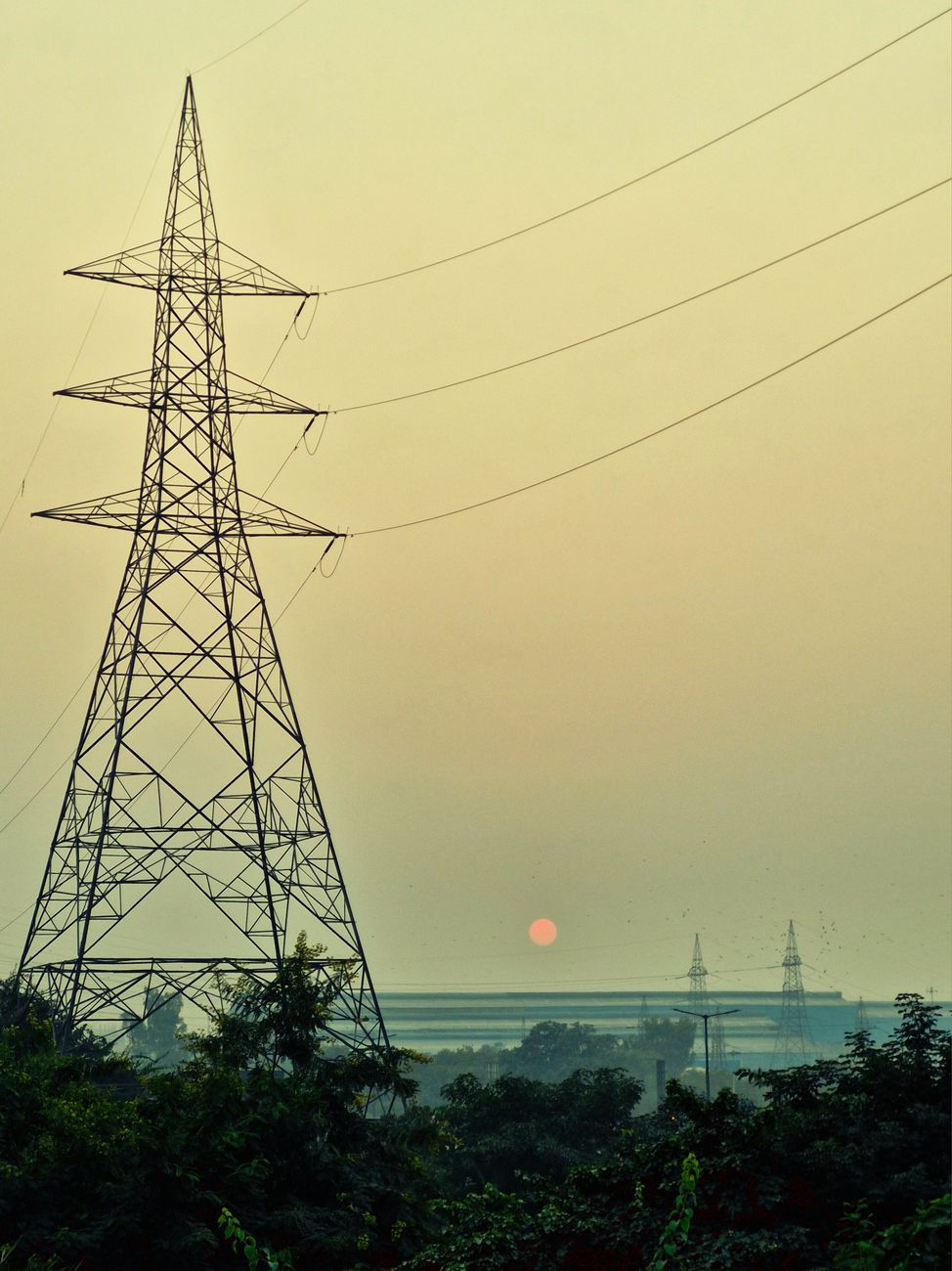
India’s gas-fired power generation has fallen to its lowest level in at least six years just as electricity demand hit a record 270.8 GW last week, Bloomberg reported on Sunday. Utilities are leaning harder on coal after the Iran war disrupted fuel shipments into one of Asia’s biggest energy markets.
Those gas plants usually act as fast-response backup when summer temperatures strain the grid. India is getting less from that fleet because imported LNG cargoes are harder to secure and more expensive, leaving operators with less room to meet rising air-conditioning load.
Lower gas use is changing the dispatch mix. When LNG tightens, coal becomes the balancing fuel even if policymakers would prefer cleaner peak-hour generation. Bloomberg said gas-fired output had fallen to a six-year low, indicating that the war’s disruption has moved beyond crude prices and tanker routes into day-to-day power supply. It also strips away part of the fast-ramping cushion the grid would normally use during a severe summer spell.
The LNG squeeze
Across Asia, LNG conditions have worsened since the conflict began. Reuters reported earlier this month that Asian spot LNG prices have risen 62 per cent since the Iran war began, pushing major buyers to burn more coal where they can. For India, which depends on imported fuel for part of its gas fleet, that move weakens the case for using LNG during peak hours.
Lambine said in Reuters’ report that a longer war would deepen the fuel-switching trend.
“The longer this war continues, the more switching we will see.”
— Andre Lambine, S&P Global Energy, Reuters
Even so, gas remains important to the system. It is seldom India’s cheapest source of electricity, but it is among the fastest to ramp when the grid comes under pressure. In a normal summer, that flexibility helps limit outages around the evening peak. When cargoes become pricier or harder to deliver, more of the balancing burden falls back on coal.
Demand keeps climbing
Reuters reported that India’s peak power demand reached 270.73 GW on Thursday, while the all-India energy deficit in April was 0.2 per cent and the peak deficit was 0.1 per cent. Those gaps are small, but they leave little margin for error if the heat wave intensifies.
April’s deficit figures suggest the system is still holding together while spare capacity stays thin. A grid can absorb a 0.2 per cent energy shortfall over a month and still face local stress during evening peaks, especially if utilities are using gas more selectively because fuel costs have risen.
ICRA vice president Ankit Jain told Reuters that demand may not have peaked yet.
“Peak demand could rise further if heat waves continue to remain severe across major parts of the country.”
— Ankit Jain, ICRA Limited, Reuters
That warning helps explain the timing. India has managed recent demand surges with only limited shortfalls, but keeping deficits narrow becomes harder when one of the system’s swing fuels is constrained. Grid-India, the national operator, is now managing a summer stress test as high temperatures, tighter LNG supply and elevated regional fuel prices converge.
For commodity markets, the India story shows that the Iran war is no longer affecting only headline oil prices. If LNG cargoes stay expensive or difficult to route, importers such as India are likely to keep leaning on coal, reshaping regional demand for both fuels through the summer. What began as a geopolitical shock is now feeding directly into power dispatch, procurement costs and grid resilience.
Whether the strain deepens will depend largely on two factors that Indian utilities cannot control: whether the war keeps LNG tight and whether the heat eases before demand sets fresh records. If neither changes, India’s power system may stay supplied, but probably with more coal and less room for error.
Reza Najjar
Commodities desk covering oil, natural gas, gold and base metals. Reports from London.