G7 finance ministers plan for Iran war inflation shock
G7 finance ministers are weighing IMF, World Bank and sanctions options as the Iran war's oil shock raises inflation and growth risks.
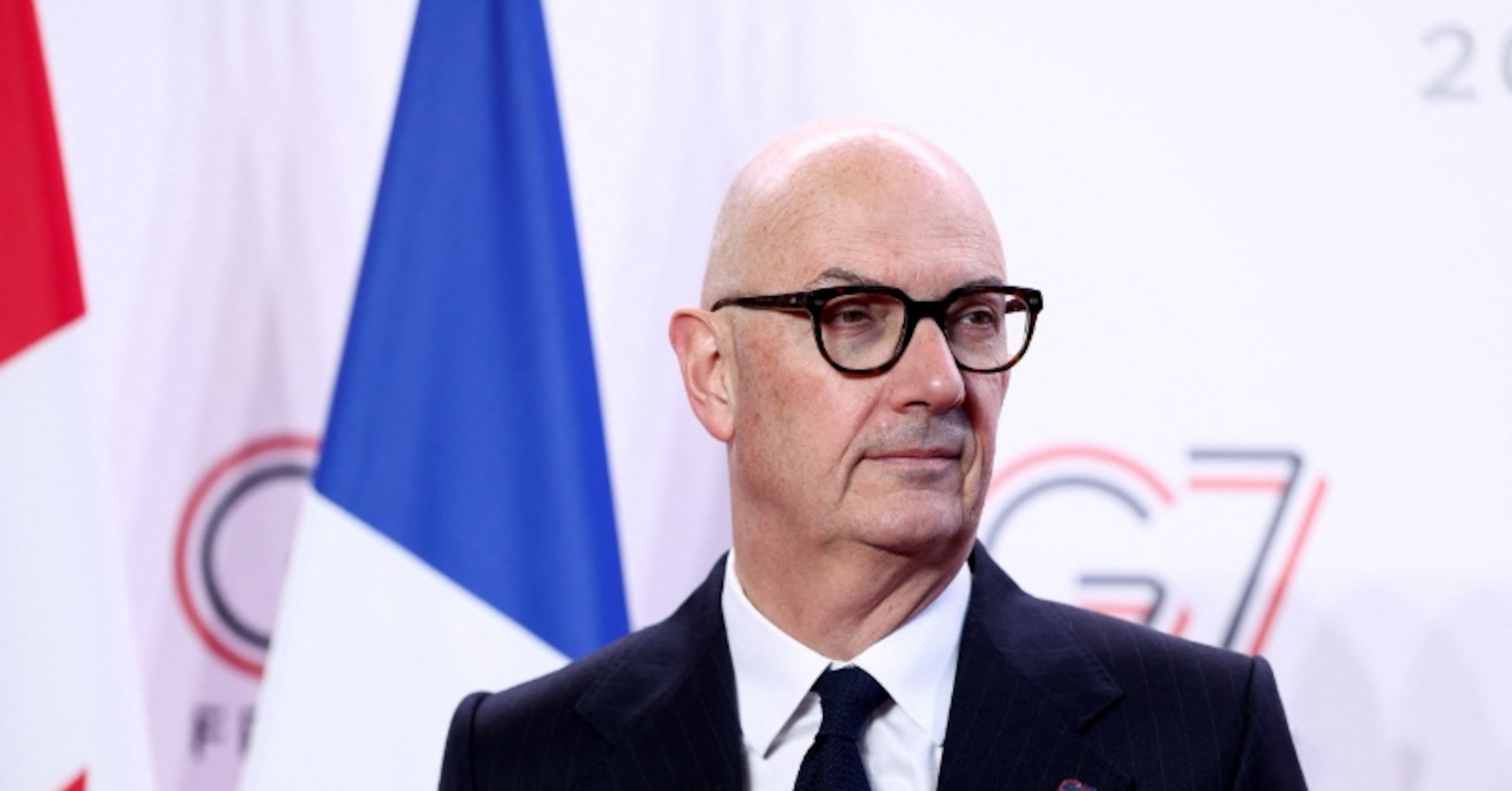
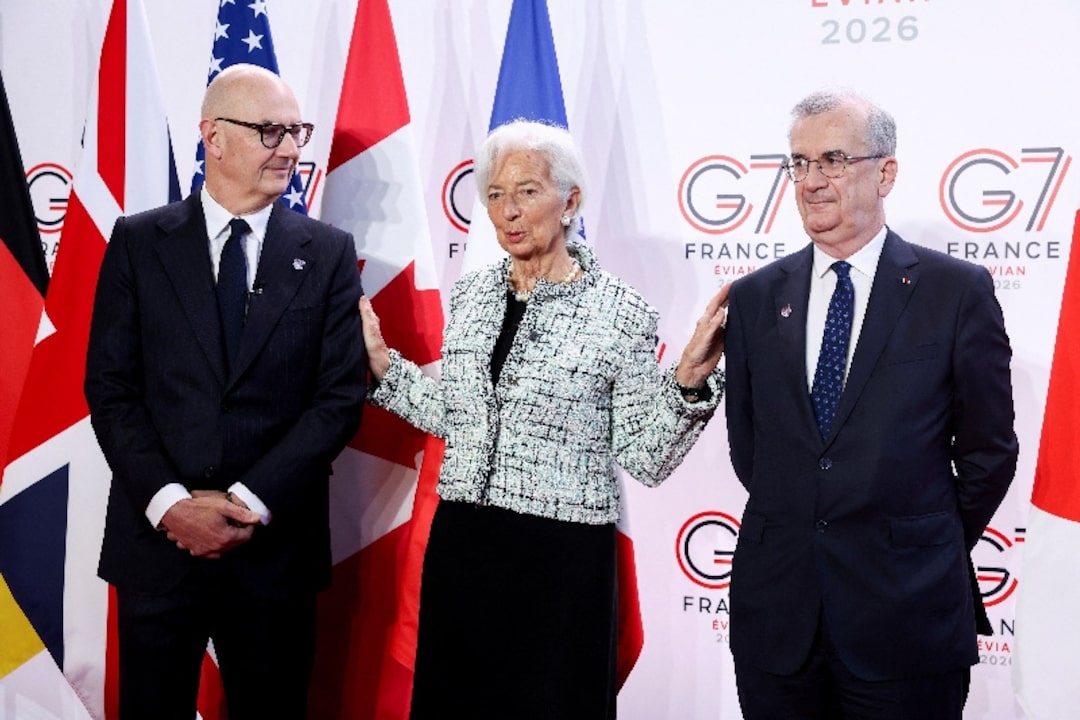
G7 finance ministers gathered in Paris on Tuesday and, rather than just monitoring the Iran war’s market fallout, began discussing actual policy responses. A jump in oil prices and a darkening growth outlook have pushed the conflict onto the central macro agenda. The Iran war is now a finance-ministry problem, not just a markets story. According to Reuters’ report from the meeting, ministers and central bankers used the gathering to test how much support vulnerable economies may need if energy costs start feeding into inflation, budgets and balance-of-payments strains.
French Finance Minister Roland Lescure said one line of discussion was whether the IMF and World Bank would need to do more for countries hit first by the shock. The framing goes beyond the usual summit language. It suggests officials are already thinking past the daily oil tape and into the mechanics of emergency funding, import bills and refinancing pressure in poorer economies that lack the room to absorb another energy spike.
“We agree on the fact that the IMF and the World Bank have to step up their game for those countries and make sure we help them.”
— Roland Lescure, Reuters
Markets are watching the inflation channel most closely. IMF Managing Director Kristalina Georgieva warned, in comments reported by Foreign Policy, that if oil prices stay above $100, policymakers will have to respond even if growth is already weakening. Her warning comes at an awkward moment for monetary authorities. A Reuters commentary on central banks’ real-rate problem argued this week that officials were already struggling to judge how restrictive policy really is after the last inflation cycle.
“When oil prices hover above $100 and there is already impact of this war baked in, inevitably there would be a response.”
— Kristalina Georgieva, Foreign Policy
Washington underscored how little room there is to maneuver with a 30-day extension of a sanctions waiver allowing purchases of Russian seaborne oil, a step reported by Reuters. Officials are not signaling comfort with the energy backdrop. They are trying to avoid tightening supply further while the Iran conflict is still live. Even temporary flexibility on oil flows matters if the alternative is a sharper pass-through into fuel, freight and food prices.
What markets should watch
For investors, the immediate question is whether the Paris talks produce a durable coordination line before G7 leaders meet for a three-day summit in Evian next month. No single public package has been unveiled. The discussions point to multilateral support for exposed countries, tactical flexibility on energy markets, and the overriding effort to keep a geopolitical shock from snowballing into a broader inflation scare. Each channel feeds directly into bond pricing. A drawn-out oil spike would force central banks to choose between protecting growth and reasserting their credibility on inflation.
How much unity the G7 can actually muster is the other open question. Lescure acknowledged the talks with the United States had been difficult, saying in remarks carried by Reuters that “these discussions are not easy” and that the sides did not agree on everything. That matters because policy coordination works best when fiscal, sanctions and central-bank signals pull in the same direction, and right now they are pulling in opposite ones.
Foreign Policy reported that ministers were also weighing the Iran war’s fallout alongside bond-market strain and existing tariff friction. That broader backdrop is why this meeting matters beyond the commodity tape. The question is not whether oil jumps on any given day. It is whether a conflict-driven energy shock hits an already fragile macro mix of high debt-servicing costs, politically sensitive inflation and weaker trade flows simultaneously. When G7 leaders gather in Evian, markets should have a clearer read on whether Paris marked the start of a coordinated economic response or merely an exchange of warnings. For now, Tuesday’s signal is that the Iran war has moved out of the foreign-policy silo and into the working assumptions of the people who have to manage inflation, funding stress and growth at the same time.
Helena Brandt
Macro reporter covering the Federal Reserve, ECB, inflation prints and jobs data. Reports from Washington.