US consumer sentiment hits May record low on inflation fears
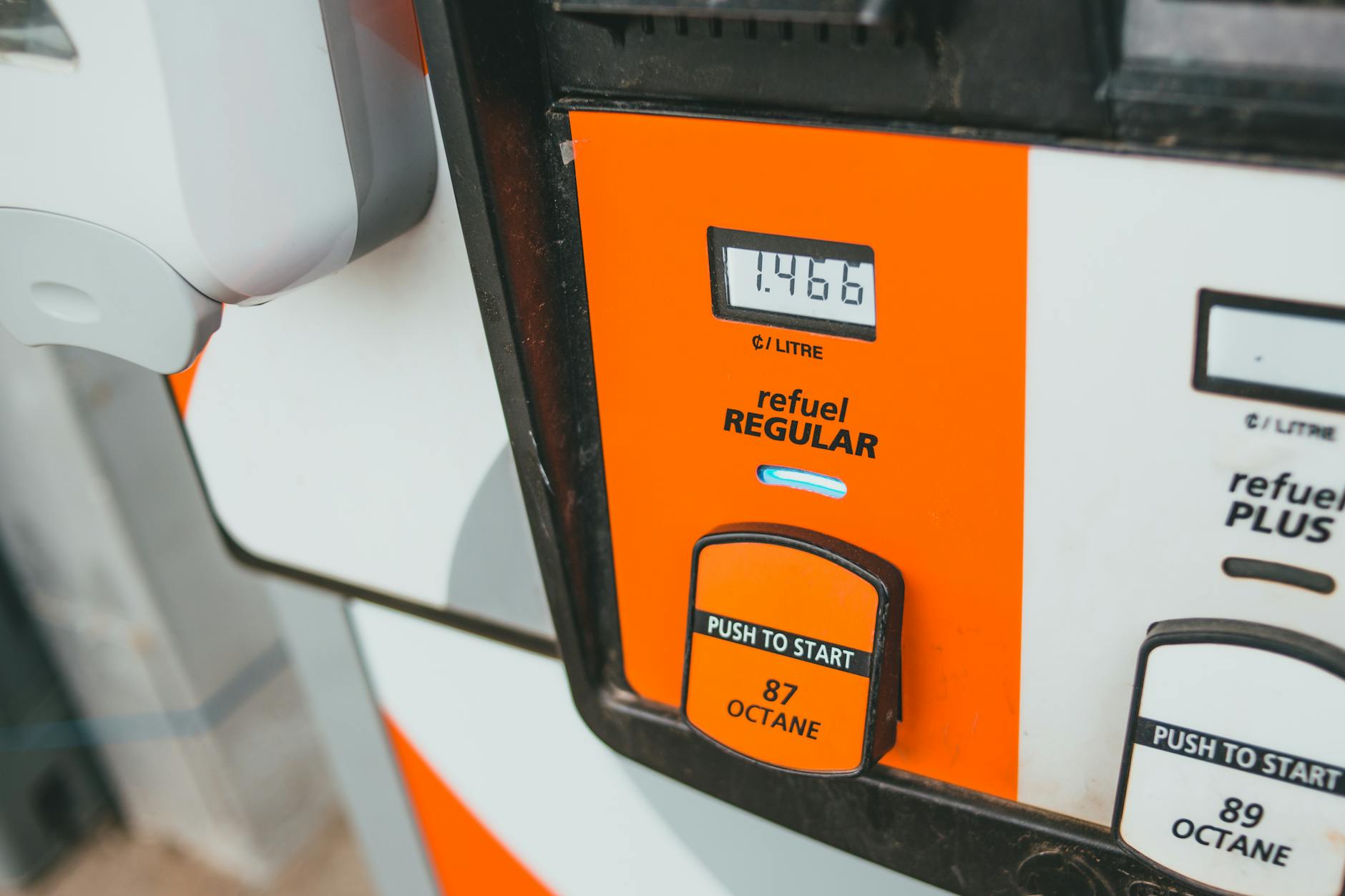
US consumer sentiment hit a record low in May as higher gasoline prices lifted inflation expectations and deepened worries over household finances.

US consumer sentiment fell to a record low in May, with the University of Michigan’s final survey showing a 44.8 reading on Friday, down from 49.8 in April, as gasoline prices tied to the Iran war added to inflation anxiety.
That drop would have mattered on its own.
What made the release harder for policymakers was the move in inflation expectations alongside it. Weaker sentiment can signal a more cautious consumer. Higher expectations at the same time make it tougher for the Federal Reserve to dismiss the latest oil shock as temporary.
Michigan said 57 per cent of respondents spontaneously mentioned high prices as a hit to their finances. One-year inflation expectations rose to 4.8 per cent in May from 4.7 per cent a month earlier, while the five-year view climbed to 3.9 per cent from 3.5 per cent, according to Reuters’ report on the release. The longer-term gauge tends to carry more weight with central bankers because it shows whether households still think inflation will cool.
Joanne Hsu, director of the university’s Surveys of Consumers, said in comments released with the survey findings that a longer conflict was leading consumers to assume energy-related price pressure would persist. “Three months into the conflict, consumers appear to be worried that supply disruptions are unlikely to be resolved quickly,” Hsu said.
Consumers were reacting to more than a higher bill at the pump.
The May decline also reflected a broader judgment that fuel costs could stay elevated through the summer if supply disruptions drag on. That matters because many households have little room to absorb another jump in daily expenses. Sentiment surveys are not a clean predictor of spending, but economists still watch them closely when fuel costs rise because they can shape decisions on travel, cars and other discretionary purchases.
No economist in the initial reaction treated the survey as a recession call on its own. Heather Long, chief economist at Navy Federal Credit Union, said households were showing the same strain seen in other cost-of-living measures this year, Reuters reported. The concern was more immediate: another oil-driven inflation shock could hit confidence quickly and force policymakers to weigh weak sentiment against firmer expectations.
John Ryding, chief economic advisor at Brean Capital, made the policy point most directly in comments carried by Reuters: “The Fed can only look through the rising inflation rate during the oil price shock provided inflation expectations remain anchored.”
That is what leaves the May report awkward for the Fed.
Officials can usually look through an energy-price jump when it does not change how consumers see inflation a year or five years ahead. This time, the one-year measure rose by only a tenth of a point, but the move in the five-year gauge is harder to dismiss because it goes more directly to the question of credibility.
For investors and policy watchers, the report sharpens a familiar question: how much damage can higher fuel costs do to demand before they also start to alter the inflation outlook. The May reading did not settle that on its own, but it showed the Iran-driven oil shock is already filtering into how households judge their finances, their buying power and the path of prices.
Helena Brandt
Macro reporter covering the Federal Reserve, ECB, inflation prints and jobs data. Reports from Washington.