The Iran war is draining the old petrodollar cushion
Petrodollar recycling is weakening as the Iran war keeps oil high, lifts Treasury yields and removes a familiar Gulf cushion for global demand.
U.S. drivers are paying $4.55 for a gallon of gasoline, and Treasury investors this week were demanding 4.607 per cent on the 10-year note, because the Iran war is no longer just an oil story. It is also a capital-flows story. The old pattern, in which Gulf exporters spent part of an energy windfall at home and recycled the surplus abroad, looks weaker just as inflation risk is climbing again.
For households, the first hit is obvious. Filling up costs more, and mortgage rates stay sticky when longer-dated yields refuse to come down. For macro readers, the more important shift sits one layer underneath. If Gulf states are using extra crude revenue to defend liquidity, cover war-related costs or simply keep more money closer to home, the world loses a source of demand that used to soften oil shocks rather than amplify them.
Bloomberg Economics put the mechanism plainly.
“The Middle East supplies the world with three inputs: energy, trade routes and capital.”
— Ziad Daoud, Bloomberg Economics
On a central-bank desk, the pressure point sits elsewhere. Higher crude feeds inflation expectations, lifts government borrowing costs and keeps policymakers focused on funding conditions for longer. CNBC reported the 30-year Treasury yield at 5.1334 per cent on 21 May, a level that matters well beyond the bond pit because it bleeds into mortgages, credit and investment hurdle rates.
Seen through that lens, the Iran war is removing a familiar cushion at exactly the wrong moment. Previous oil spikes often sent petrodollars back into the global system through sovereign funds, bank deposits, imported goods and purchases of foreign assets. This time, the money still exists, but more of it appears to be moving defensively. Less outward recycling means weaker support for global demand and a cleaner line from expensive crude to tighter financial conditions.
How the shock reaches bonds
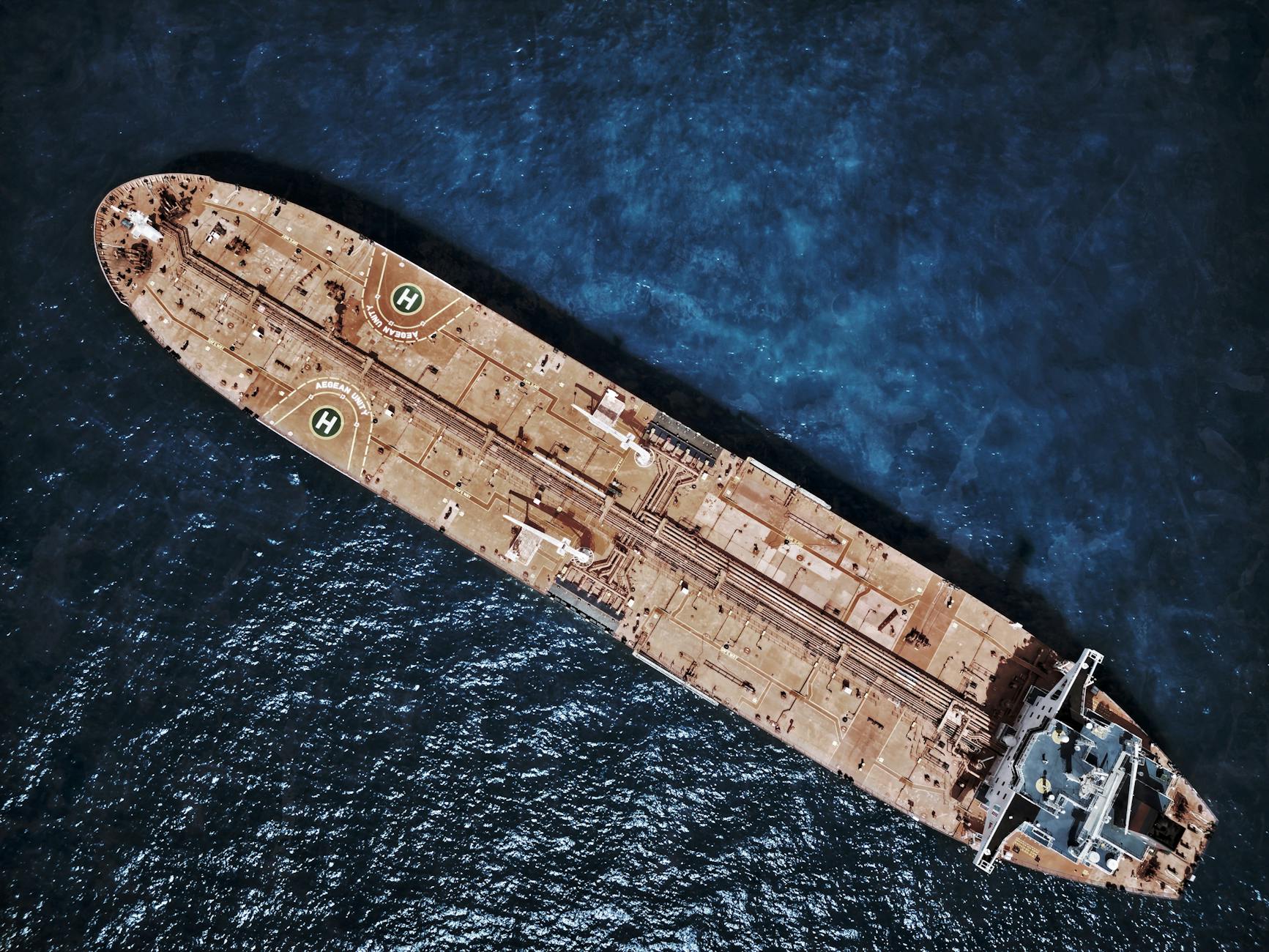
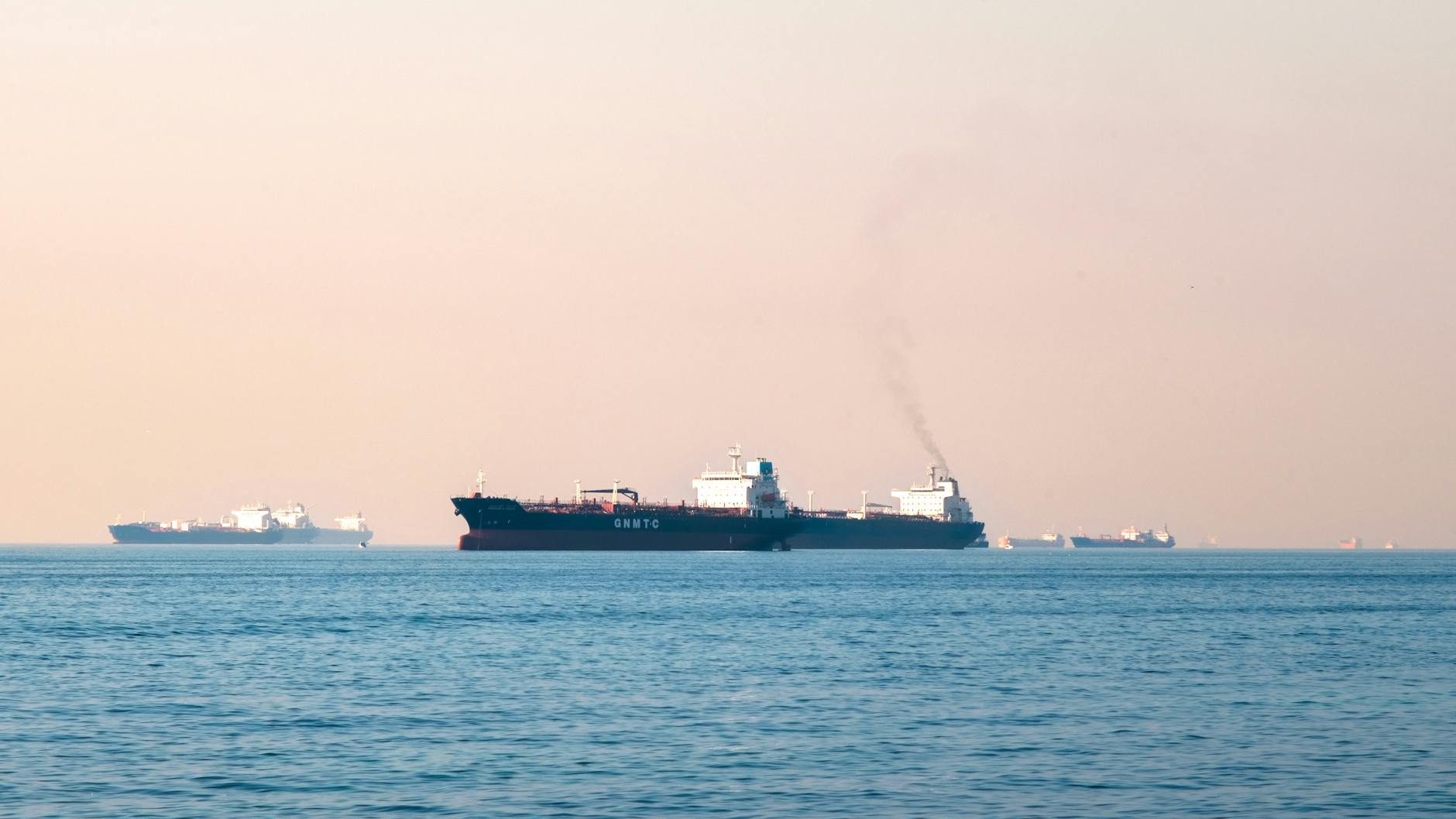
Bonds are where the secondary effects get priced. Roughly 25 per cent of world seaborne crude, about 20 million barrels a day, moves through the Strait of Hormuz. Even without a full closure, that choke point has been enough to keep traders focused on supply risk, insurance costs and the likelihood that energy stays elevated longer than policymakers or consumers would like.

The Guardian’s reporting makes the user-facing consequence hard to miss: the U.S. national average for gasoline reached $4.55 on 22 May, about $1.50 above prewar levels. Patrick De Haan, head of petroleum analysis at GasBuddy, has stopped pretending that the path back down is easy.
“I don’t even predict what next week’s going to be because of headlines.”
— Patrick De Haan, GasBuddy
Fuel-market uncertainty matters for bond investors because petrol is one of the quickest ways a geopolitical shock reaches inflation psychology. Bloomberg Markets warned earlier this week that the global bond selloff was already threatening weaker Asian economies, while Semafor reported that seven of the top 10 foreign holders of U.S. government debt trimmed Treasurys in March as volatility spread.
Consumers feel the war at the pump first. Policymakers feel it in breakevens, funding markets and the possibility that hoped-for rate relief arrives later. Markets, in turn, start treating every extra dollar on oil as a tax on growth and a reason to demand more yield from sovereign borrowers.
Why Gulf money is staying closer to home
An outright liquidation story would be too strong. Gulf sovereign investors are still deploying money. Semafor reported this month that Abu Dhabi backed a $30 billion infrastructure partnership, a reminder that large pools of capital in the region have not frozen. Still, active dealmaking is not the same thing as the broad petrodollar stimulus that markets became used to during earlier oil booms.

Money that once might have moved briskly into foreign bonds, equities or outward acquisitions now has more local claims on it. One official cited in reporting on Gulf sovereign funds said three states were reviewing sovereign investments to offset the impact of the Iran war. Panic is not the right word. Liquidity, resilience and optionality are.
Consider the counterfactual that used to steady markets. When oil exporters accumulated large surpluses, some of that cash returned almost automatically through dollar deposits, Treasury demand, overseas projects and imports from trading partners. Fewer of those flows arriving, or arriving later, leaves deficit economies and bond markets to absorb the inflation shock with less outside help. The missing bid does not need to be dramatic to matter.
Inside the region, that posture is rational. War raises fiscal uncertainty even for exporters enjoying higher oil prices. Shipping risk is higher. Insurance is costlier. Trade routes are less dependable. Domestic projects become politically harder to delay. All of that makes the marginal petrodollar less likely to travel abroad in the familiar way. The global economy still gets the expensive oil. It gets less of the offset.
Another distinction matters. Gulf funds do not need to become panicked sellers of Treasurys for the old recycling mechanism to weaken. Slower net buying, postponed allocations and a preference for cash or nearby projects can do the job. In that sense, the damage is incremental rather than cinematic, which is often how macro stress actually spreads.
What the renminbi shift can and cannot do
China sees an opening in that slower recycling loop. The Financial Times reported that average daily value on the Cross-border Interbank Payment System reached Rmb920.5 billion, or $135.7 billion, in March as Beijing pushed the renminbi harder into energy settlement. For anyone looking for a clean handoff from the petrodollar to the petroyuan, though, the evidence still points to an experiment, not a regime change.
Abbas Keshvani, Asia macro-strategy director at RBC Capital Markets, captured the limit clearly in the FT’s reporting.
“We’re not able to ascertain exactly how much of the oil trade is conducted in yuan.”
— Abbas Keshvani, RBC Capital Markets
More relevant than regime-change rhetoric is the slower widening of settlement options at the edges while the core safe-asset system stays American. Incremental change can still matter for marginal Treasury demand, especially when yields are already rising and energy importers are using reserves more defensively.
That caution is the right one. Yuan settlement can grow at the margin and still leave the dollar dominant in reserves, trade finance and safe-asset demand. What the Iran war has done is provide proof of concept. Oil exporters and importers facing sanctions risk, shipping disruption or political friction have more incentive to test alternative rails. Yet a test is not a replacement, and scramnews readers should be careful not to confuse a strategic nudge with a monetary regime shift.
Strip away the drama and the message is fairly simple. Expensive oil used to come with a partial rebate for the rest of the world because Gulf surpluses fed back into trade, asset markets and investment flows. If those surpluses are being spent more defensively, the rebate shrinks. Consumers pay more, bond markets face more pressure, and policymakers inherit a nastier inflation-growth trade-off.
Viewed through all four lenses, user, policymaker, analyst and insider, this war looks more dangerous than a plain commodity spike. It tightens the loop between energy, inflation and capital flows instead of letting one side cushion the other. For traders, central banks and borrowers, the relevant number is not just the next crude print. It is how much of the Gulf windfall still makes it back into the global system.
Sloane Carrington
Markets columnist. Analytical pieces and deep-dives on monetary policy, capital flows and corporate strategy. Reports from New York.