Olaplex (OLPX) stock jumps 51% after Henkel's $1.4bn deal
Olaplex stock jumped about 51 per cent after Henkel agreed to buy the premium hair-care brand for $1.4 billion, offering $2.06 a share.
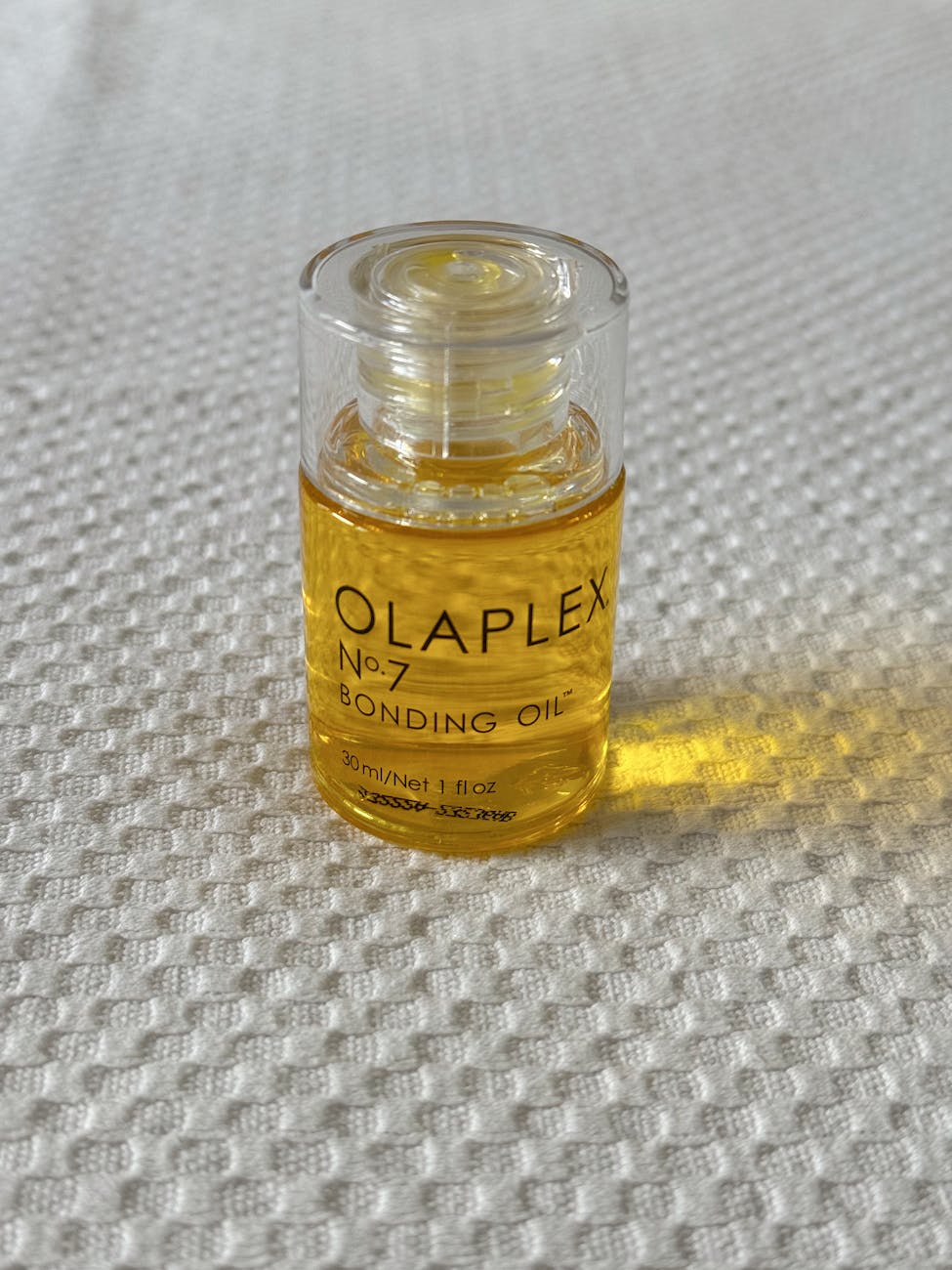
Olaplex (OLPX) shares jumped about 51 per cent in premarket trading on March 26 after Henkel said it would buy the premium hair-care brand for $1.4 billion in cash, offering shareholders $2.06 a share.
The offer values Olaplex at a 55 per cent premium to its previous close and a 45 per cent premium to its 30-day volume-weighted average price, according to the filing attached to the merger announcement. CNBC reported that the shares rose about 50 per cent as trading moved toward the cash bid. By early trading, the stock was within sight of the cash consideration rather than back on its stand-alone range.
In cash takeovers, stocks often move quickly toward the offer price when investors see limited uncertainty in the terms. That appeared to be the case here.
Henkel said in its announcement of the acquisition that Olaplex generated about 370 million euros of sales in 2025. That gives the buyer an established brand across salons, specialty retail and e-commerce rather than an early-stage beauty label.
“The planned acquisition of OLAPLEX is fully in line with Henkel’s strategy to expand its portfolio,” Carsten Knobel, Henkel chief executive, said in Henkel’s statement. It was a portfolio argument rather than a turnaround pitch.
What Henkel is buying
Olaplex built its name on bond-repair products sold at premium price points. Henkel said the brand already reaches consumers through professional channels, specialty retail and online sales, a mix that gives the buyer both salon credibility and broader distribution. For Henkel, that means owning a business that already spans both professional endorsement and broader consumer distribution.
The 370 million euros sales figure also points to immediate scale. In beauty deals, that matters because an established revenue base shows the brand can travel across channels without losing pricing power.
There was little ambiguity in the market’s arithmetic. A fixed cash bid at $2.06 a share gave investors a clear benchmark, and the premium to both the previous close and the 30-day average price left little room to trade the stock on a stand-alone recovery case.
“Today marks an exciting next chapter for OLAPLEX,” Amanda Baldwin, Olaplex chief executive, said in the SEC filing. For shareholders, the message was simpler than the corporate phrasing: Henkel was offering a cash exit at a sizeable premium, not a partnership or a financing plan.
Why the premium mattered
The deal also offers a read on where strategic buyers still see value in consumer brands. Henkel is paying for a hair-care company with professional recognition and consumer reach, suggesting larger personal-care groups still see room to pay up for premium labels with clear channel positioning.
For investors, the cash structure removed many of the usual M&A questions. There was no share-swap ratio to model and no contingent payout to handicap. The central question was how close Olaplex stock would trade to the $2.06 offer once the terms became public.
Henkel still has to show it can expand Olaplex without blunting the premium positioning that made the brand attractive in the first place. Investors will also watch whether Henkel can widen distribution without eroding the salon-led image that helped build the brand. But the initial market verdict was plain: the premium was large, the consideration was cash and Olaplex shares quickly reset toward the bid.
Naomi Voss
Banks and deals reporter covering bank earnings, fintech, M&A and IPOs. Reports from New York.