Hapag-Lloyd bids $4.2bn for ZIM in shipping tie-up
Hapag-Lloyd's $4.2bn bid for ZIM at $35 a share gives investors a 58 per cent premium and turns shipping consolidation into a live M&A test.
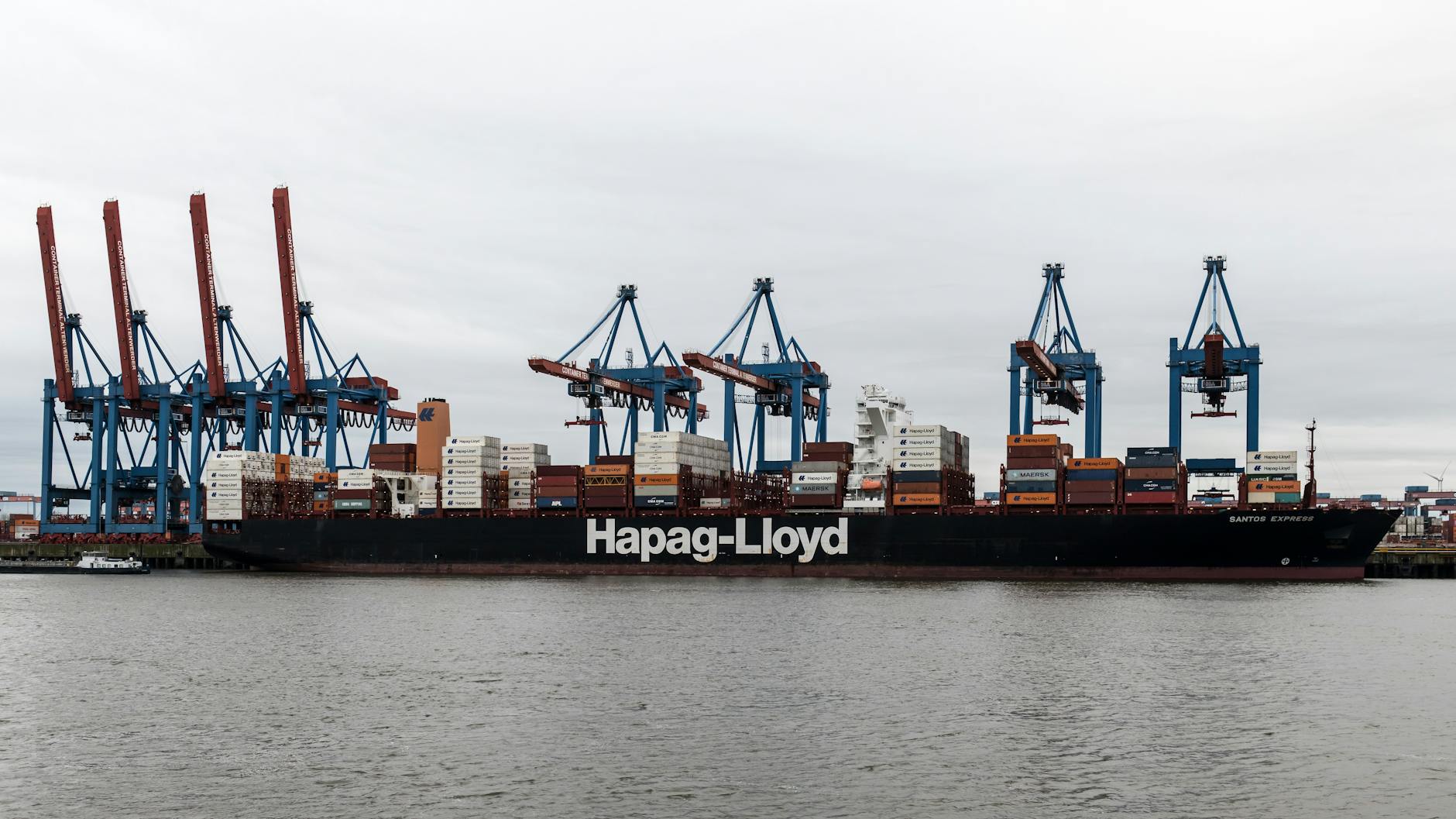
Hapag-Lloyd said on Feb. 16 it would acquire ZIM Integrated Shipping Services (ZIM) for $35.00 a share in cash, valuing the Israeli carrier at about $4.2 billion. ZIM shares rose about 50 per cent after the announcement, while Hapag-Lloyd fell roughly 8 per cent, Reuters reported.
The offer gives ZIM holders a 58 per cent premium to the stock’s Feb. 13 close, according to ZIM’s statement. It also shows how one of the container-shipping industry’s larger operators wants to use cash built in the freight boom. Rather than keep that money for buybacks or balance-sheet repair, Hapag-Lloyd is paying for more scale and route density.
Hapag-Lloyd and ZIM said the consideration is all cash and that they are targeting completion in 2026. The structure locks in the price for ZIM holders now, while leaving Hapag-Lloyd exposed to shifts in freight rates, fuel costs and traffic disruptions before closing. That gap between signing and completion helps explain why buyer shares often wobble when a cash bid is announced.
In its announcement, chief executive Rolf Habben Jansen called ZIM “an excellent partner for Hapag-Lloyd.”
The first market response was more cautious. ZIM traded toward the offer price, while Hapag-Lloyd’s decline pointed to concern about acquisition cost, integration work and weaker shipping conditions by the time the deal closes.
ZIM said the transaction amounts to roughly $4.2 billion in aggregate cash consideration. Its announcement also referred to a new Israeli company acquiring part of ZIM’s business, a sign the structure was built to preserve operating continuity as well as deliver the cash payment.
Reuters said the tie-up comes as container lines navigate unstable trade flows and higher operating uncertainty on major routes. In that setting, a broader network can matter as much as spot pricing because carriers can shift capacity more quickly across lanes. Buying a listed rival can also expand reach faster than waiting for new capacity or trying to win the same cargo lane by lane.
What investors are pricing
The share moves gave an early read on who gets the near-term benefit. A 50 per cent jump in ZIM showed holders and arbitrage traders pricing the target toward the bid, while Hapag-Lloyd’s 8 per cent drop showed the market demanding a discount for execution risk. That split is common in all-cash deals, where the seller gets certainty and the buyer takes on financing, integration and timing risk.
The timetable matters as much as the headline price. A 2026 closing window gives shareholders, regulators and the freight market time to reshape the case for the deal after signing. If freight conditions hold, Hapag-Lloyd gets a larger footprint through a known operator. If rates weaken or route disruptions ease, investors may look harder at the cost of paying up for size.
The bid puts container shipping back into consolidation mode in public markets. Hapag-Lloyd’s willingness to pay cash and ZIM’s acceptance of a rich premium turn long-running talk about scale into a live transaction. Investors will now watch whether the deal closes in 2026 and whether other carriers test the same playbook.
Naomi Voss
Banks and deals reporter covering bank earnings, fintech, M&A and IPOs. Reports from New York.