India raises gold import duty to 15% to support rupee
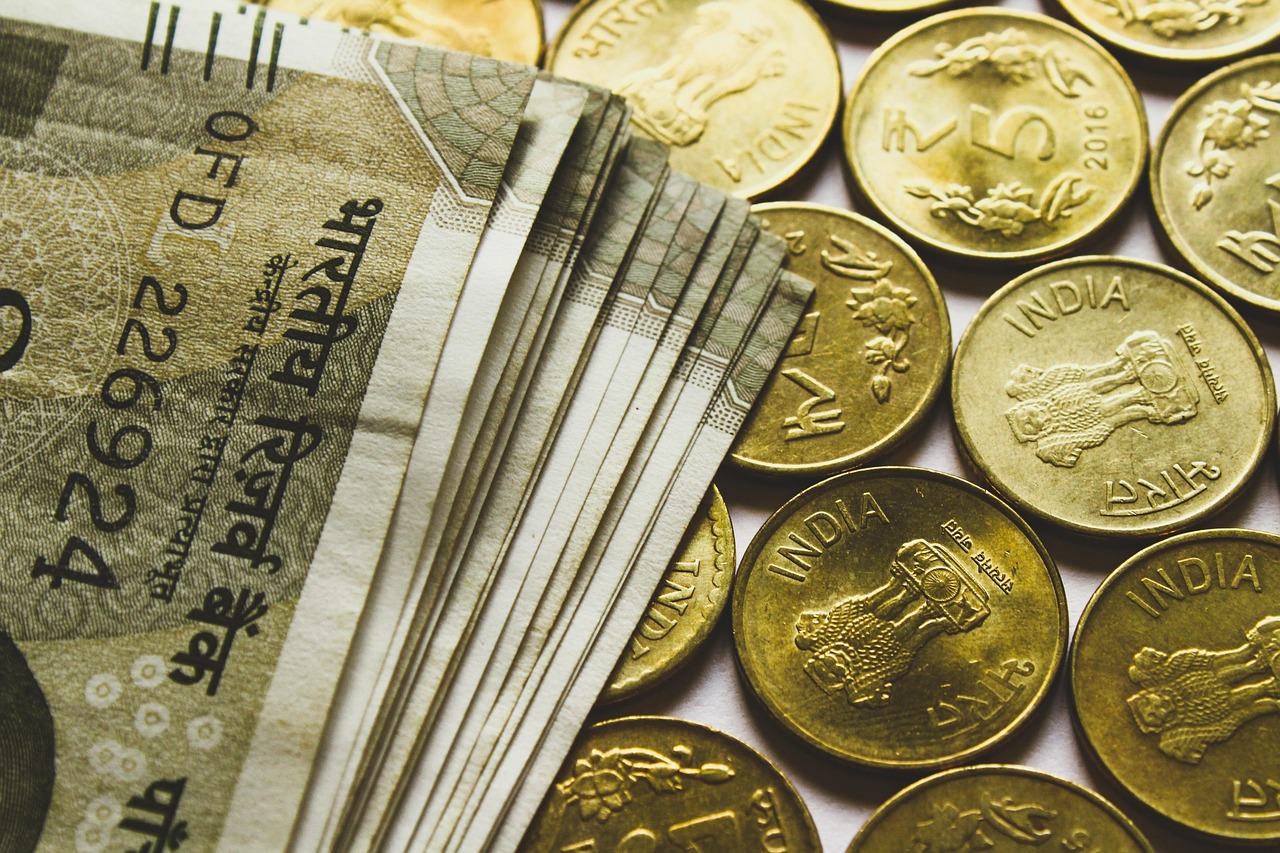
India's gold import duty jumped to 15% as New Delhi moved to curb bullion inflows, defend foreign-exchange reserves and steady the rupee.
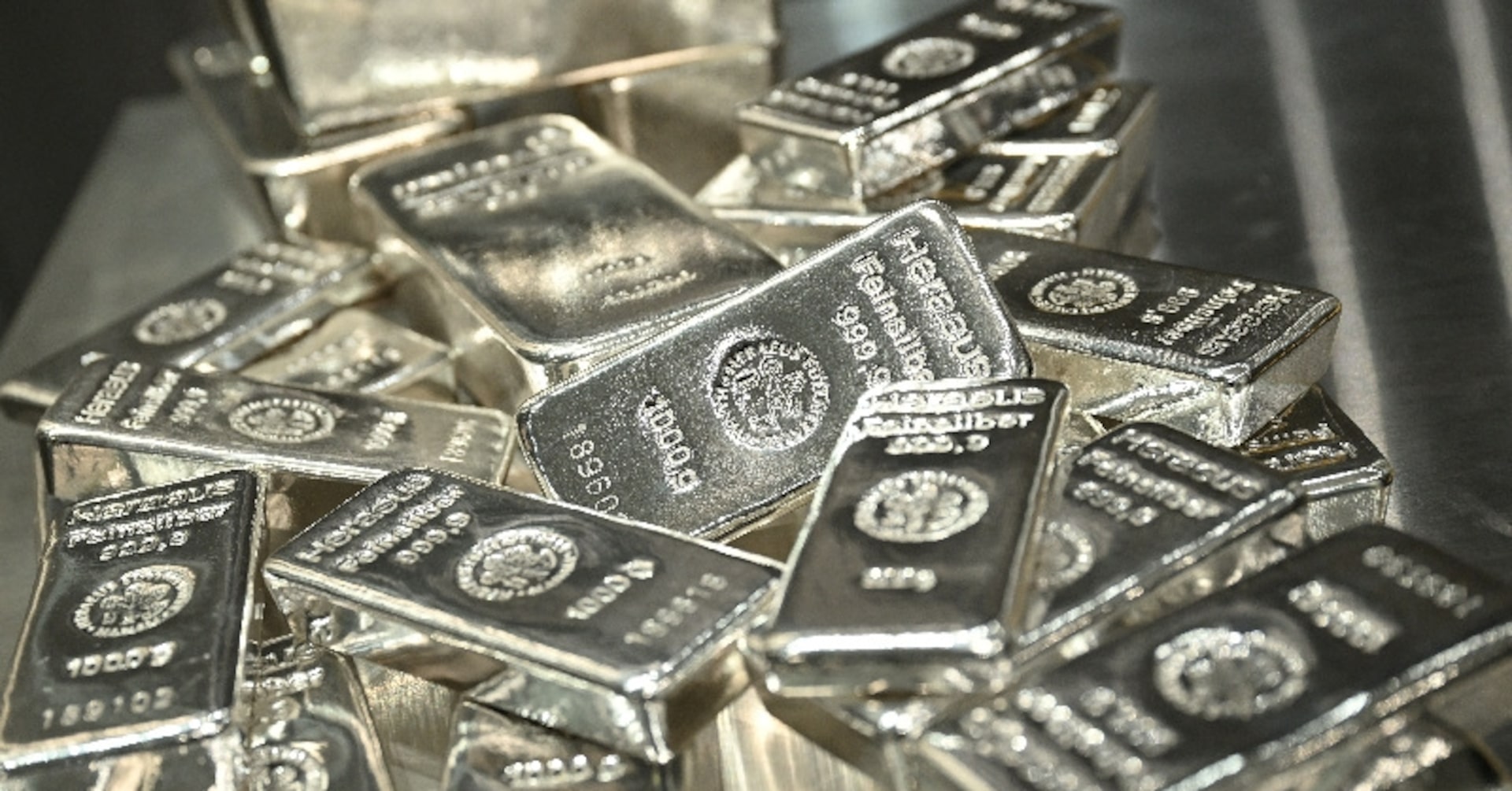
India raised the import duty on gold and silver to 15 per cent on Tuesday from 6 per cent, as Prime Minister Narendra Modi’s government moved to slow bullion imports, protect foreign-exchange reserves and limit pressure on the rupee. The higher effective levy combines a 10 per cent basic customs duty with a 5 per cent Agriculture Infrastructure and Development Cess, according to Reuters, restoring a heavier tax burden on precious-metals imports after a period of lower duties.
The move shows how New Delhi is using trade policy to manage a macroeconomic strain. India is the world’s second-largest gold consumer, and heavy bullion buying can widen the current-account deficit when prices are high or household demand is firm. Whalesbook described the move as part of a broader effort to curb imports at a time when gold’s role as a household store of value can translate into pressure on the rupee.
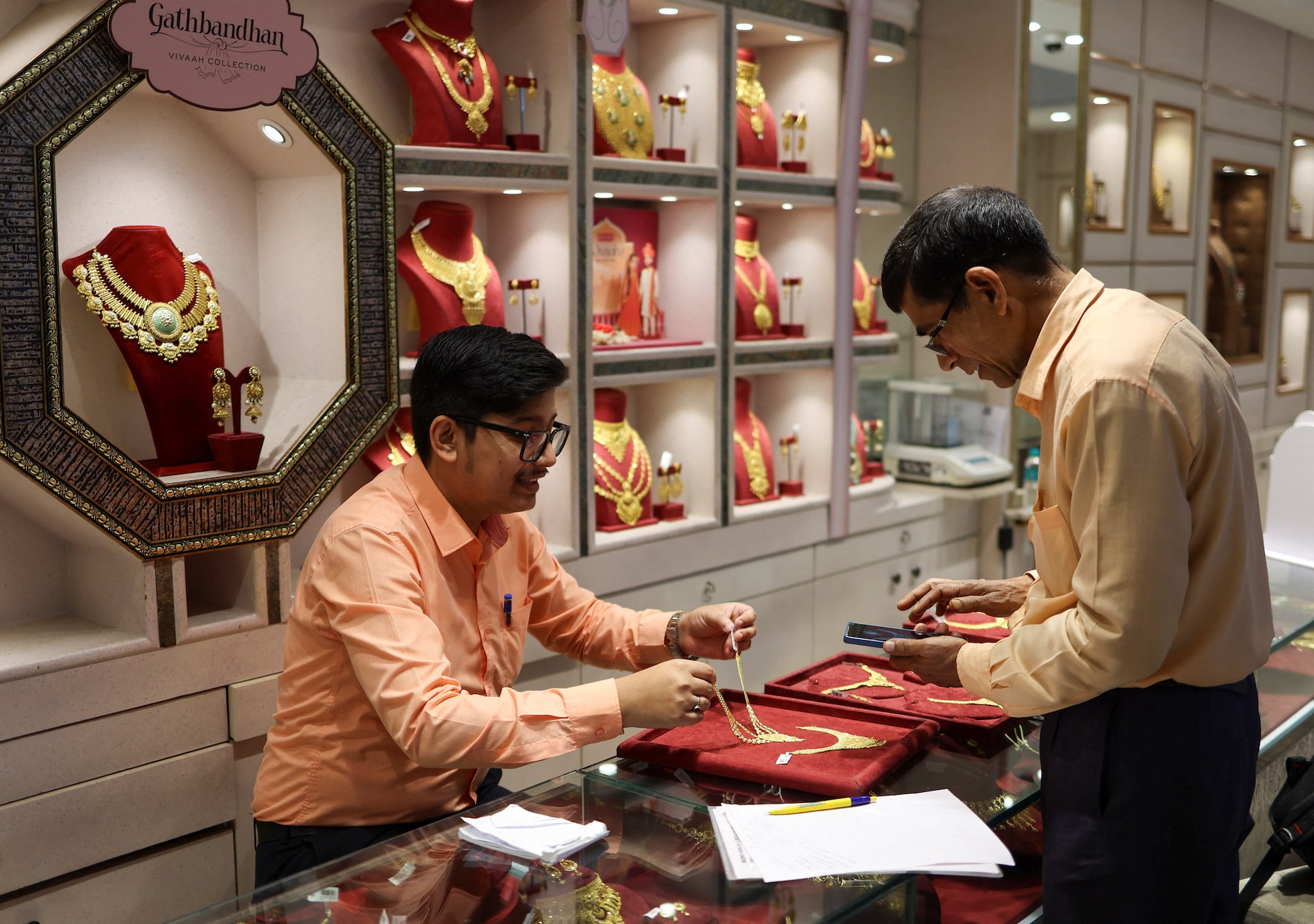
A higher border tax raises the landed cost of gold and silver for jewellers and traders, which can cool near-term buying even if underlying demand holds up. That matters for India because bullion imports can swell at the same time as festival, wedding and investment demand. The government’s bet is that a steeper duty will ease pressure on the balance of payments, even if it pushes up local prices and slows formal demand in the short run.
Surendra Mehta, national secretary at the India Bullion and Jewellers Association, said the policy had been widely anticipated as officials looked for ways to contain the external-account hit from precious-metals demand.
“As expected, the government has raised duties to curb the current account deficit. However, this could affect demand.”
Surendra Mehta, India Bullion and Jewellers Association, via Reuters
Reuters reported that April gold imports fell to a near 30-year low after banks paused purchases under a 3 per cent integrated goods and services tax regime, a reminder that relatively small policy adjustments can disrupt flows quickly. At the same time, the country’s investment appetite for bullion has not disappeared. Gold exchange-traded fund inflows in the March quarter jumped 186 per cent from a year earlier to a record 20 metric tons, according to Reuters, suggesting some demand shifted channels rather than disappeared.
That leaves policy makers with a familiar problem. In India, gold demand is both consumption and savings. Households buy jewellery for weddings and festivals, but they also buy bullion as a hedge when inflation, currency weakness or global stress make financial assets look less secure. A tariff increase can delay purchases or change stocking patterns, yet it does not remove the reasons many buyers want gold.
What the tax change signals
The duty increase also signals that New Delhi sees gold as a macro-sensitive import, not just a consumer product. Customs policy offers a faster lever than speeches or jawboning when gold prices are near record highs and emerging-market currencies are vulnerable. By lifting the levy back to 15 per cent, the government is prioritising currency stability and reserve protection over cheaper imported bullion.
The trade-offs are clear. Higher tariffs can hurt jewellers that rely on imported supply, widen the gap between international and domestic prices and dent formal demand. They can also shift activity rather than stop it in a market as price-sensitive and culturally embedded as India’s. Even so, the decision points to a more defensive approach to imports while the rupee remains exposed to moves in commodity prices and capital flows.
The next question for traders and investors is whether the higher duty slows shipments over the next few months or simply changes where demand appears. If imports cool and the rupee steadies, officials will have evidence that the measure worked. If demand stays resilient, New Delhi may learn that a 15 per cent duty can slow purchases at the margin but cannot easily break India’s appetite for gold.
Reza Najjar
Commodities desk covering oil, natural gas, gold and base metals. Reports from London.