Silver import curbs: India tightens rules after $12B bill
Silver imports: India curbed most shipments after a record $12B fiscal-year bill, widening its rupee-support push with trade controls on precious metals.
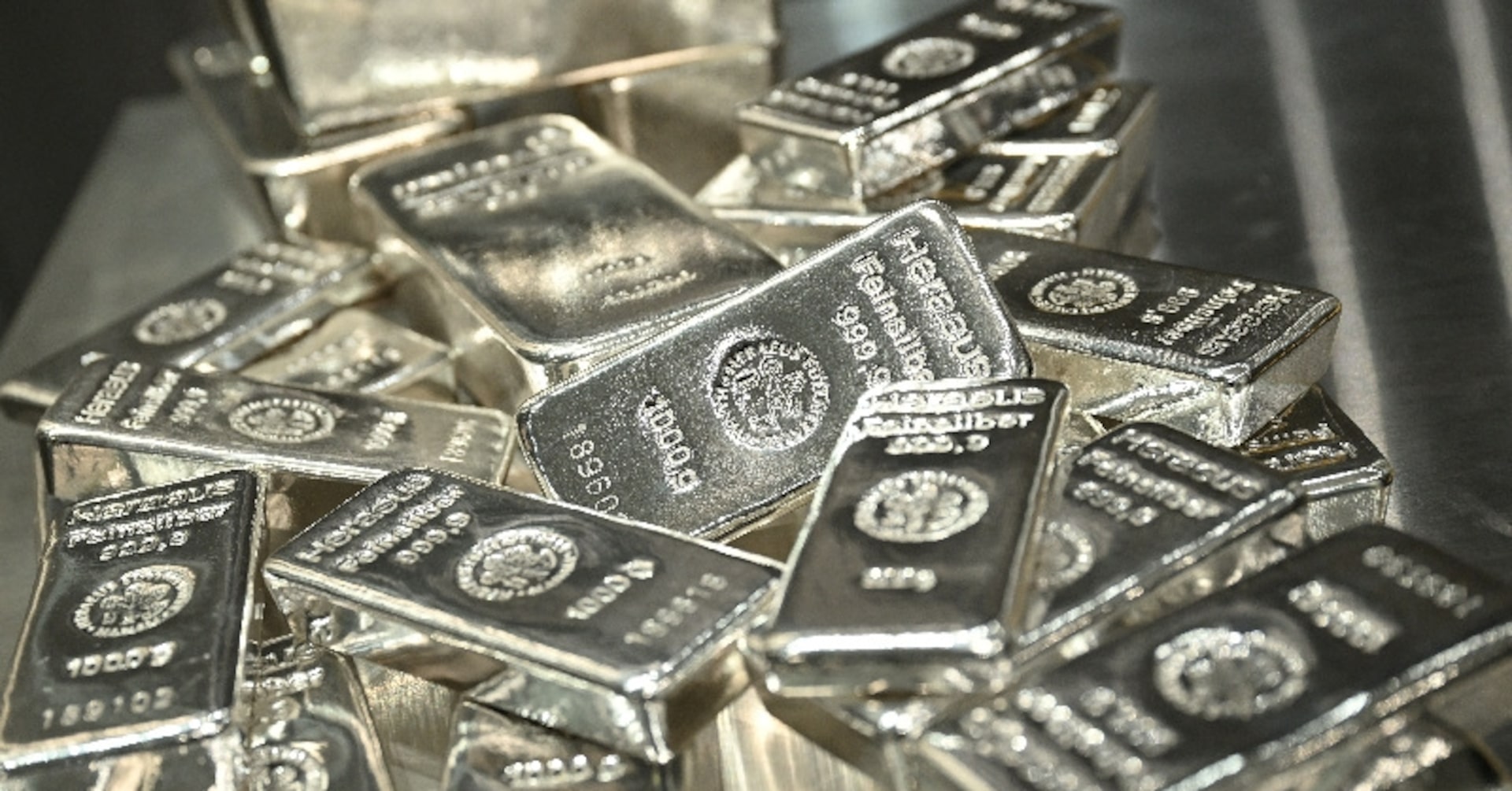
India tightened curbs on most silver imports after a record $12 billion import bill in the fiscal year ended March, escalating beyond higher tariffs as New Delhi tries to slow shipments and relieve pressure on the rupee. The order, which took effect immediately, covered silver in nearly all forms, Reuters reported. The country still buys the bulk of its bullion abroad. The shift signals a harder line on a commodity whose share of the import bill has grown: a currency-defence measure delivered through trade controls.
Days earlier, India raised import duties on gold and silver to 15 per cent from 6 per cent, a step Reuters said was also meant to curb inflows and support the rupee. Tariffs make imports more expensive. Curtailing the route into the market goes further. The first move was not enough to cool demand, and officials moved again inside a week. Bullion imports are settled in foreign currency. A sustained rise in purchases swells the import bill when policymakers are trying to contain external pressure, not add to it.
Reuters reported that India’s silver imports in April jumped 157 per cent from a year earlier to $411 million. For the full 2025/26 fiscal year, the country spent a record $12 billion on silver, according to the same report. More than 80 per cent of India’s silver consumption is met through imports, leaving domestic buyers exposed when official policy shifts. A market this dependent on overseas supply can absorb a tariff increase for a while. It has less room to absorb a direct curb without changes in local pricing, inventory behaviour and buying patterns.
Chirag Thakkar, chief executive of Amrapali Group Gujarat, told Reuters the change would “reduce imports and tighten supplies in the local market”. After the earlier tariff increase, he said, silver had been trading at a discount but was likely to move to a premium in coming weeks. Discounts suggest the duty rise had already begun to distort flows. A premium would signal import friction feeding into local scarcity. The government appears willing to accept tighter domestic supply if that slows the outflow of foreign exchange tied to silver purchases.
Trade bill and rupee
The currency link is the core of the story. The stated aim of the curbs, Reuters reported, was to cut shipments, restrain the import bill and support the rupee. Silver is not crude oil and does not carry the same weight in every trade calculation. But a $12 billion annual import bill commands policy attention, especially when officials have already raised tariffs and still see demand holding up. Silver now fits a familiar emerging-market pattern: goods that are tradable, widely demanded and manageable enough to police when the currency comes under strain.
Sequence matters. India’s tariff increase earlier this week raised the cost of bringing in gold and silver through the tax code. The latest restriction on most forms of silver targets volume directly. Together the steps test whether trade controls can steady the rupee more effectively than price signals alone. Moving twice inside a week in a fast-moving commodities market tells importers and traders that further intervention is on the table if the current squeeze does not slow demand.
Local pricing will feel the change first. India imports the bulk of its silver, so tighter access can lift local premiums even if global prices stay broadly unchanged. That is the scenario Thakkar outlined. Demand will not disappear. Some of it will clear at higher domestic costs rather than feed a bigger import bill. The government is using domestic pricing levers to shift the trade arithmetic. If less silver comes in, less foreign exchange goes out.
A metals policy signal
New Delhi is treating precious-metals demand as a macro variable. First, import duties jumped to 15 per cent. Now, an immediate curb on most silver imports. If April’s 157 per cent rise to $411 million signalled demand was still running hot, the response shows officials will escalate fast rather than let the import surge run. With more than 80 per cent of consumption met through imports, India has thin insulation when buying stays elevated. Silver is now testing the limits of trade policy as a tool to manage commodity flows and currency pressure.
Reza Najjar
Commodities desk covering oil, natural gas, gold and base metals. Reports from London.