Europe oil windfall tax fight grows as Iran profits swell
Europe oil windfall tax plans are widening as BP, Shell and TotalEnergies try to defend Iran-war trading gains, buybacks and fuel margins.
European governments are moving to skim Iran-war oil gains, with Britain targeting about £300 million a year from a tax loophole change and Poland eyeing as much as 6 billion zloty, or $1.6 billion, from a new levy. Profits that surged at BP, Shell and TotalEnergies during the rally are becoming a political fight over who keeps the money.
Britain is closing an oil-and-gas tax loophole expected to raise about £300 million a year, according to Bloomberg’s report. Poland is preparing a levy that could raise as much as 6 billion zloty, or $1.6 billion, from Orlen to offset fuel bills, Reuters reported. France is weighing an exceptional tax on groups including TotalEnergies. The thread running through all three is fiscal pressure.
The same earnings burst that makes a levy saleable to voters has also steadied investors. BP’s first-quarter profit reached $3.2 billion, more than double a year earlier and 20 per cent above expectations, while TotalEnergies posted $5.4 billion of adjusted net income, up 29 per cent year on year as it lifted its dividend and buybacks. Company boards still see the Iran shock as a trading and cash-return story. Ministers see taxable capacity.
Markets are focused on that split. Europe’s oil debate is no longer about whether the war pushed Brent higher. It is about whether governments can recapture part of the windfall without denting future investment, and whether the companies can keep shareholder payouts intact if the tax net keeps spreading. Europe can raise some money quickly, but far less than the politics implies because a large share of trading and global cash flow remains mobile.
Who gets the windfall
The political case is easy to understand. Households saw fuel costs rise first, and any government facing that squeeze has an incentive to show that producers and traders are sharing the pain. In Poland, ministers have framed the levy around consumer relief rather than corporate punishment, arguing that the proceeds would help curb pump prices rather than simply fill the treasury.
French politicians are using blunter language. Lawmaker David Amiel told Bloomberg that the state’s relationship with the country’s biggest oil company cuts both ways.
France is lucky to have Total, but Total is lucky to have France.
— David Amiel, Bloomberg
His line reframed the old European bargain with national champions. The pitch used to be that energy groups provided strategic supply, jobs and tax receipts, so governments should tread carefully. Now the counterargument is that wartime dislocation created gains exceptional enough to justify exceptional treatment.
Warsaw has also put a timetable on the debate. Deputy climate minister Wojciech Wrochna said Reuters would see new proposals within days.
Next week we will be presenting some legislative initiatives.
— Wojciech Wrochna, Reuters
For drivers and small businesses, the issue is simpler: relief delayed is relief denied. Even so, a windfall tax can transfer cash only after the fact. It does not lower crude benchmarks on the day, and it reaches households more slowly than a retreat in oil itself. With prices back below $100 a barrel on hopes of an Iran peace deal, governments are racing a market that may already be taking some pressure off consumers.
Why investors should care
The analyst question is not whether a one-off levy dents one quarter’s earnings. It is whether Europe is telling capital that any politically awkward commodity gain will be shared on terms set after the profits appear. For regional majors, that matters because projects and trading books can be housed in friendlier jurisdictions.
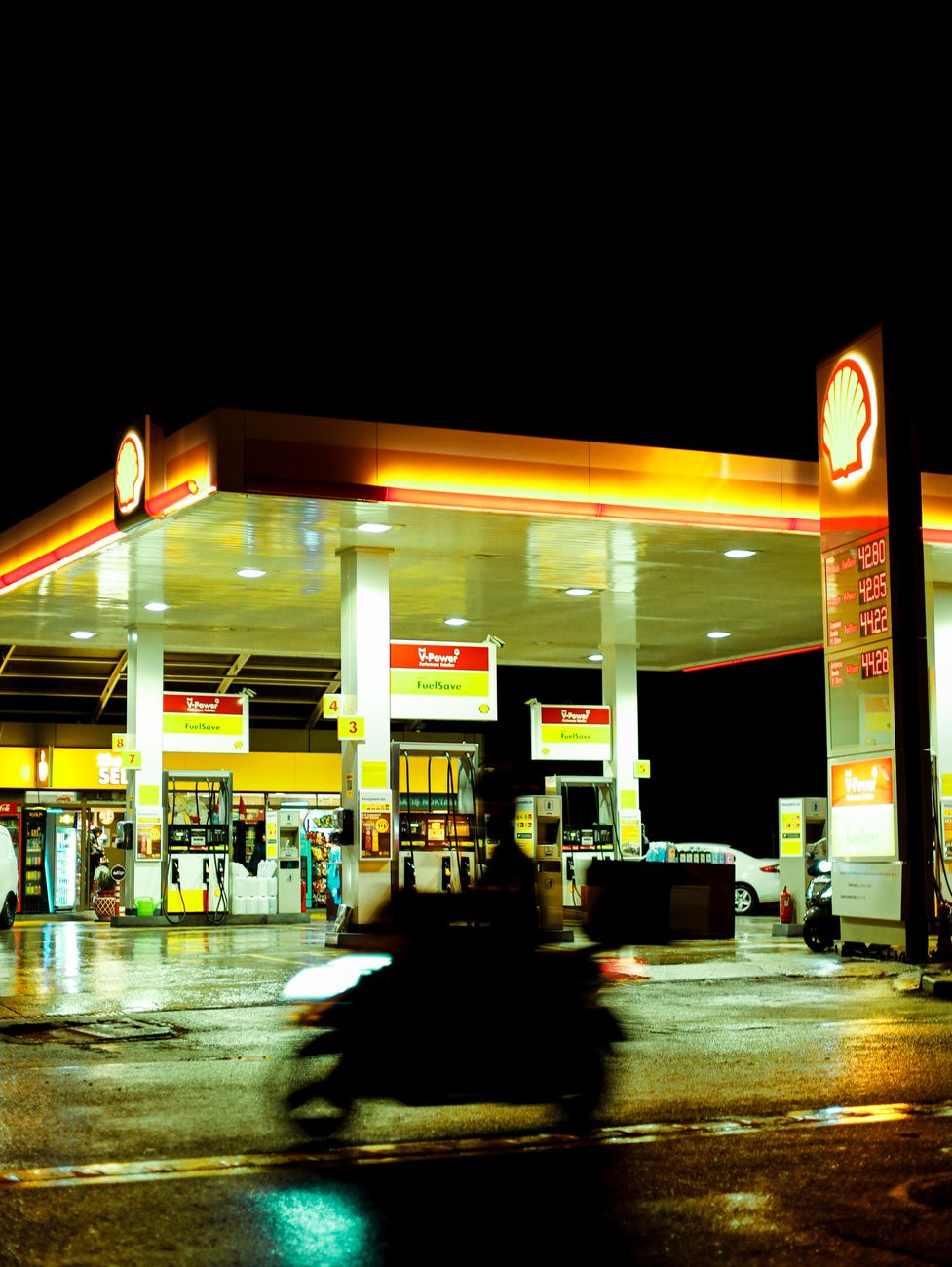
A Reuters Breakingviews analysis captured the policy problem clearly. Policymakers can tax static assets. They struggle to tax mobile profits without changing behaviour. That partly answers the regulator’s own question about how much revenue is realistic once companies shift activity. The headline politics point to a large pot. Market structure points to leakage.
Bloomberg noted that BP and Shell together paid $3.7 billion of UK taxes last year, a big number that still sits alongside global earnings bases far larger than any single domestic measure can easily capture. The UK’s expected £300 million from closing a loophole is real money for a treasury under strain, but it also underscores the limit of the exercise. Fiscal symbolism may outrun the fiscal haul.
Set against that backdrop, the earnings reports mattered. Reuters described BP’s quarter as a profit beat driven by an Iran-war trading boon, then reported TotalEnergies’ stronger trading and richer buybacks a day later. That gave governments the evidence they needed. The windfall was not theoretical. It was already being recycled into shareholder returns before fiscal policy had fully caught up.
Boardrooms are now watching whether levies stay temporary. Boards can live with taxes that skim a dislocation if buybacks and dividends still hold. They become more defensive if levies harden into a recurring surcharge on European exposure. TotalEnergies’ decision to raise buybacks and the dividend, and BP’s profit beat tied to war-related trading, suggest management teams still see the current windfall as monetisable. The open question is how durable that confidence remains if Europe makes the tax risk structural.
Why the fiscal take may disappoint
For ministers, the hardest part is that the most politically attractive profits are often the least easy to pin down. Refining margins, trading gains and cross-border flows can be booked through networks that do not map neatly onto a single national tax base. That is what makes the current debate different from a simple upstream royalty change. Europe is not just taxing barrels in the ground. It is trying to reach balance-sheet gains created by a war shock and spread across multinational groups.
Even so, the push is unlikely to fizzle. The Iran shock has already pushed the debate from Brussels to Warsaw to Paris, and EU ministers have discussed a tax on war-linked profits. Once that conversation starts, it develops its own political momentum, especially if voters remember expensive fuel more clearly than where prices settled a month later.
The likeliest outcome is a compromise rather than a clean transfer of riches from oil majors to consumers. Governments will probably win some extra revenue, enough to claim they acted. Companies will probably keep a meaningful share of the upside, enough to defend payouts. Investors will mark down European policy stability a little, not catastrophically, but enough to ask where the next marginal dollar should be deployed. That answer is unlikely to be a stampede out of Europe, but it may mean a higher hurdle rate for fresh capital.
For households, the practical effect may be narrower still. If crude keeps easing and pump prices cool on their own, politicians will claim the tax debate helped. If fuel stays high, voters will notice that a levy announced in Warsaw or discussed in Brussels does not move the forecourt sign overnight. The user-affected perspective is a reminder that windfall policy is a redistribution tool first and an inflation tool only at the margin.
The broader point is that the Iran war’s oil dividend is now being contested twice. First it was split between producers, traders and refiners when crude jumped. Now it is being renegotiated between companies, treasuries and motorists as governments try to claw some of it back. In commodity markets, the first move is usually the one on the screen. In Europe this time, the more durable move may be the one in the tax code.
Reza Najjar
Commodities desk covering oil, natural gas, gold and base metals. Reports from London.