Section
Commodities
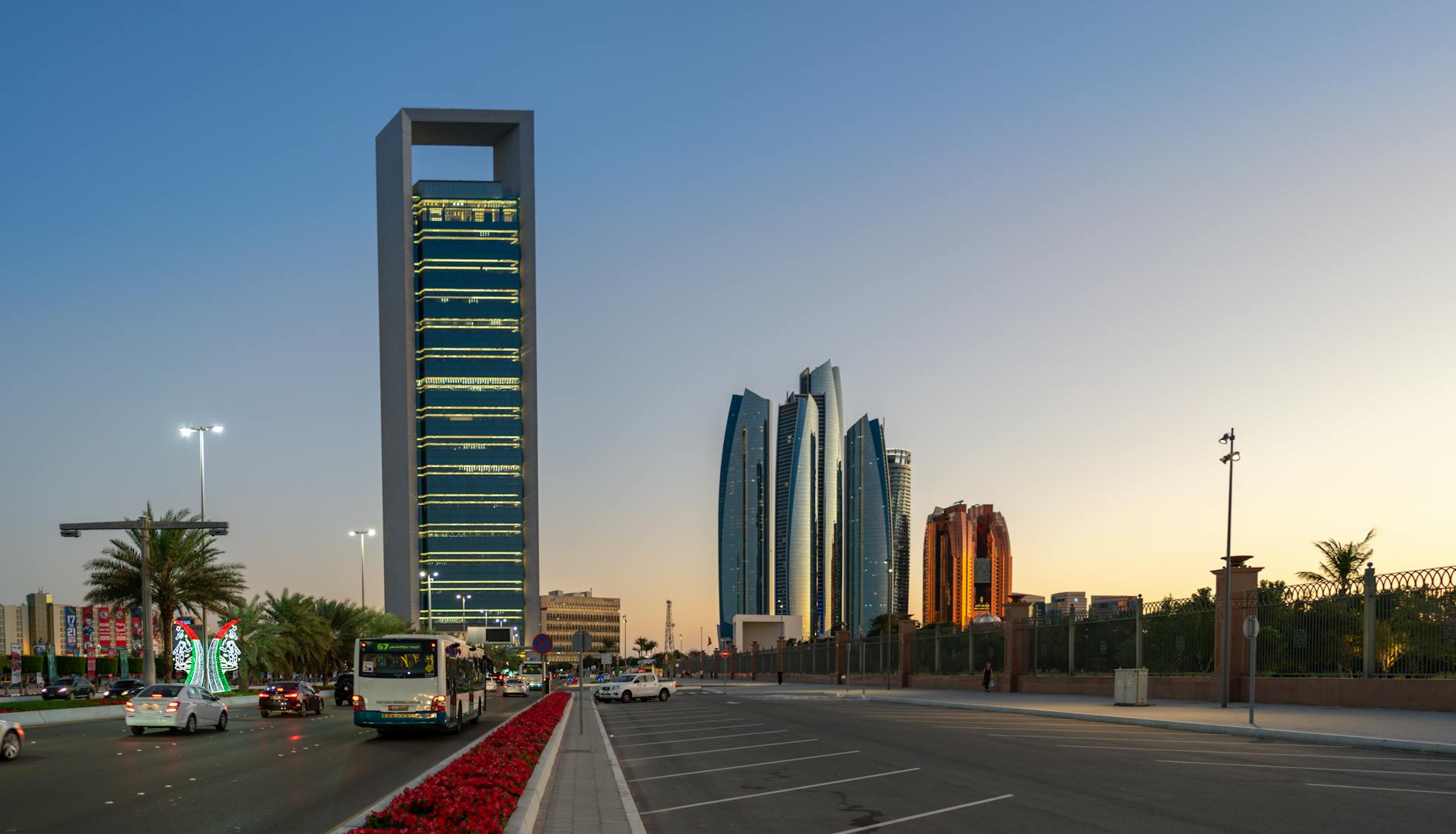
UAE casts OPEC exit as output strategy with Brent at $109.26
The UAE said its OPEC exit reflects production policy and capacity plans, a signal oil markets are reading through supply discipline and future market share.
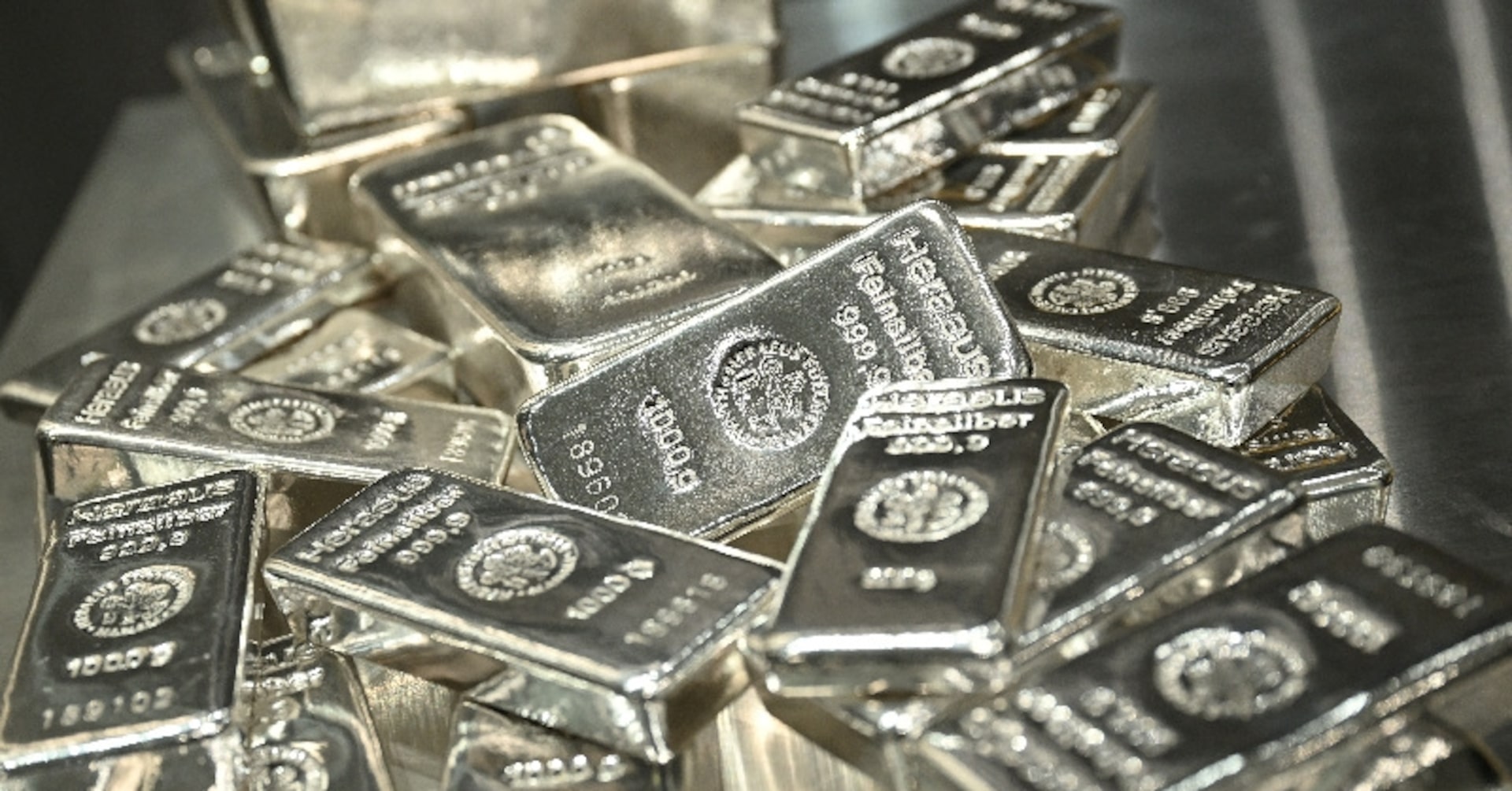
Silver import curbs: India tightens rules after $12B bill
Silver imports: India curbed most shipments after a record $12B fiscal-year bill, widening its rupee-support push with trade controls on precious metals.
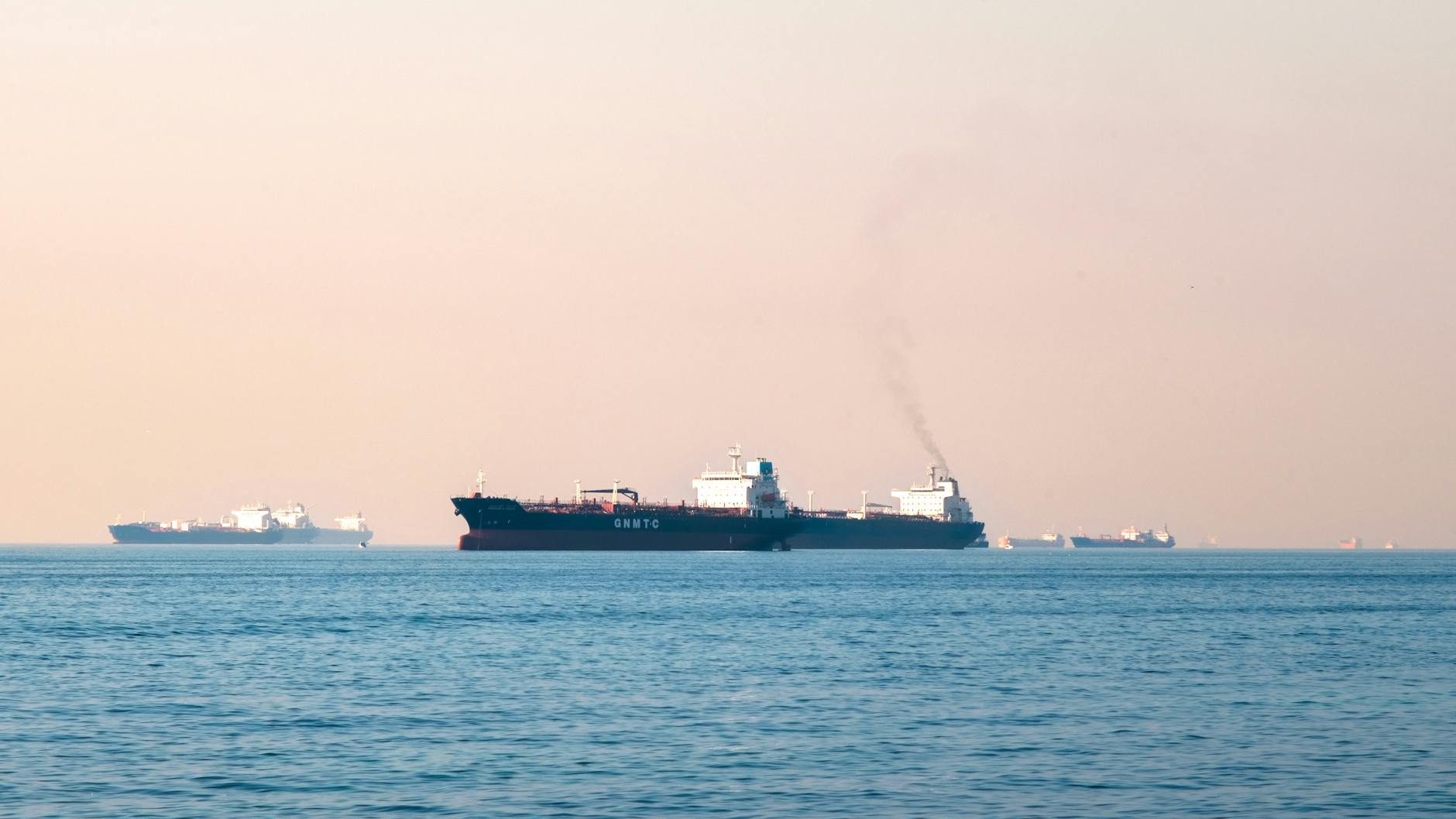
Strait of Hormuz oil disruption: Stockpile squeeze deepens
Strait of Hormuz oil disruption: UBS, JPMorgan and the IEA warn stockpiles could hit record lows if the closure persists, shifting risk from prices to scarcity.
Gold and silver slide as oil jumps on Hormuz fears
Gold and silver fell while crude pushed higher and Treasury yields rose, as traders treated the Hormuz shock as an inflation problem across commodities.
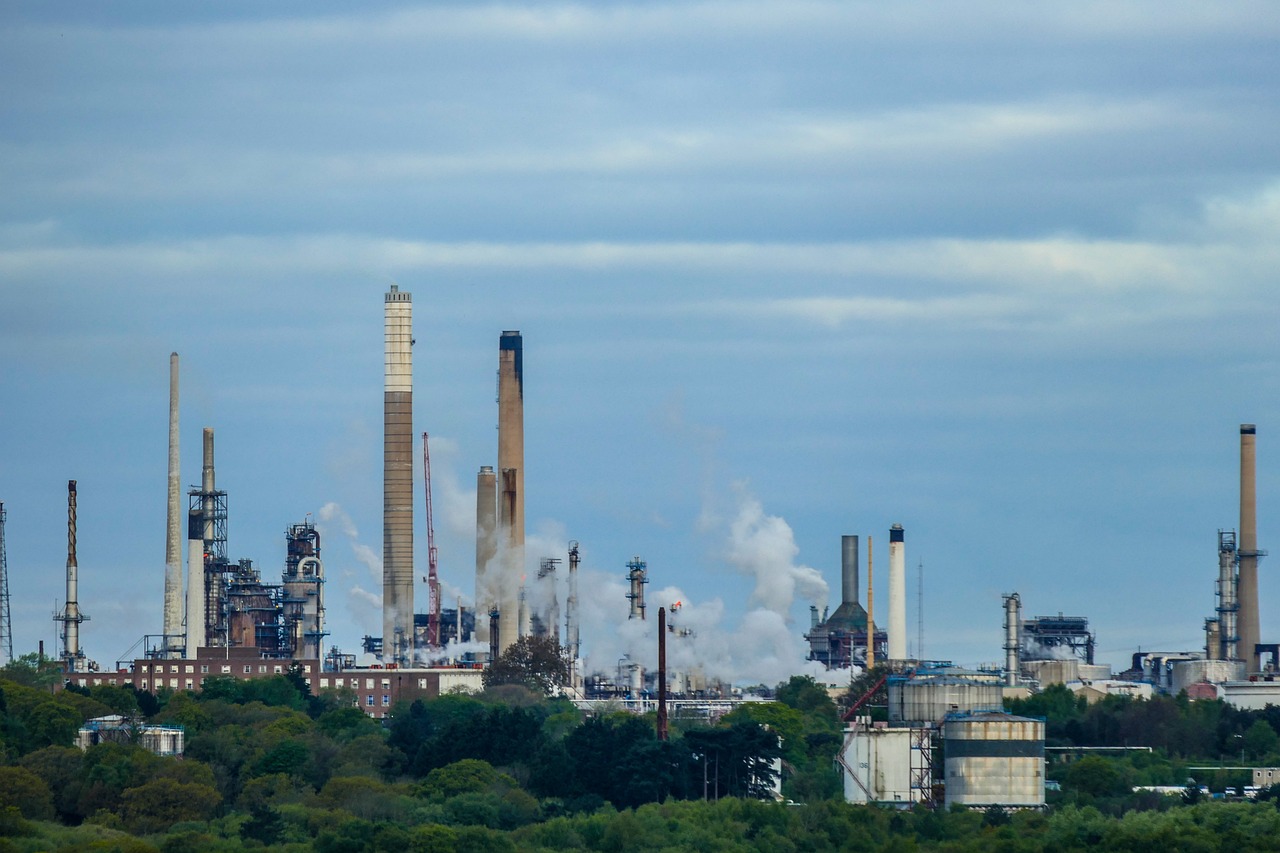
Oil Edges Higher as Trump-Xi Summit Holds Hormuz Key
Brent crude settled at $105.76 a barrel as the Trump-Xi summit in Beijing kept the Strait of Hormuz in focus, with the IEA warning supply losses from the Iran war have passed 1 billion barrels.
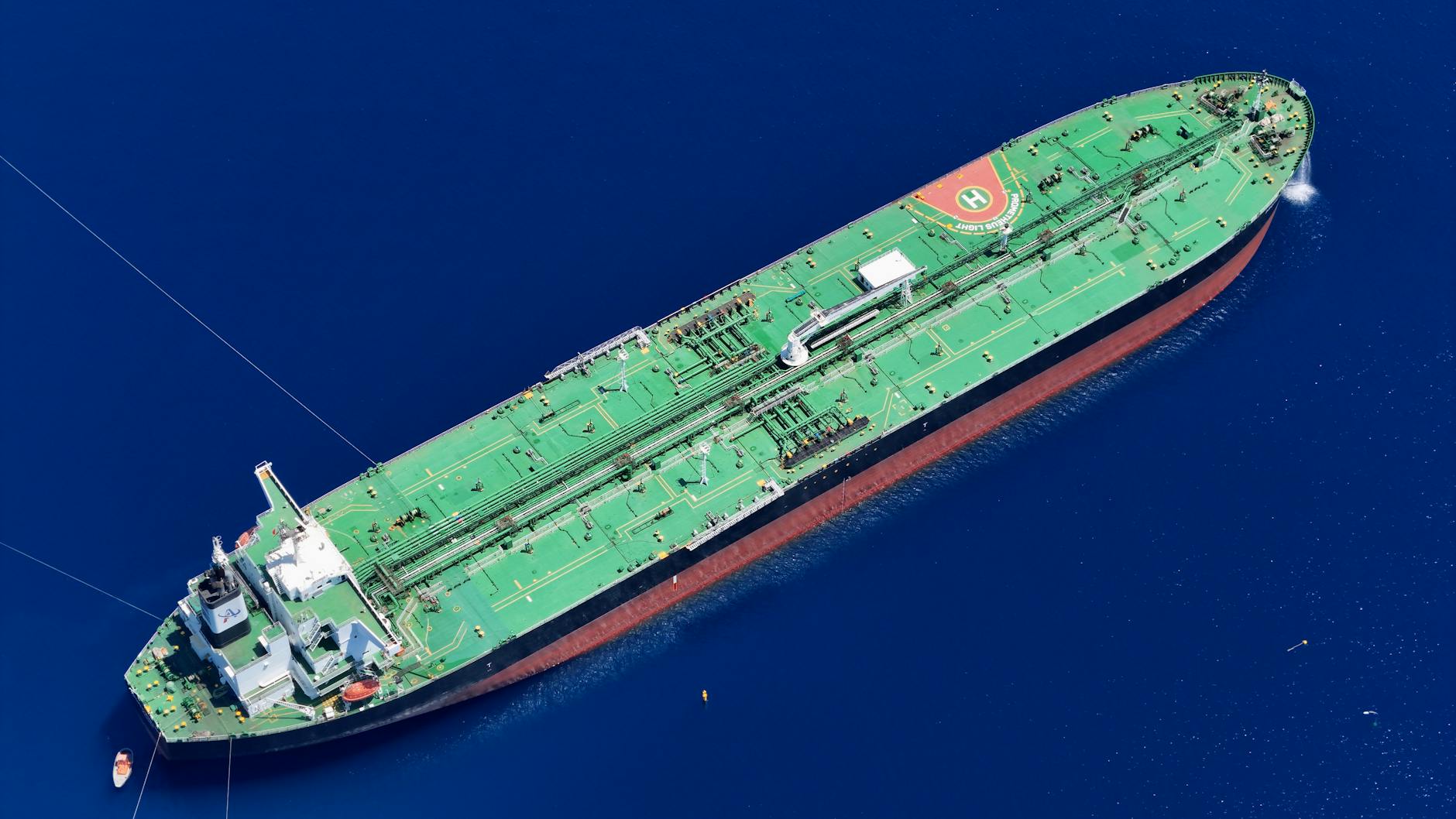
US SPR loan: 53M barrels ease Iran oil shock
The Trump administration loans 53.3 million barrels from the Strategic Petroleum Reserve as Iran conflict pushes oil toward $115.
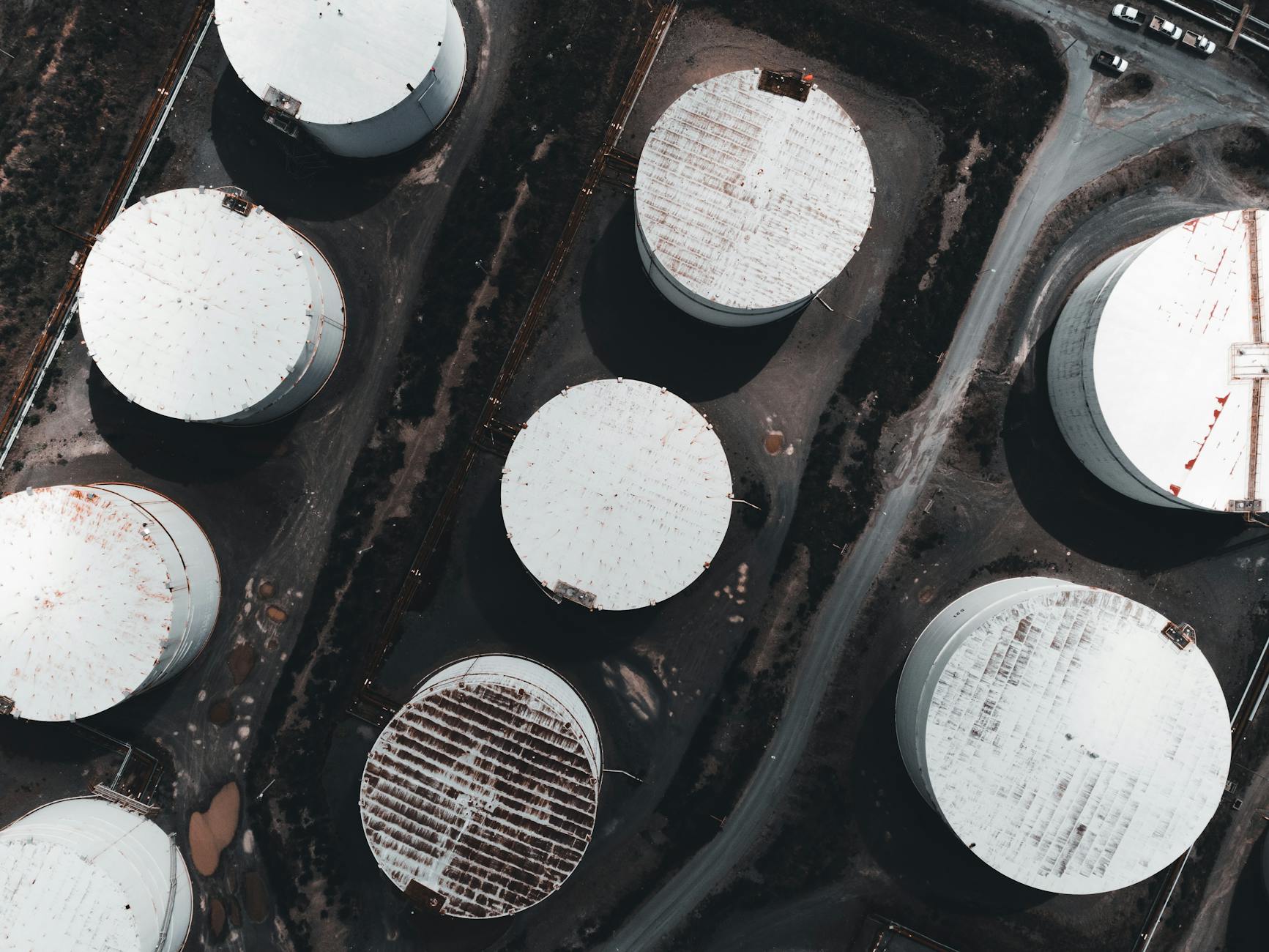
Gold Falls From Three-Week High as Fading Middle East Peace Hopes Lift Dollar
Spot gold slipped 0.8% to $4,698.22 an ounce on Monday, retreating from a three-week high, as deteriorating U.S.-Iran peace talks boosted the dollar and oil prices, undercutting the metal's safe-haven bid.
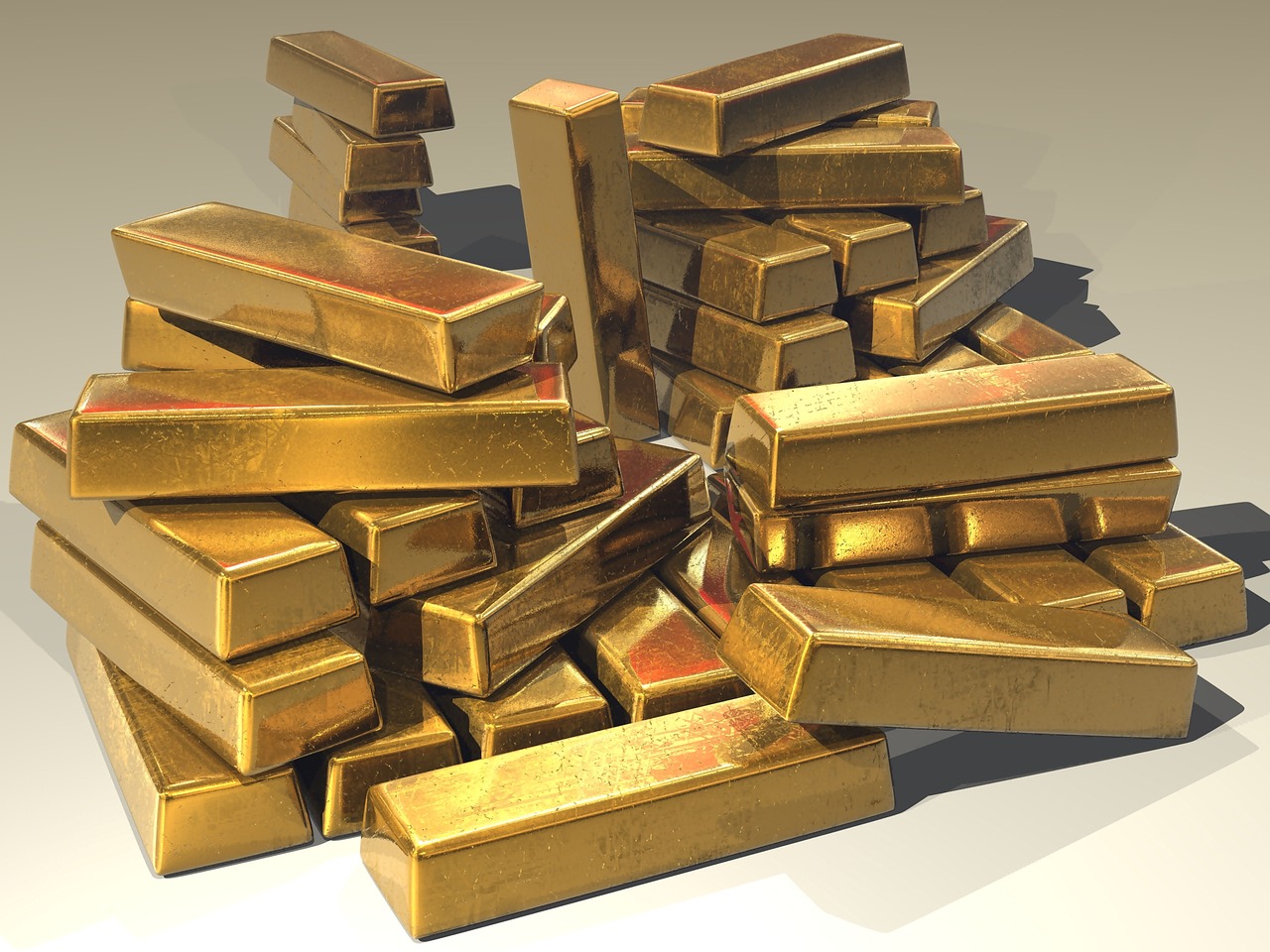
PDBC Commodity ETF Surges 50% on Crude's Run to 98th Percentile
The Invesco PDBC commodity ETF has returned 50% over twelve months as crude oil climbed to the 98th percentile of its historical range. The rally, concentrated in energy futures, raises the question of whether the gains can hold.
Copper to average $10,500 per tonne on LME in 2026 as mine disruptions fuel deficit
Reuters poll forecasts $10,500/tonne average in 2026, up 7.2% from July forecast, as mine disruptions create 150,000-tonne deficit
Gold's 12% Iran sell-off is a rates story, not a haven failure
Gold has fallen 12 per cent since the Iran conflict began, defying the safe-haven script. ING's Ewa Manthey says the sell-off is a macro story — real yields and a strong dollar — not a structural failure. J.P. Morgan and the ECB see central bank demand keeping the bull case intact.
Gold was supposed to rally on war. It fell 12 percent instead.
Since Iran's military escalation began in March 2026, gold has fallen 12% — defying every historical crisis playbook. The mechanism that broke the trade isn't a mystery, but it rewrites the outlook for the world's oldest safe haven.
Gold pushes toward $4,800 as oil slide and lower yields fuel rally
Spot gold traded near $4,750 per ounce late Friday, within striking distance of the $4,800 mark, as a sharp selloff in crude oil eased inflation expectations and pulled US Treasury yields lower. The move tees up a test of the 50-day moving average at $4,780.
Oil pushes higher, gold erases gains after US and Iran trade weekend threats
Oil prices pushed higher and gold surrendered its recent gains after Washington and Tehran traded threats over the weekend, the latest blow to a seven-week-old ceasefire that had briefly raised expectations the Strait of Hormuz would reopen.
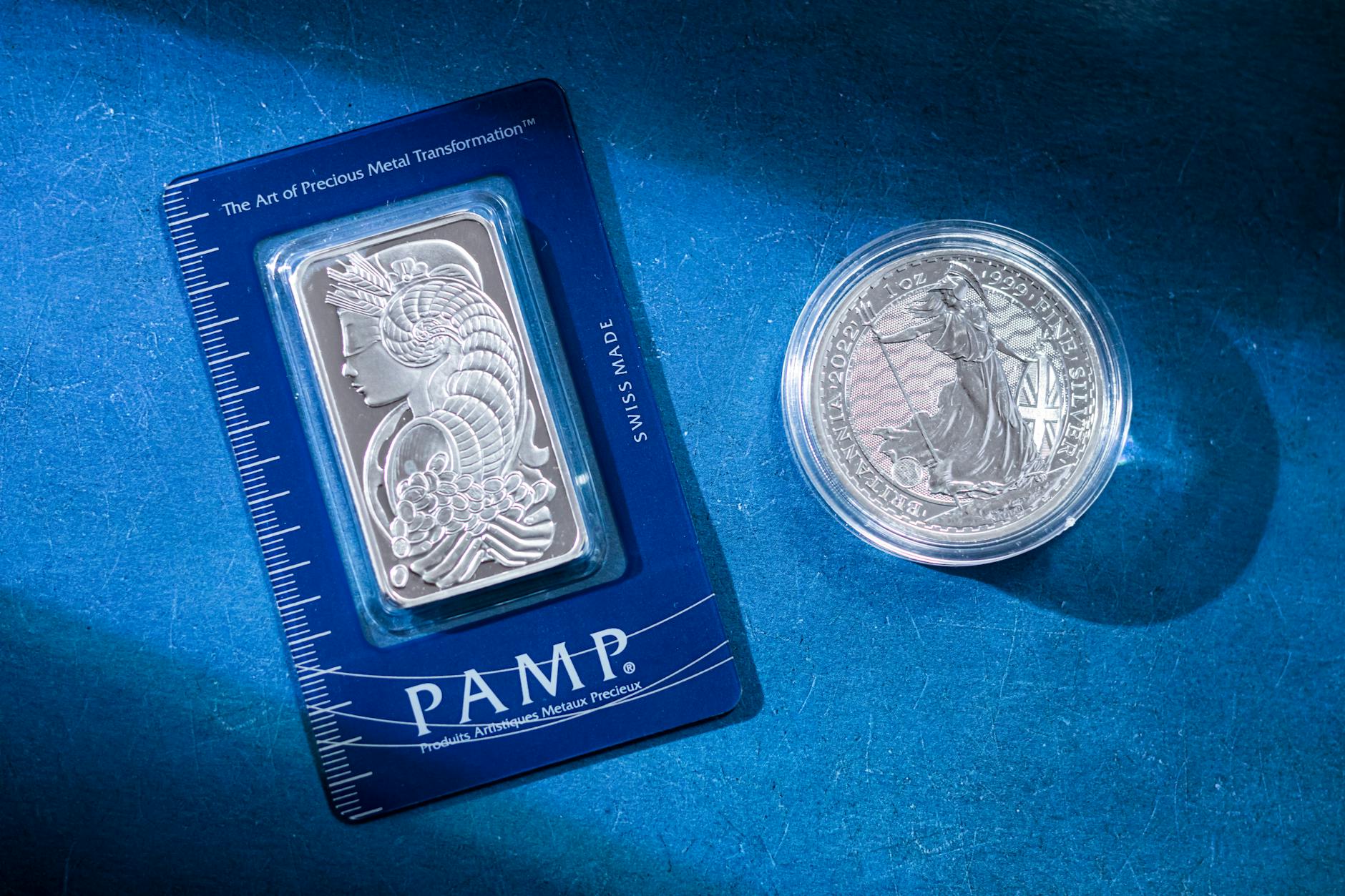
Gold and silver stall below $4,800 and $80 as Iran MOU meets Fed pause
Spot gold closed Friday at $4,720.45 and silver at $80.38, weekly gains of 1.96 and 5.78 per cent driven by a White House memorandum to Iran. Both metals stalled at resistance after April payrolls printed 115,000, locking the Fed's pause in place.
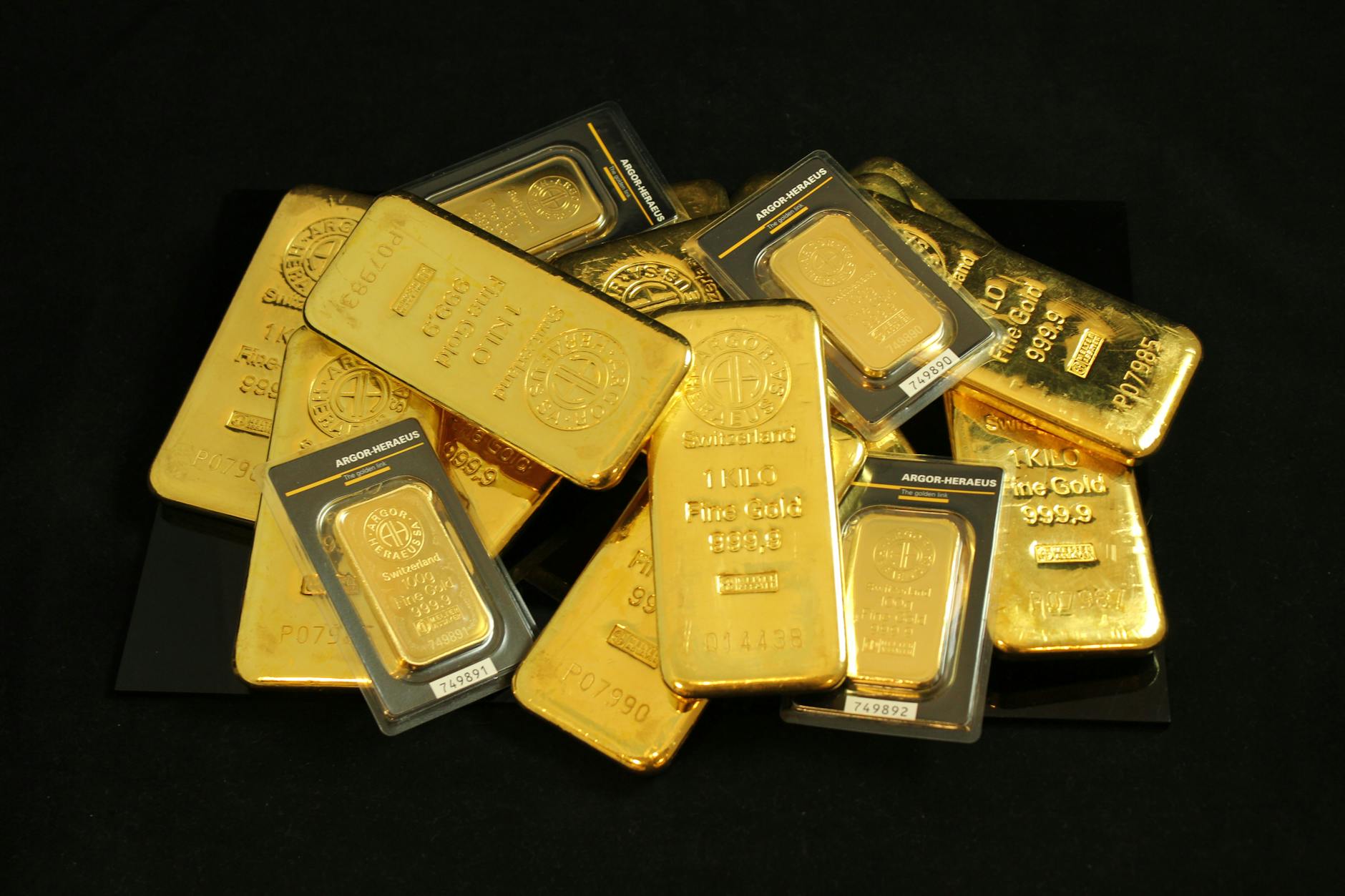
Gundlach urges 20% cash, 20% commodities as 2026 Fed cuts fade
DoubleLine Capital chief investment officer Jeffrey Gundlach told Bloomberg the Fed will not cut rates in 2026 and that investors should hold 20 per cent in cash and 20 per cent in commodities. He would buy gold below $3,500 an ounce.
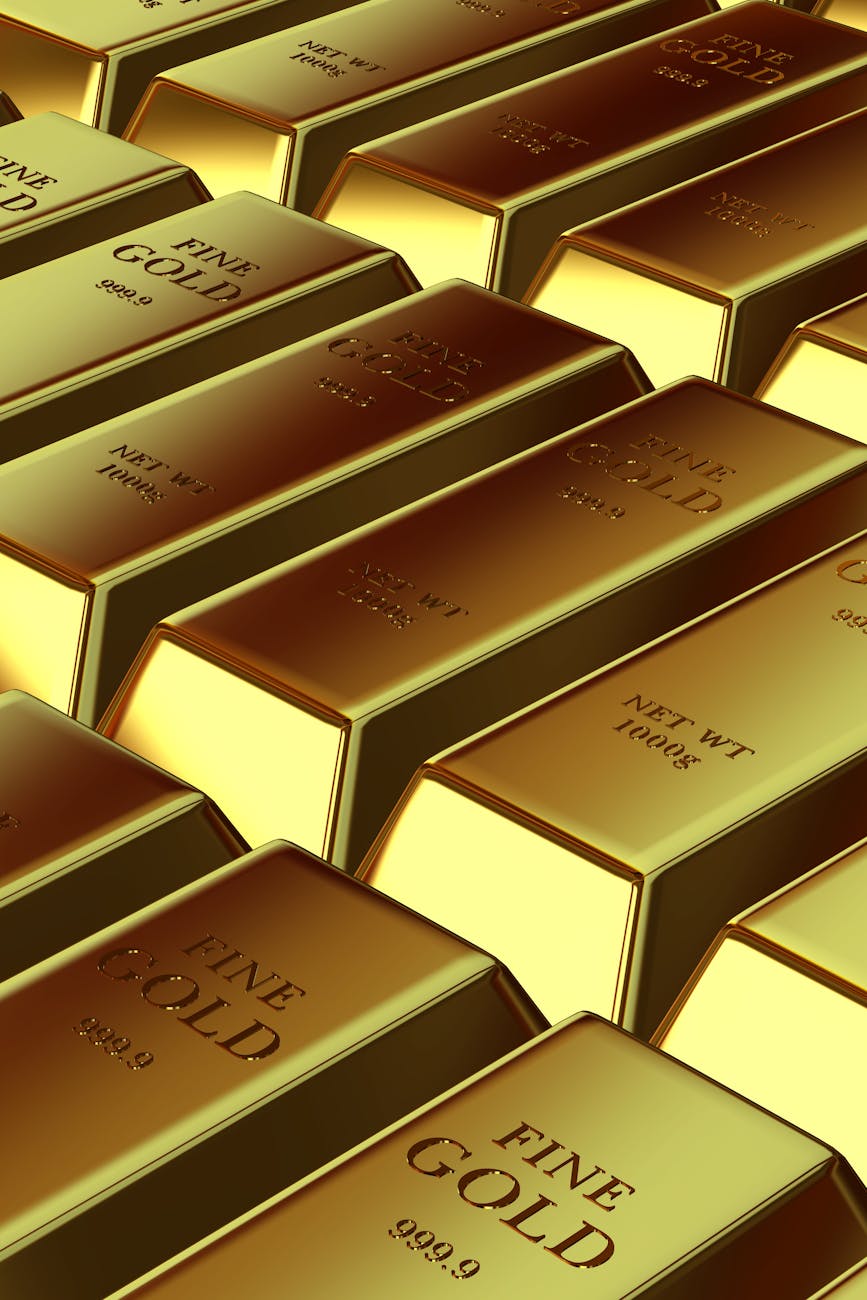
Kinross (KGC) Q1 free cash flow tops $840m on doubled gold-price margins
Kinross Gold delivered $837.5 million of attributable free cash flow in Q1 as a $4,873 average realised gold price drove margins per ounce up 92 per cent. Shares jumped about 7 per cent in premarket trading on April 30.
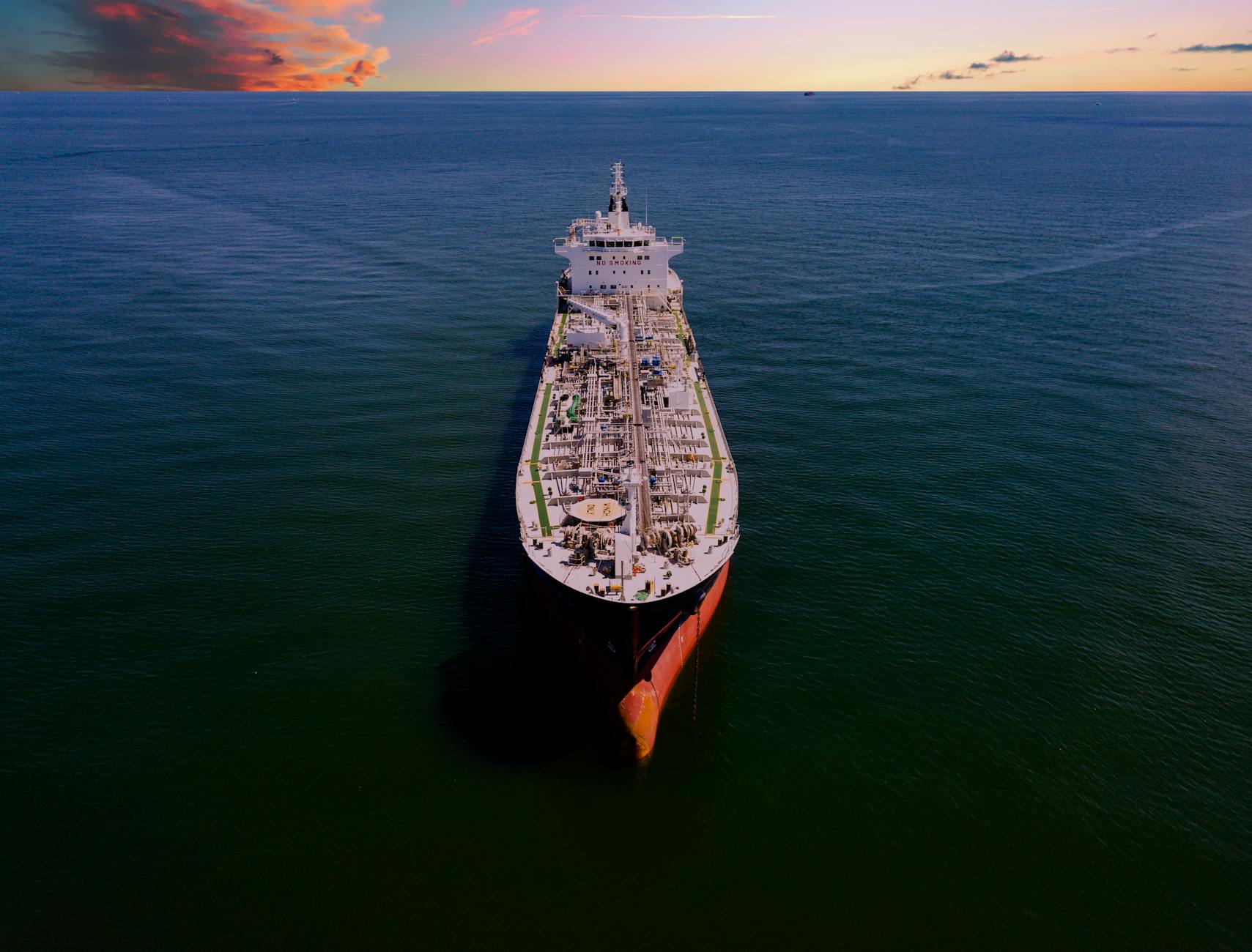
Wirth says physical oil shortages near, calls Hormuz disruption 1970s-scale
Chevron CEO Mike Wirth told the Milken Institute Global Conference on Monday that physical oil shortages will surface globally and that economies will have to slow, comparing the Strait of Hormuz closure to the 1970s oil crises.
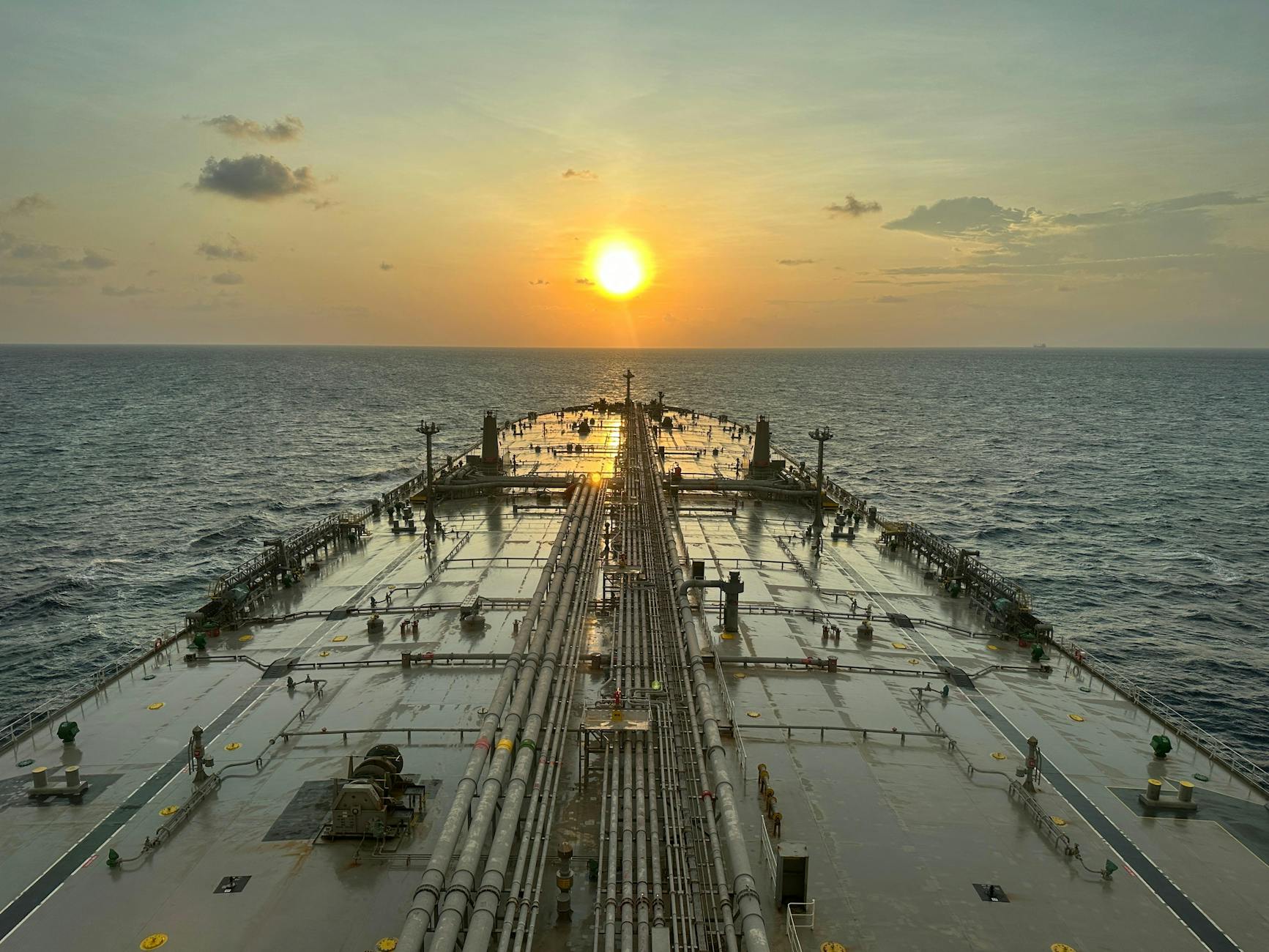
Gold heads for 2.1% weekly gain on US-Iran de-escalation hopes
Gold rose to $4,709.89 an ounce on Friday and was on track for a 2.1% weekly gain as growing optimism over a US-Iran resolution lifted the metal, though one analyst said it is trading more like a risk asset than a traditional safe haven.
Gold bucks safe-haven status with 14.5 per cent decline since Iran war began
Gold has fallen 14.5 per cent since the Iran conflict started, defying its traditional safe-haven status as the oil shock suppresses rate cut expectations and pushes real yields higher.

Gold climbs to $4,734, eyes $4,750 breakout as Fed fears ease and central banks keep buying
Gold rose $23.60 to settle at $4,734.50 per troy ounce on COMEX on Friday, positioning the precious metal for a weekly advance as easing fears about aggressive Federal Reserve tightening drew buyers back into the market.
Silver tops $80 as gold runs to $4,742 on US-Iran memorandum and softer payrolls bid
Spot silver pushed above $80 an ounce on Thursday and gold reached $4,742 in New York after fresh reporting of a US-Iran diplomatic memorandum sent crude lower and pulled the dollar back. The gold-silver ratio compressed from 62.5 to 61 in two sessions.
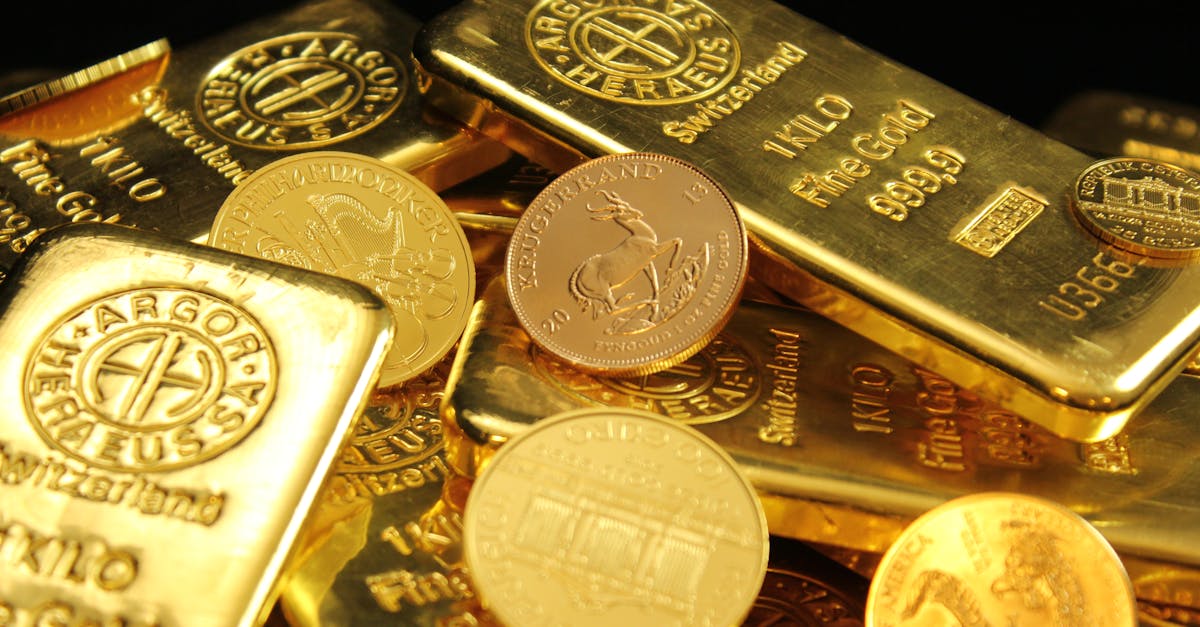
Brent crude back above $100 as US-Iran clash resumes in Strait of Hormuz
Brent crude settled near $100.06 a barrel on Thursday after fresh fighting between US and Iranian forces in the Strait of Hormuz unwound a one-day rally on ceasefire hopes, with WTI ending near $93.60 and traders rebuilding the war-risk premium they had pared 24 hours earlier.