Oil Edges Higher as Trump-Xi Summit Holds Hormuz Key
Brent crude settled at $105.76 a barrel as the Trump-Xi summit in Beijing kept the Strait of Hormuz in focus, with the IEA warning supply losses from the Iran war have passed 1 billion barrels.
Oil edged higher on Wednesday as investors tracked the second day of talks between US President Donald Trump and Chinese President Xi Jinping in Beijing, with the 10-week closure of the Strait of Hormuz keeping a floor under crude prices.
Brent crude futures settled at $105.76 a barrel on the Intercontinental Exchange, up 13 cents or 0.12 per cent. West Texas Intermediate gained 12 cents to $101.14 a barrel on the New York Mercantile Exchange. Both benchmarks have held above $100 since the final week of March, the longest stretch above that threshold since the early weeks of Russia’s 2022 invasion of Ukraine.
The Trump-Xi summit, which began Tuesday and marks the first face-to-face meeting between the two leaders since the US ordered strikes on Iranian nuclear facilities on 28 February, is being watched closely by crude markets. The formal agenda spans trade tariffs, Taiwan and, most critical for oil, the path to reopening the Strait of Hormuz. China remains Iran’s largest oil buyer and one of the few nations with diplomatic leverage over Tehran.
Traders surveyed by Reuters said any signal of progress from Beijing could trigger a $5 to $7 sell-off, while a breakdown in talks or a military escalation near the Strait would likely push Brent through $115 a barrel for the first time since the opening weeks of the conflict.
The International Energy Agency underscored the stakes in its May Oil Market Report, calling the war the most severe supply shock to global oil markets in decades. Total production losses from Gulf states since 28 February have reached 12.8 million barrels a day, the agency estimated, with Gulf output running 14.4 million barrels a day below pre-war levels. Cumulative lost barrels have passed 1 billion, the IEA calculated, equivalent to nearly 10 days of pre-war global consumption.
IEA Executive Director Fatih Birol delivered his most explicit warning yet on the permanence of the damage. “The vase has been broken,” Birol told reporters in Paris this week. “You can’t glue it back together.” His remarks reflect the agency’s central finding that even an immediate diplomatic resolution would not restore pre-war flow patterns, as insurers, charterers and refinery buyers have rewritten risk models that took decades to build.
The Strait calculus
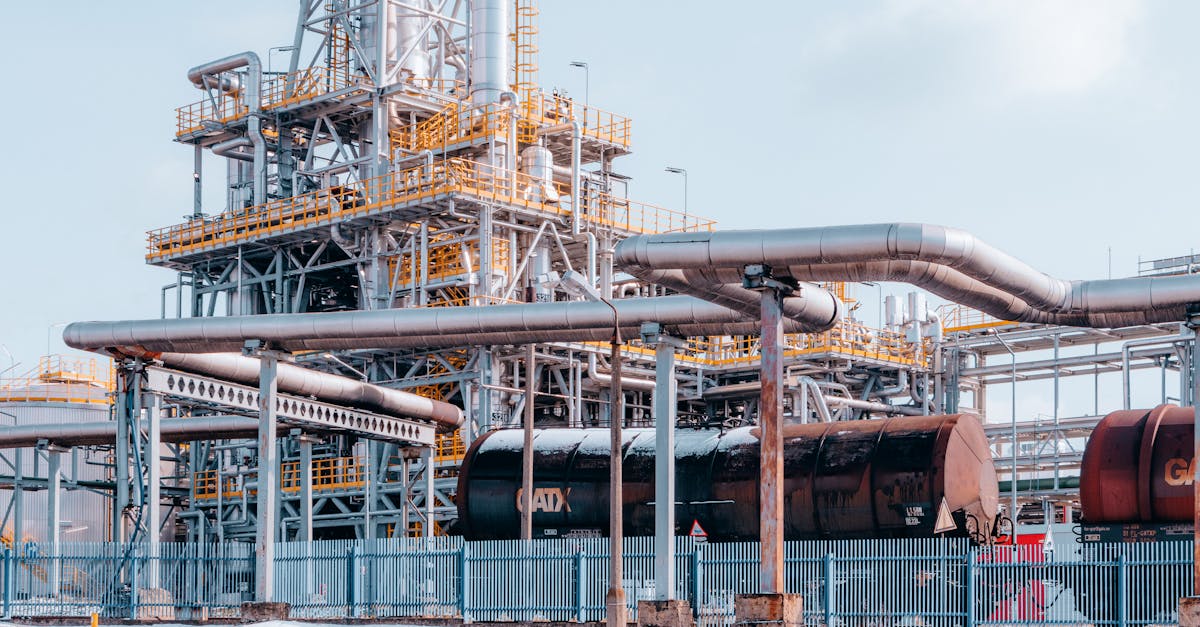
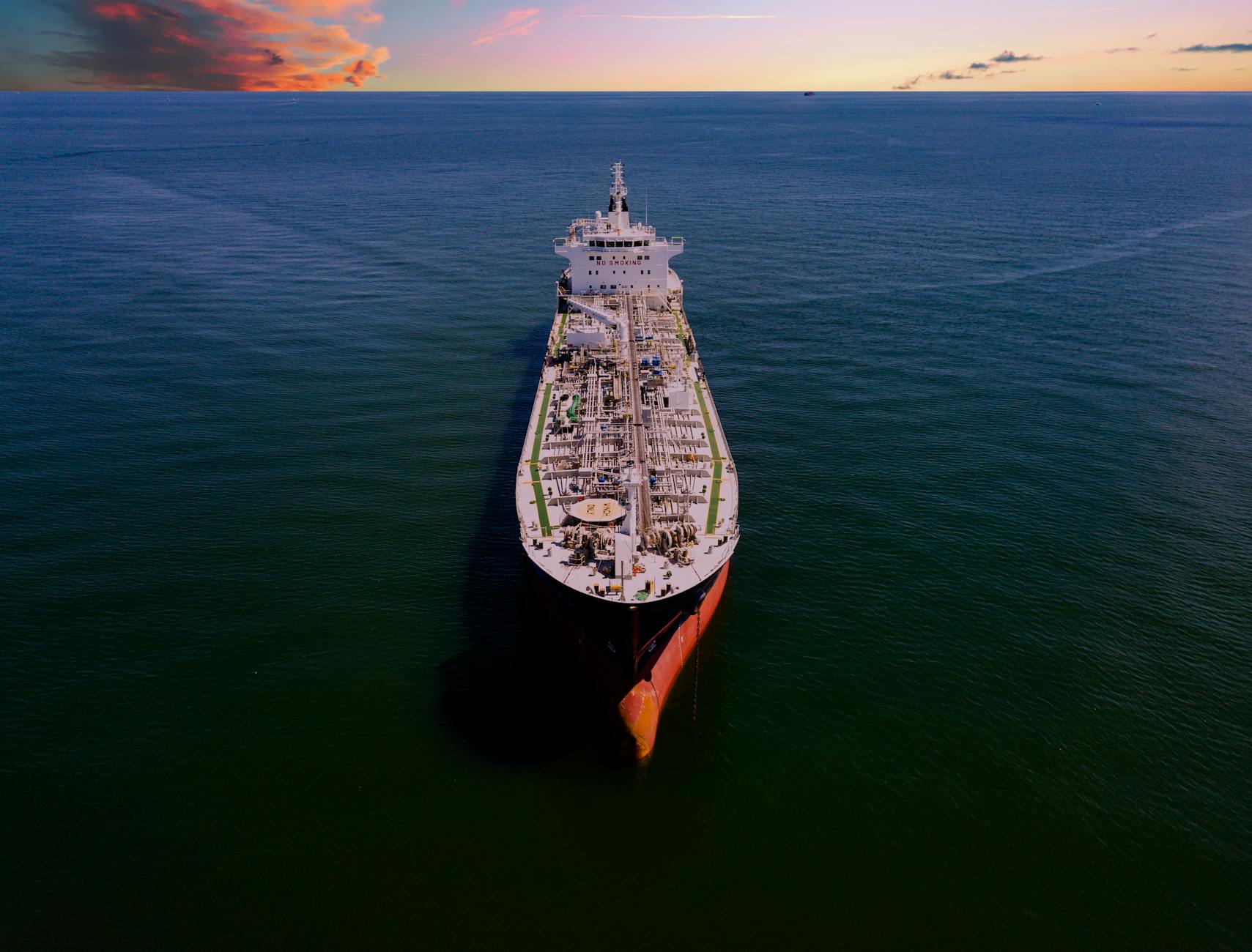
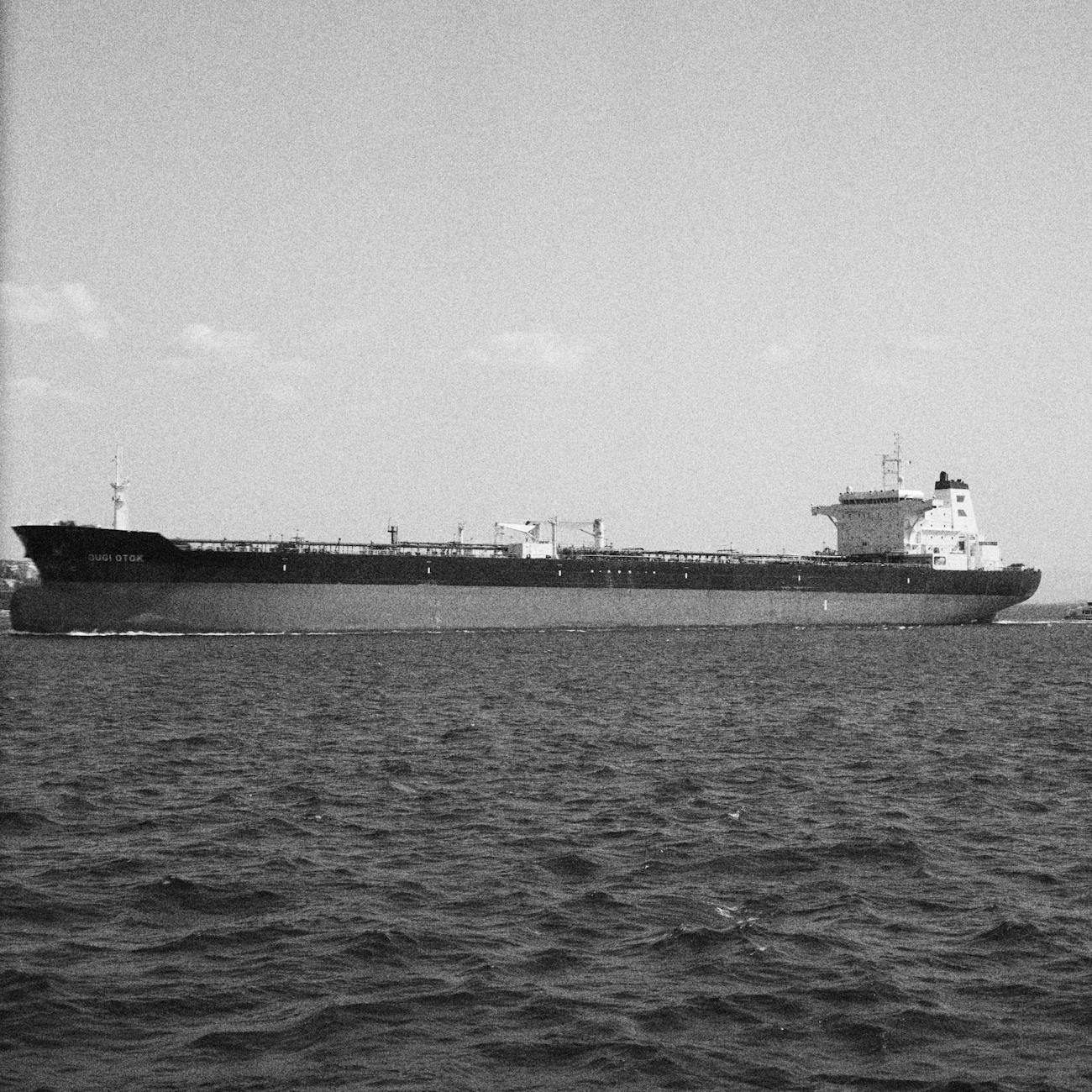
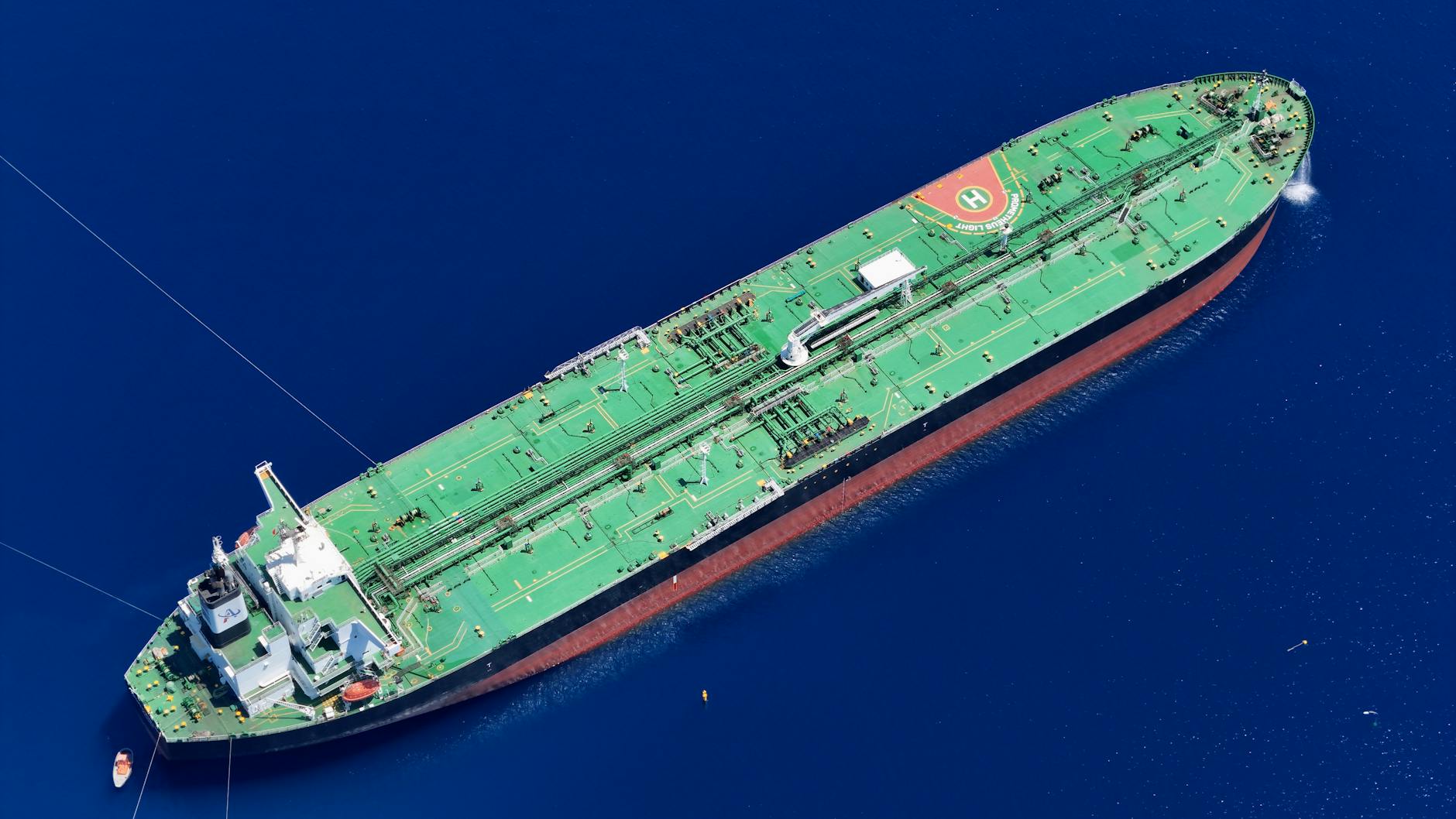
The Strait of Hormuz has been effectively closed to compliant commercial traffic since late February. Only Iranian-escorted tankers and a small number of high-risk independent vessels continue to transit the 21-nautical-mile-wide waterway. Lloyd’s List reported last week that roughly 200 compliant tankers remain stranded in the Persian Gulf, unable to secure war-risk insurance or naval escort for passage through the conflict zone.
“Failure to make meaningful progress on reopening the strait could leave the US with few options other than renewed military action,” said Tony Sycamore, market analyst at IG, in a note to clients on Wednesday. The alternative, a protracted blockade, would tighten supply further and test the limits of the 180-million-barrel drawdown from the US Strategic Petroleum Reserve authorised in March, which has already been significantly depleted.
US crude inventories fell 5.2 million barrels last week to 428 million barrels, the Energy Information Administration reported on Wednesday, marking the ninth consecutive weekly draw and pushing commercial stockpiles to their lowest level since 1985, according to CNBC.
Morgan Stanley’s global head of commodities research, Martijn Rats, framed the situation as a contest with storage maths. “The global oil market is now in a race against time,” he wrote in a note to clients. “Every week the Strait stays closed, the statistical tightness compounds.”
What the numbers show
Saudi Arabia, the UAE and Kuwait have diverted exports through alternative corridors, principally the East-West Pipeline across Saudi Arabia to the Red Sea and Fujairah’s Indian Ocean bunkering terminal, but combined bypass capacity remains well short of the 17 million to 20 million barrels a day that normally transit Hormuz.
Brent’s six-month time spread widened to $8.40 a barrel in backwardation on Tuesday, the steepest since early April, according to ICE data. The spread has more than doubled from $3.60 at the start of April, tracking the steady erosion of available supply as alternative Gulf export routes hit capacity limits. A widening backwardation, where near-month contracts trade at a premium to deferred months, signals that physical barrels are becoming harder and more expensive to source, consistent with a market that is draining inventories faster than they can be replenished.
The IEA’s report also flagged the cascading effect on refined products. Asian refining margins for diesel and jet fuel have risen to multi-year highs as buyers across Japan, South Korea and India compete for non-Gulf cargoes, pulling tankers from the Atlantic Basin and raising freight costs globally.
The summit’s joint communiqué, expected Thursday afternoon Beijing time, will be parsed for any mention of maritime security guarantees or third-party escrow mechanisms for Gulf passage, the minimum conditions insurers have said they must see to resume Hormuz cover. With Brent anchored above $105 and backwardation steepening, the market is not priced for a quick diplomatic fix.
Reza Najjar
Commodities desk covering oil, natural gas, gold and base metals. Reports from London.