Gold and silver slide as oil jumps on Hormuz fears
Gold and silver fell while crude pushed higher and Treasury yields rose, as traders treated the Hormuz shock as an inflation problem across commodities.
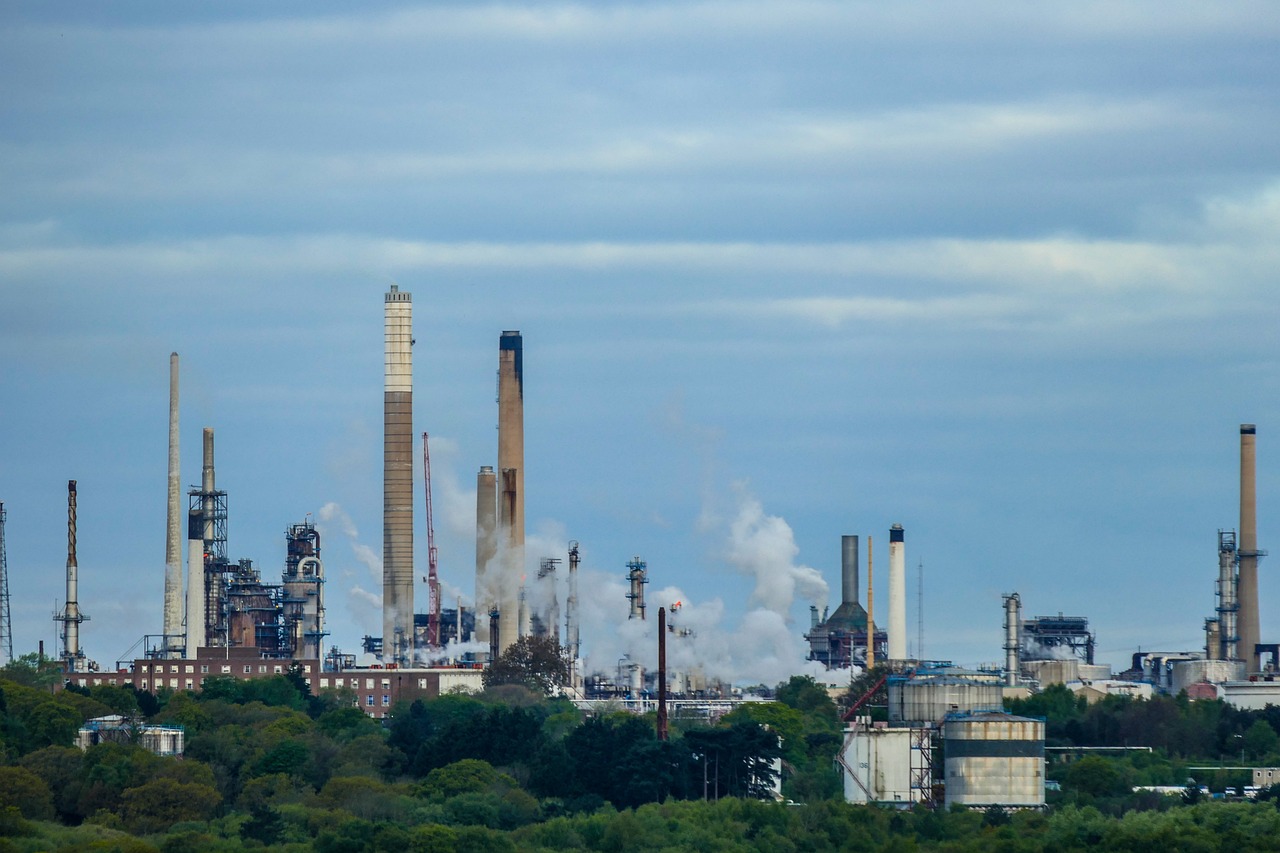
Gold and silver fell sharply on Friday while oil pushed higher. Traders treated the latest Strait of Hormuz scare as an inflation shock rather than a rush into havens.
Spot gold was down about 2 per cent and spot silver 6.5 per cent, according to CNBC’s cross-asset market report. U.S. crude settled at $105.42 a barrel, up 4.2 per cent, in trading tracked by Reuters. Rates upended the usual safe-haven script, sending the two halves of the commodity complex in opposite directions.
CNBC said the U.S. 10-year Treasury yield rose almost 9 basis points to 4.544 per cent, raising the opportunity cost of holding non-yielding metals just as oil’s rally hardened the market’s inflation expectations. Brent crude traded near $107 a barrel, according to Moneycontrol’s commodity roundup, spilling into broader price forecasts.
Lauren Hyslop, an investment manager at Mattioli Woods, told CNBC that rising bond yields were again “imposing their will on markets”, tightening financial conditions and draining risk appetite across asset classes. Gold and silver can serve as havens when geopolitical risk flares. They lose that bid quickly, though, when nominal yields rise and the dollar strengthens alongside them.
Friday’s metals move showed the pressure plainly. Gold dropped even though the geopolitical backdrop stayed tense. Silver sold off harder — it trades as both a precious metal and an industrial input, and on Friday both roles came under strain. Evangelia Gkeka, principal of fund research at Morningstar, told CNBC that recent dollar strength and expectations of higher rates had probably contributed to the decline.
Oil kept the inflation trade running. Reuters tied the move to inflation worries alongside U.S.-Iran tensions. Moneycontrol noted Brent had climbed above $107 on concern that any disruption around Hormuz could squeeze crude flows through one of the market’s most sensitive chokepoints. Tom Ross, head of high yield at Janus Henderson Investors, told CNBC that investors were repricing oil “higher for longer” and building in a more persistent inflation backdrop.
The price action pointed in two directions at once. Commodity traders, reading the session through CNBC, Reuters and Moneycontrol, appeared to be thinking first about fuel costs and second-round inflation effects. The simultaneous rise in Treasury yields reduced the appeal of sitting in metals that pay no income. Energy led; precious metals took the strain.
Why metals broke with oil
Gold did not behave the way a textbook safe-haven trade would suggest. A higher oil price can support bullion when the market fixates on geopolitical instability. When traders decide the bigger problem is what that oil price does to inflation, bond yields and the path of interest rates, the effect reverses. Gold then has to compete with higher Treasury yields, while silver also absorbs concern about slowing growth if tighter financial conditions bite.
Silver’s steeper fall underscored the logic. Unlike gold, it carries a heavier industrial profile. A sell-off can pick up speed when higher yields signal tighter financing and a tougher demand outlook. CNBC’s 6.5 per cent drop in spot silver, against about 2 per cent for gold, showed traders cutting cyclical metal exposure at the same time as they marked up oil for supply risk.
The move was part of a broader repricing, not an isolated commodity wobble. Reuters said Canada’s main stock index hit a 10-day low as the bond rout unsettled risk assets. CNBC described weakness across bonds, stocks and silver in the same session. The market was not simply rewarding anything that looked defensive — it was sorting assets by how exposed they were to higher rates and stickier inflation.
For commodity traders, the next test is whether crude can hold these levels without a fresh escalation in supply risk, and whether yields stay near Friday’s highs. If Brent remains around $107 and the 10-year Treasury yield holds near 4.544 per cent, gold and silver could stay under pressure even if the geopolitical backdrop remains supportive on paper. If the oil bid fades or bond yields ease, the safe-haven case for metals may reassert itself quickly.
Reza Najjar
Commodities desk covering oil, natural gas, gold and base metals. Reports from London.