Currie cools on gold but keeps broader commodity bull case
Jeff Currie sees near-term downside for gold from higher yields and a firmer dollar even as supply risk keeps his broader commodity bull case intact.
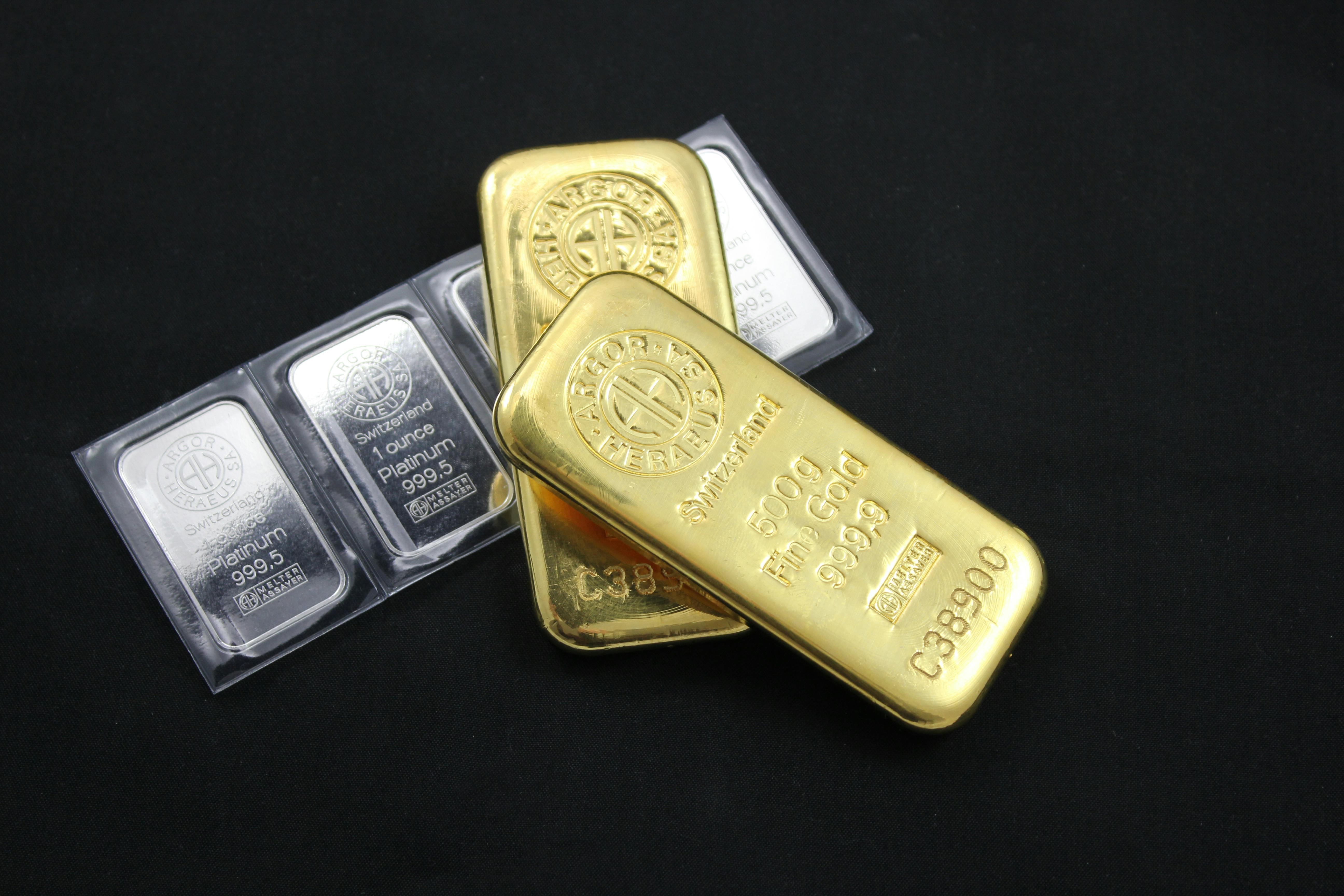
Jeff Currie, one of the commodity complex’s most recognisable bulls, turned cautious on gold Friday as COMEX bullion settled at $4,532, down 3.3 per cent, Invezz reported. Brent crude rose 2.5 per cent to $108.35 on the same session. In a Kitco interview published the same day, Currie said bullion faced headwinds from higher yields, a firmer dollar and the risk that central banks flip from buyers to sellers at the margin.
The divergence matters because investors habitually buy commodities as a single inflation-hedge bucket. Reuters reported in April that gold was already under pressure as a stronger dollar and oil-driven inflation fears pushed attention back to central-bank meetings and real yields. Currie argues those same macro conditions can weigh on bullion while leaving the rest of the commodity trade with more room to run.
Currie is not backing away from hard assets. He told Kitco that “the commodity market represents the biggest asymmetrical trade in global financial markets” — a line aimed at the broader complex, not gold alone. Gold is a monetary metal first. Its price moves quickly on real-rate expectations, reserve-management shifts and foreign-exchange flows. Oil, diesel and other physically tight markets reprice for a different reason: users still need the barrel, the fuel, the feedstock even when financing conditions worsen.
“Get long. Buckle in. Hang on for the ride,” he told Kitco, reserving his most direct call for the markets where supply, inventory and transport constraints can bite harder than the tightening effect of higher yields.
A bearish near-term call on gold does not dismantle the wider commodity argument. If the opportunity cost of holding bullion is rising, the metal can stall during a geopolitical shock. If supply risk is climbing at the same time, energy and industrial inputs keep repricing because the problem is availability, not sentiment.
Bullion responds on a different timetable. A jump in oil tightens financial conditions before it produces the policy pivot or dollar reversal that ordinarily gives gold stronger support. Investors who bought both exposures are holding trades that can diverge for longer than a simple inflation narrative suggests.
Why gold can lag
Currie laid out the physical-market argument in an Energy Aspects discussion with interviewer Amrita Sen. “There’s a big difference between a deficit and a shortage,” he said. A market can look tight on paper and still function if inventories, freight routes and substitution options absorb the strain. Once the shortage becomes operational, prices respond to scarcity rather than positioning.
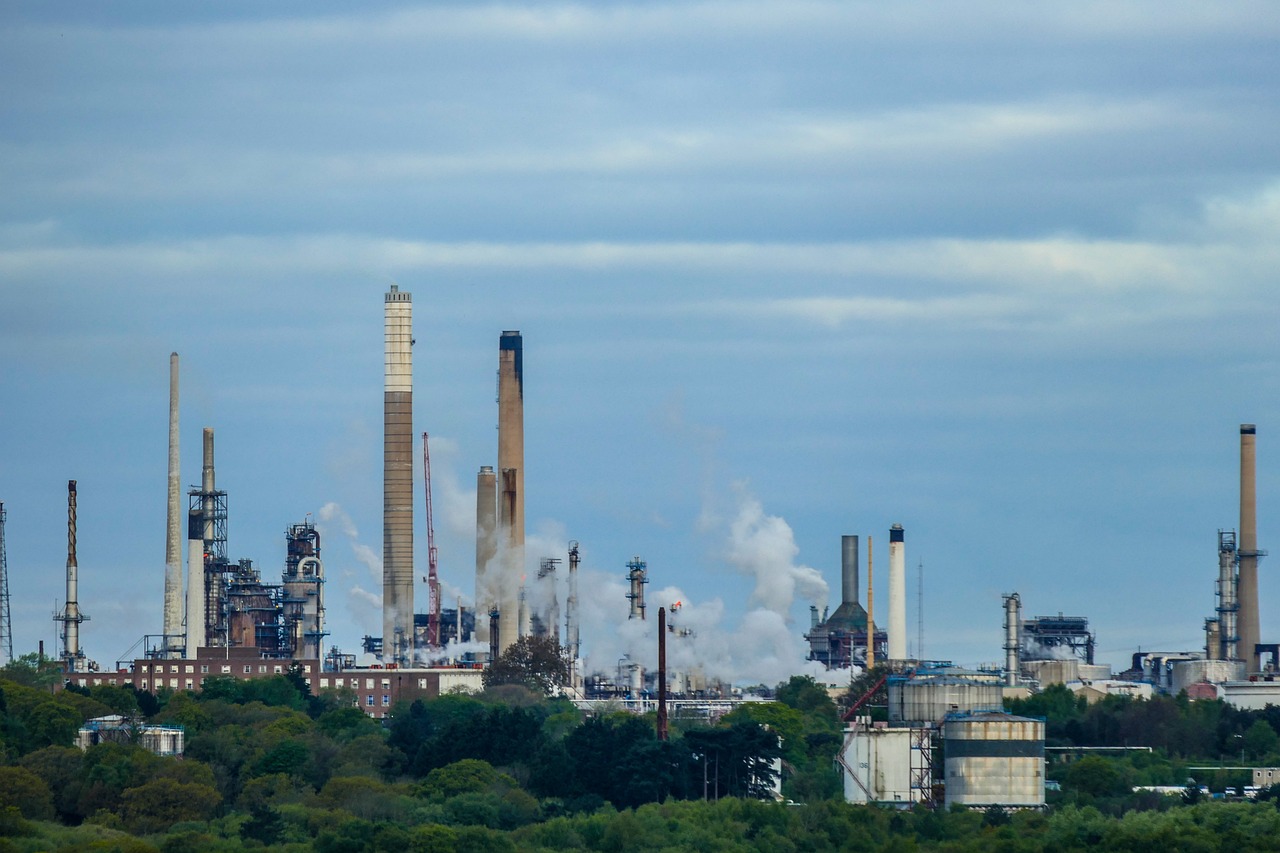
Clyde Russell wrote for Reuters in March that the variable that mattered in oil was not the OPEC+ April output increase of 206,000 bpd but how long any Hormuz disruption lasted. About 20 million bpd of crude and refined products move through the strait, Russell noted. A prolonged interruption would hit refinery planning, shipping economics and import cover faster than the headline supply numbers suggest. That analysis runs parallel to Currie’s insistence that the back end of the oil curve still underprices physical risk.
The session itself showed that split in motion. Silver fell 10.1 per cent to $76.77 on May 15 while Brent added 2.5 per cent, Invezz’s commodity wrap noted. One session does not settle a strategic debate, but the market was already separating real-yield-sensitive metals from assets tied more directly to supply disruption.
Policy sensitivity keeps bullion in a different lane. When Treasury yields rise and the dollar firms, the hurdle rate for owning a non-yielding metal goes up. Reuters’ April report on gold pointed to that mechanism. Currie’s additional warning about forced central-bank selling adds a source of pressure that oil and refined products do not face in the same way.
Timing separates the two trades further. In Currie’s view, gold may need a macro reset before it resumes leadership. The wider complex does not need that reset if the immediate catalyst is physical. That is why his enthusiasm sits with long-dated oil and other hard assets that can absorb geopolitical and underinvestment premiums sooner than bullion can.
What the rotation means
Goldman’s note on inflation hedges makes the point directly: commodities protect against supply shocks because energy and industrial inputs are embedded in the price system itself. Gold can still hedge policy error, currency distrust or reserve diversification, but its reaction function differs. Treating every commodity allocation as a gold proxy misses that gap.
For an allocator, 2026 is a more selective real-asset story. A gold position remains a view on monetary conditions, official-sector demand and the dollar. A broader commodity sleeve is a view on whether supply chains, shipping lanes and underinvestment keep the physical complex tight. Currie’s split view forces those trades apart after several years in which they were often bundled together.
His bullishness on commodities survives a weak gold tape. Currie is arguing that inflation protection may come from the parts of the commodity market that policymakers and consumers cannot easily sidestep — especially if Hormuz risk keeps crude elevated and distillate markets tight. The physical side of the commodity complex can keep moving before financial markets fully price the shortage risk, regardless of whether bullion stages the next safe-haven rally.
The Kitco interview and the Energy Aspects discussion together point investors toward reading each hard-asset move on its own terms. Gold can pause. The wider commodity thesis can keep building.
Reza Najjar
Commodities desk covering oil, natural gas, gold and base metals. Reports from London.