Copper to average $10,500 per tonne on LME in 2026 as mine disruptions fuel deficit
Reuters poll forecasts $10,500/tonne average in 2026, up 7.2% from July forecast, as mine disruptions create 150,000-tonne deficit
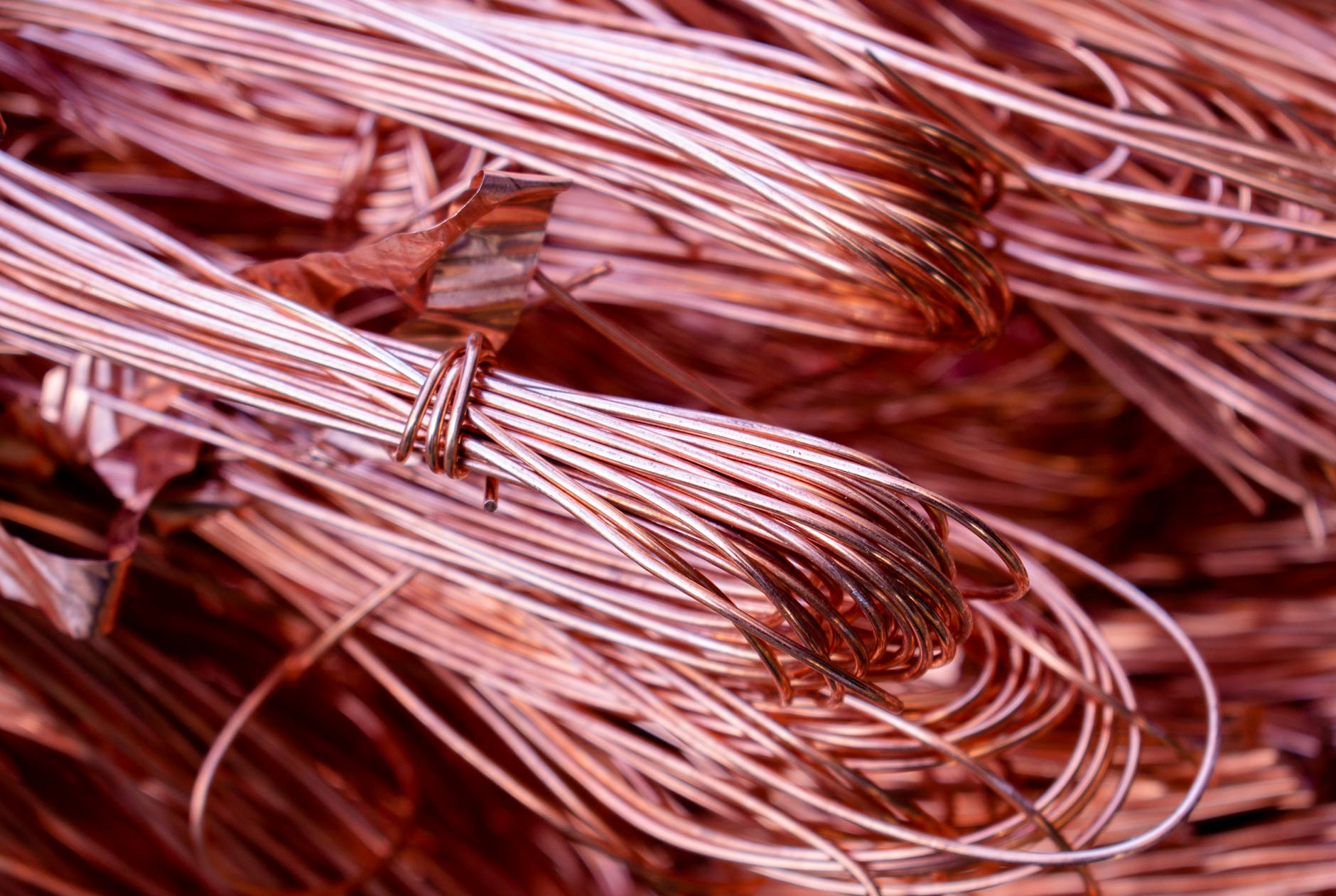
Copper will average $10,500 per tonne on the London Metal Exchange in 2026, according to a Reuters poll of 30 analysts, a 7.2 per cent jump from the previous July forecast of $9,796 per tonne.
The upward revision reflects a supply picture that has tightened faster than expected. Mine disruptions across major producers have shifted the refined copper market into a 150,000-tonne deficit next year, reversing earlier expectations of a surplus, as reported by Shanghai Metals Market.
“We expect copper to hold onto its recent gains and sustain these into 2026 and beyond,” Matthew Sherwood, head of base metals at the Economist Intelligence Unit, said in the poll. “Recent developments now suggest the refined copper market will begin to tighten earlier than we previously forecast.”
The deficit outlook marks a sharp reversal from the July survey, when analysts still anticipated a small surplus. For 2025, the market balance has flipped to a 124,000-tonne deficit, down from a previously forecast surplus.
Six months ago, the consensus view was that copper would move from deficit to surplus by 2025 as new mine capacity came online. Instead, the market is moving deeper into deficit.
The deterioration in supply comes as production issues compound at key mines. Concentrate availability has tightened enough to force smelters to compete aggressively for feedstock, even as demand from the clean energy sector remains robust.
Sherwood’s view matches concern across the analyst community. The supply shortfall could keep prices elevated through 2026 and potentially into 2027.
What changed
The July poll captured a market still anticipating a modest surplus of 57,000 tonnes for 2025. That projection assumed smooth operations at major mines and stable smelter capacity. Neither assumption held.
Production problems emerged at multiple sites. Concentrate shortages have forced some smelters to reduce throughput, while maintenance outages and technical issues have constrained output elsewhere.
The 7.2 per cent upward revision to the 2026 price forecast is the median view across the 30 analysts surveyed. Their forecasts ranged from $9,000 to $12,000 per tonne, reflecting substantial uncertainty over how quickly supply can recover from the current disruption cycle.
The LME three-month copper contract has been trading in a range around the $10,000 mark in recent sessions. The new median forecast suggests the market has already priced in much of the 2026 upside, but that prices could hold at current levels rather than retreat.
The demand picture remains supportive. Copper is a critical metal for electric vehicles, renewable energy infrastructure, and grid upgrades. Those end-markets continue to expand, even as economic growth moderates in some regions.
Demand from China, the world’s largest copper consumer, remains a key variable. Chinese buyers have been drawing down on stockpiles rather than buying aggressively on the spot market. That pattern could shift once inventories are depleted.
What analysts are watching
The supply side carries the most risk. Any further production disruptions would tighten the market beyond the current 150,000-tonne deficit projection. Conversely, smoother operations at troubled mines could ease the shortfall.
Concentrate treatment charges—fees paid to smelters—have climbed as supply tightens. That squeeze on smelter margins could force further capacity cuts if the market remains oversupplied with concentrate but short of refined metal.
Another factor is the timing of new mine projects. Several large-scale developments are scheduled to come online between 2026 and 2028, but delays could extend the deficit period and keep prices elevated longer than the current forecast assumes.
China remains central to the outlook. The country has shown signs of demand softening, yet its push into renewable energy and EVs continues to underpin consumption. A rebound in Chinese imports once stockpiles are drawn down could tighten the market further.
The Reuters poll reflects a broader shift in market expectations. Six months ago, analysts were debating when copper would peak. Now the conversation has shifted to how long elevated prices will persist.
The outlook
The 2026 forecast of $10,500 per tonne is not a ceiling but an average. Volatility remains likely. Any shock to supply or demand could push prices higher in the short term, even if the annual average tracks near the median projection.
For now, the market is in a holding pattern. Prices have stabilized after their recent rally, and traders are watching for signs of whether the supply deficit will deepen or begin to ease.
The next major catalyst will be quarterly production reports from major miners. Any downward revisions to output guidance would support the bullish case. Conversely, confirmation of stable or improving production could ease some of the pressure on prices.
If production issues persist through the first half of 2025, the deficit could widen beyond current projections. That would likely push the 2026 forecast higher in future polls, potentially pushing the median above $11,000 per tonne.
Prices face more upside risk than downside, but the direction will depend largely on whether mines can return to stable production and whether demand holds up in key markets.
Reza Najjar
Commodities desk covering oil, natural gas, gold and base metals. Reports from London.