SoFi stablecoin taps 14.7m members in banking test
SoFi's SoFiUSD rollout puts a bank-issued stablecoin in front of 14.7 million members, testing whether regulated retail banking can absorb crypto rails without reviving old compliance fears.
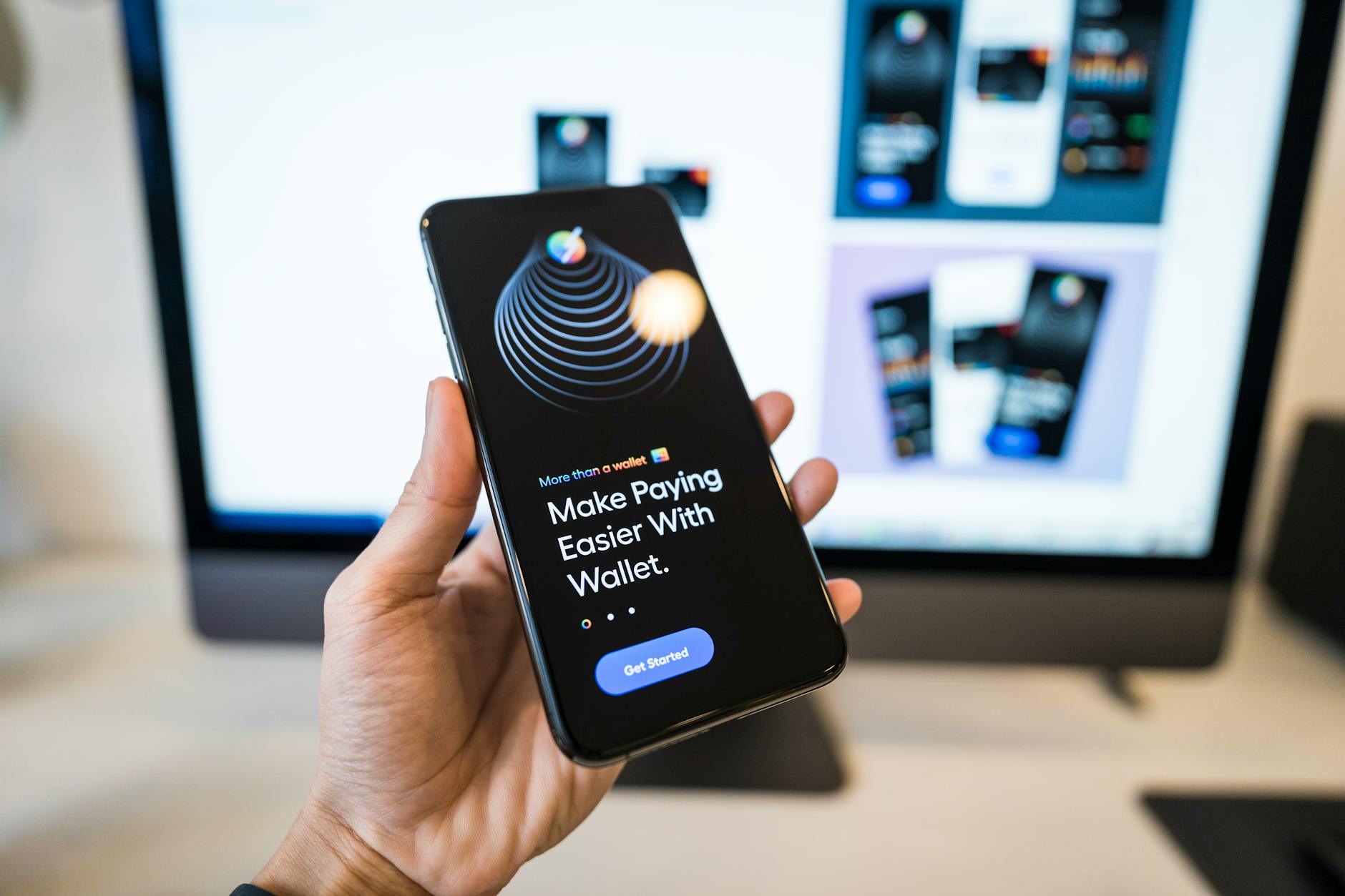
SoFi said it launched SoFiUSD on Tuesday inside its banking app, putting a bank-issued stablecoin before 14.7 million members. The move turns a familiar crypto-market tool into a retail banking test: whether a regulated consumer-finance platform can make blockchain-based dollars feel like an ordinary account feature.
Stablecoins usually surface in stories about exchange settlement and trading liquidity. In this case, the distribution channel is a retail app used for saving, borrowing and investing. CoinDesk reported that SoFi is pitching the token as a mainstream finance product rather than a niche crypto add-on.
“People no longer have to choose between blockchain technology and regulated banking products.”
— Anthony Noto, chief executive of SoFi, via Business Wire
According to SoFi’s announcement, SoFi Bank issues the token and holders can redeem it 1:1 for US dollars through the bank. The company said it runs on a public blockchain, which sets it apart from a closed-loop rewards token or an internal ledger change. If customers adopt it, SoFi would be showing that a nationally chartered bank can place a blockchain dollar instrument in front of everyday retail users without sending them to a crypto exchange.
That is the competitive angle for banks and fintechs. SoFi already controls customer acquisition, deposits and an app with regular consumer-finance use cases. A stablecoin inside that system could keep transfers and, eventually, some payment flows within SoFi’s ecosystem while strengthening the company’s case that crypto infrastructure can sit inside a supervised balance-sheet business.
The compliance test
Expansion is the harder part. A bank-backed stablecoin still has to get past the compliance concerns that kept many regulated lenders away from public-blockchain products during crypto’s more volatile years. Faster settlement and programmable dollars are part of the appeal. So are internet-native payment rails. But once a bank puts its name on the token, questions about liquidity, redemption and oversight move to the center of the product, not the margins.
A SoFi spokesperson made the charter the main point of distinction. CoinDesk quoted the company saying crypto-native issuers cannot offer the same trust and oversight as a nationally chartered bank.
“SoFiUSD competes by offering what crypto-native issuers cannot: the trust, security and oversight that comes with being a nationally chartered bank.”
— SoFi spokesperson, via CoinDesk
Stablecoin risk, though, is still a live policy debate. Reuters reported last week that the European Central Bank rejected proposals to promote euro stablecoins, saying the instruments remained too risky. The ECB does not supervise SoFi, but the warning shows how little official caution has faded just because the wrapper now carries a bank charter. The same question that dogged earlier crypto-finance experiments remains in place: can digital dollars broaden payments use without creating fresh run, liquidity or supervisory risks when markets are under stress?
For SoFi, the upside is straightforward. A token inside a mass-market finance app could keep more transfers, balances and payment activity under one roof instead of pushing those flows to card networks, exchanges or rival wallets. For other fintech and banking groups, the launch is also a read on whether federally regulated distribution is starting to look like an advantage in digital payments rather than a brake on product development.
Tuesday’s rollout is therefore a test of banking distribution as much as a crypto product launch. SoFi is betting stablecoins can move from specialist market infrastructure into everyday retail finance without reviving the compliance fears that once kept large banks on the sidelines.
Naomi Voss
Banks and deals reporter covering bank earnings, fintech, M&A and IPOs. Reports from New York.