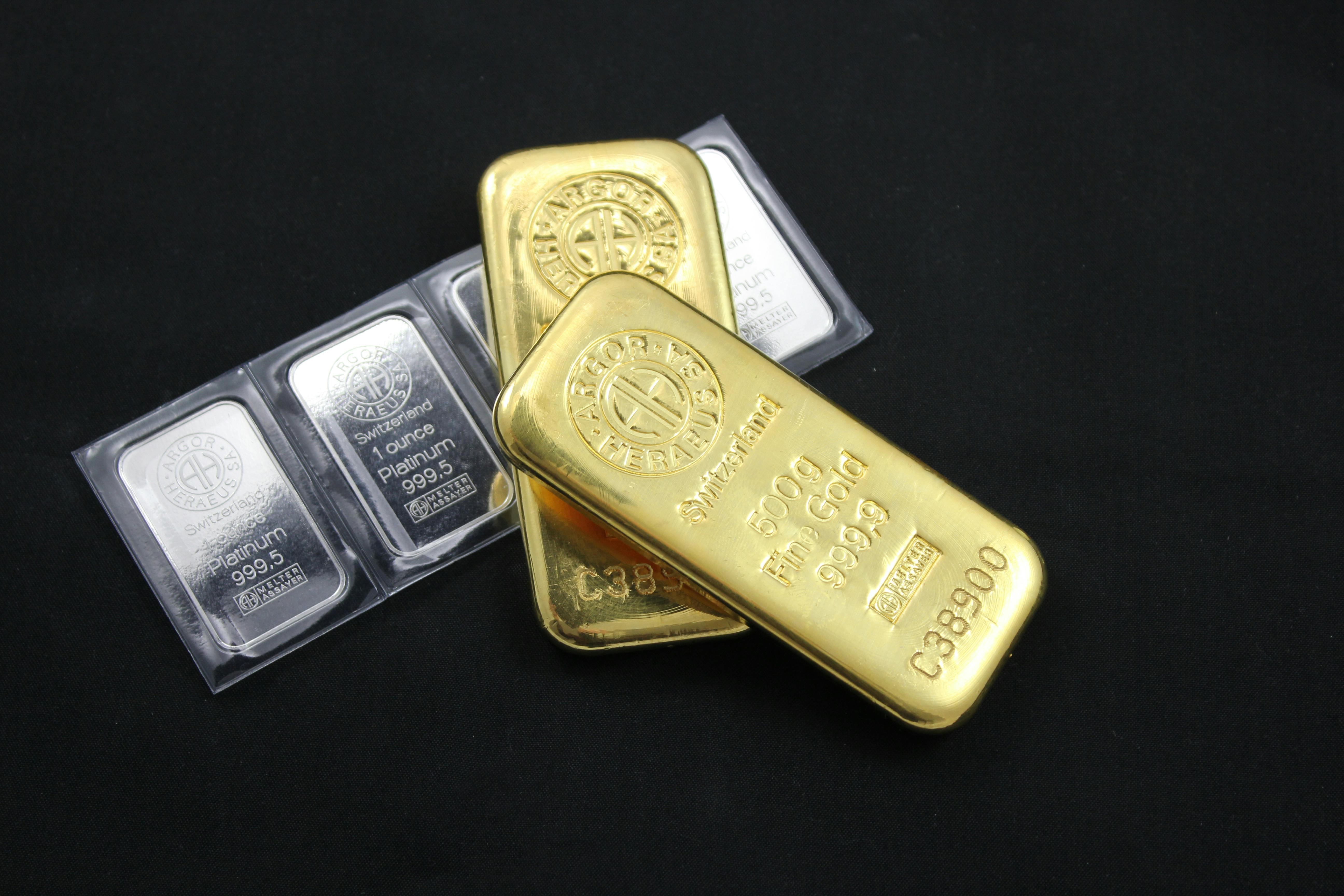
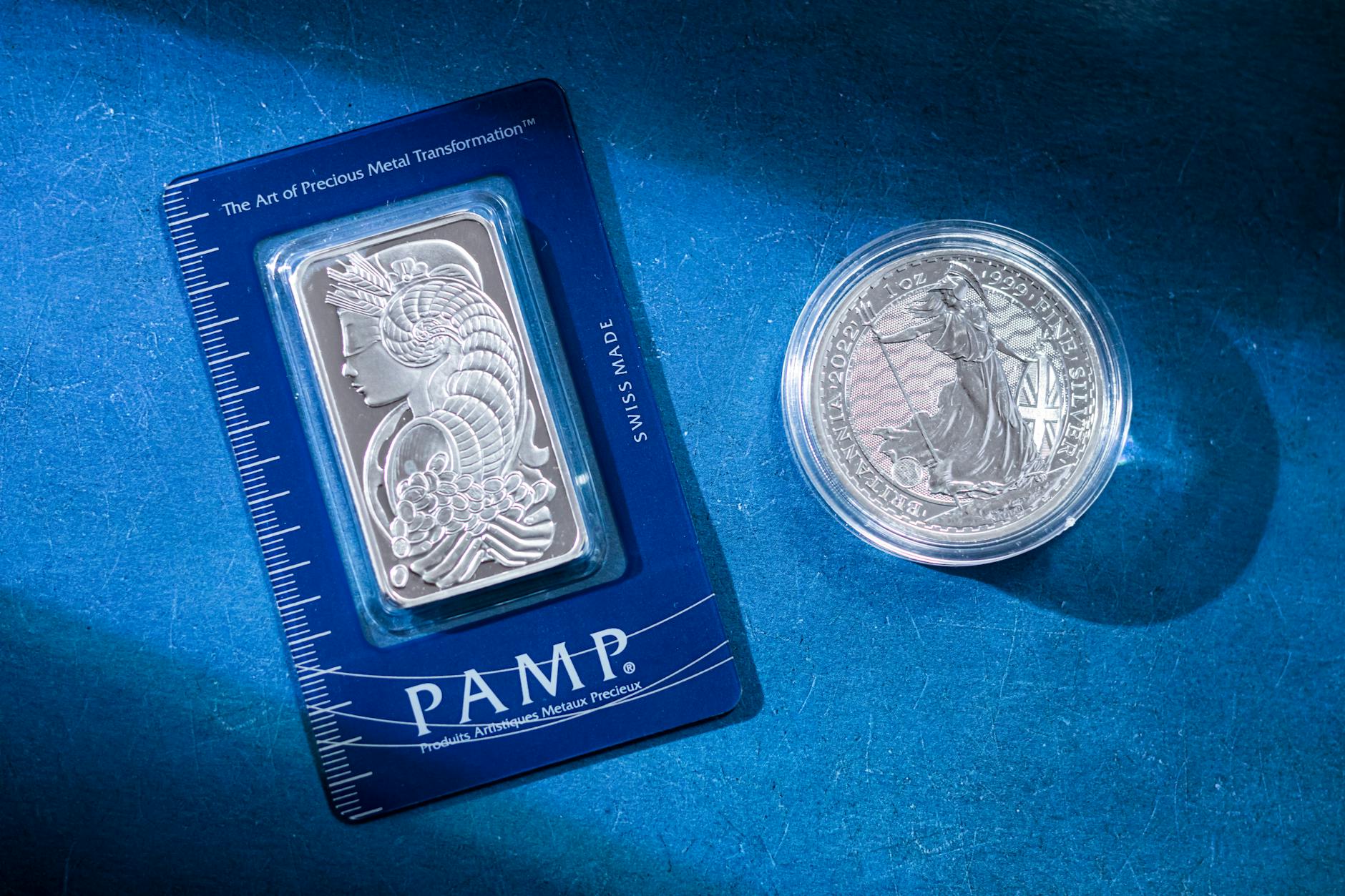
Gold Falls From Three-Week High as Fading Middle East Peace Hopes Lift Dollar
Spot gold slipped 0.8% to $4,698.22 an ounce on Monday, retreating from a three-week high, as deteriorating U.S.-Iran peace talks boosted the dollar and oil prices, undercutting the metal's safe-haven bid.
Gold fell 0.8% on Monday, retreating from a three-week high, as collapsing U.S.-Iran peace talks sent the dollar higher and kept oil prices elevated — undercutting the precious metal’s safe-haven bid even as geopolitical risk intensified across the Middle East.
Spot gold settled at $4,698.22 an ounce, reversing course from the $4,717-plus level it touched earlier in the session, the highest print since April 21. U.S. gold futures for June delivery fell 0.5% to $4,706.10 on the Comex.
The trigger was unambiguous.
President Donald Trump rejected an Iranian diplomatic overture over the weekend, dimming hopes for a near-term ceasefire that had lifted risk assets in the prior session and briefly sent gold toward the top of its recent range. The reversal erased all of Friday’s gains within the first hour of Asian trading.
Against that backdrop, the dollar advanced 0.4% against a basket of major currencies, making bullion more expensive for overseas buyers. Brent crude held in a $103-to-$105 range — still punishingly elevated after weeks of disruption to Strait of Hormuz shipping lanes. The persistent oil premium has added roughly 40 basis points to headline inflation forecasts for the second quarter, according to several sell-side desks.
“The overall driver is rising energy prices once again lifting U.S. bond yields ahead of today’s CPI print, as well as a stronger dollar,” said Ole Hansen, head of commodity strategy at Saxo Bank.
That dynamic marks a sharp departure from gold’s traditional role as a geopolitical hedge. Normally, escalating conflict in the Middle East would send investors rushing into the metal. This time, the primary channel of disruption — constrained oil flows — feeds directly into the inflation expectations that keep the Federal Reserve pinned in restrictive territory. It does not help that the same energy impulse is also lifting the currency in which gold is priced.
CME FedWatch data now shows a 36% probability of a rate increase by March 2027. A month ago, that number sat closer to 24%. Higher rates erode bullion’s appeal by raising the opportunity cost of holding a non-yielding asset. With the dollar strengthening on the same inflation fears, the metal is absorbing pressure from both sides.
“Gold prices continue to reflect a broad sideways consolidation, as markets remain trapped between geopolitical anxiety and rising inflation worries,” said Priyanka Sachdeva, senior market analyst at Phillip Nova.
Holdings in the largest physically-backed gold exchange-traded funds have been flat for three consecutive weeks, according to Bloomberg data, suggesting that institutional money is waiting for a decisive break in either direction before committing fresh capital. Net long positioning on the Comex, meanwhile, edged lower in the most recent Commitment of Traders report — another sign that speculative conviction is thinning inside the range.
Support and resistance in a rangebound market
Hansen pegged support for spot gold ahead of $4,500 and resistance at the 50-day moving average, near $4,757. The metal has now tested both edges of that band within five sessions, a pattern that has defined trading since early April.
At its core, the range reflects a genuine standoff. On one side, the geopolitical bid — a conflict with no visible endpoint — keeps a floor under prices. Aramco CEO Amin Nasser told reporters this week that oil markets would take months to normalize given the sustained disruption to Hormuz traffic. That is a signal, for anyone still looking for one, that energy-driven inflation is not a transient concern.
On the other, persistent dollar strength caps any rally. The greenback has gained against every G10 currency this quarter, drawing inflows from investors who see U.S. assets as the least-bad option at a moment when European and Asian growth forecasts are being marked lower. Gold priced in euros and yen has held up better than the dollar-denominated benchmark, but the spot market takes its cue from New York.
The CPI wildcard
The May consumer price index, due later Monday, is the next catalyst. A core CPI print above the consensus estimate of 0.3% month-on-month would strengthen the case for the Federal Reserve to hold rates higher for longer — or even resume hiking — and would likely push gold toward Hansen’s $4,500 support level.
Conversely, a softer reading would give the metal room to retest $4,750 and perhaps break out of the range that has contained it for weeks. Bond markets have already priced in a substantial inflation premium. If the data undershoots, some of that premium unwinds, and gold benefits alongside.
Separately, traders are monitoring diplomatic channels for any signal that the Iran track could be revived. Trump’s initial rejection was sweeping, but back-channel engagement is the norm in Middle Eastern diplomacy. A credible report of resumed talks would reverse Monday’s moves in both oil and the dollar — and lift gold in the process.
Absent either development, the path of least resistance is sideways. The $4,500-to-$4,757 band has survived two rounds of peace-talk optimism and one collapse. Until the rate calculus shifts or the geopolitical picture genuinely changes, that range is unlikely to break.
Reza Najjar
Commodities desk covering oil, natural gas, gold and base metals. Reports from London.