Reuters poll: copper to average $10,500 per tonne on LME in 2026
Reuters poll of 30 analysts expects copper to average $10,500 per tonne in 2026, up 7.2% from July forecast, as mine disruptions in Indonesia, Congo, and Chile tighten supply.
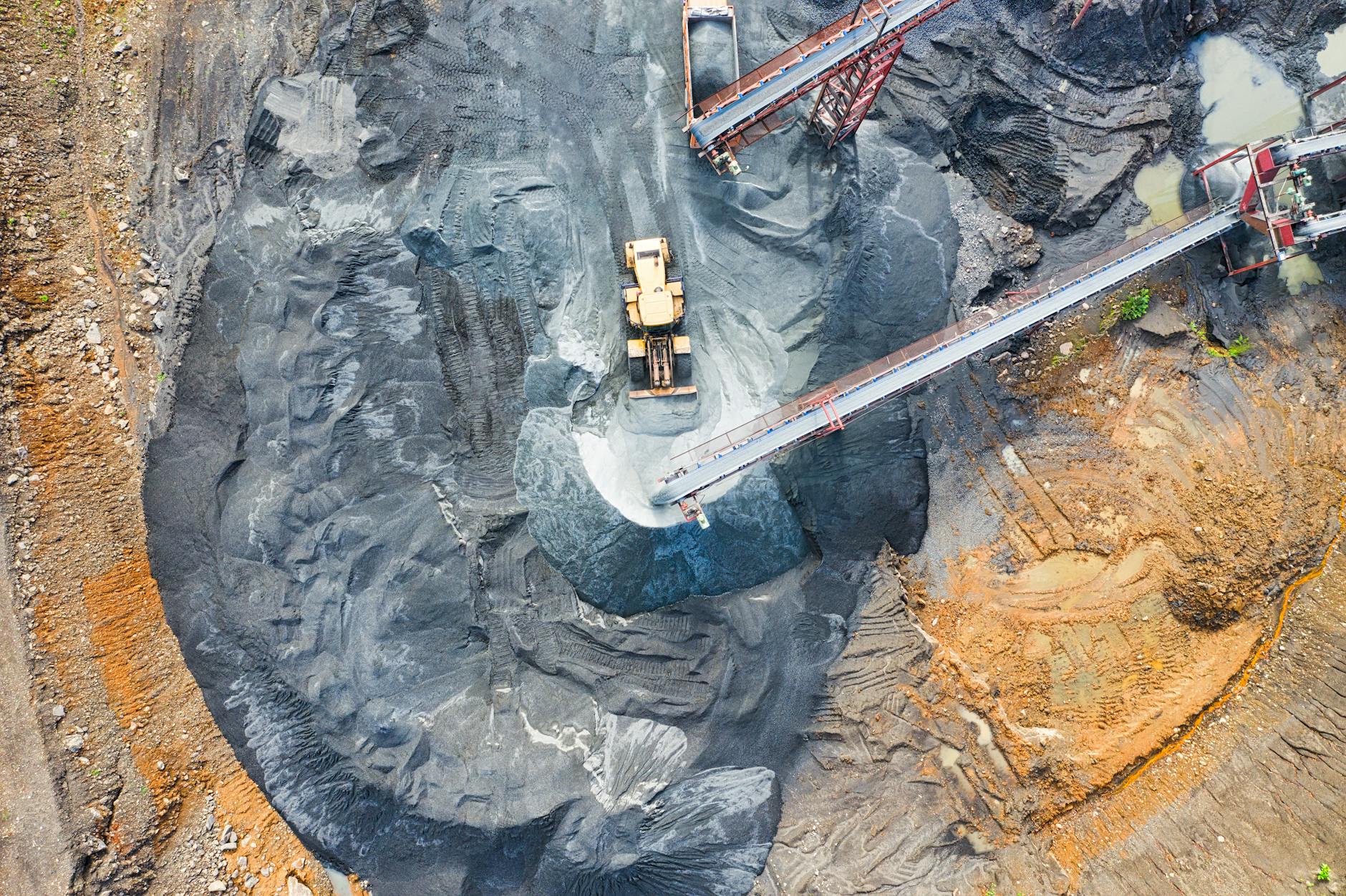
Reuters poll of 30 analysts expects copper to trade at an average of $10,500 per tonne on the London Metal Exchange in 2026, a 7.2 percent increase from the July forecast, as mine disruptions in Indonesia, Congo, and Chile tighten refined-metal supply.
The upward revision signals sustained strength in the metal prized for electrical wiring, construction, and EV battery components. Cash copper has already climbed to $13,673 per tonne as of May 11, more than 30 percent above the poll’s 2026 forecast midpoint — a sign that analysts may yet raise estimates further as disruption risks crystallize.
The revised forecast reflects a consensus hardening around supply constraints. Copper mine output faces headwinds from extended stoppages and permitting delays in the world’s three largest producing regions. Indonesia, which accounts for roughly 11 percent of global refined copper, has faced recurring power shortages and regulatory tightening at its state-controlled smelters. The government has also tightened permitting for new mining concessions, complicating expansion plans for producers like PT Freeport Indonesia.
Congo’s Katanga province, the source of about 4 percent of world copper, has grappled with infrastructure challenges, ore-grade deterioration, and artisanal-mining overlap in key deposits. Cobalt-focused mining there has also diverted capital and refinery capacity from copper extraction. Meanwhile, Chile’s state copper company Codelco has flagged production declines across its portfolio, particularly at aging mines like El Teniente. Private miners in the country contend with water-access limits in the arid Atacama region, where lithium and copper compete for scarce groundwater resources.
Against this backdrop, analysts in the Reuters poll penciled a 150,000-tonne refined copper deficit in 2026 — meaning demand will outstrip fresh supply by that volume, drawing down global inventory held by producers, traders, and the LME. That draw is the driver of the upward revision. Matthew Sherwood, economist at the Economist Intelligence Unit, captured the shift in sentiment: “We expect copper to hold onto its recent gains and sustain these into 2026 and beyond. Recent developments now suggest the refined copper market will begin to tighten earlier than we previously forecast.”
The October 2025 poll preceded the current spike but embedded expectations of persistent tightness. Year-to-date through the poll period, copper had already climbed 25 percent — a signal that the consensus was catching up to market pricing faster than usual. The recent move to $13,673 per tonne suggests futures traders have already priced in scenarios where supply remains constrained or demand from China remains robust despite economic headwinds.
The consensus view has implications for industrial purchasers and EV manufacturers. Copper costs are a material input for winding wire in electric motors, transformer coils, and battery-pack interconnects. Construction firms bidding on infrastructure projects must now assume higher copper hedging costs. A prolonged period of $10,000-plus pricing would raise project costs by 3 to 5 percent on average, according to cost models cited in industry research. Some purchasers have already begun locking in multi-year forward contracts at current levels to avoid further escalation.
Industry observers have flagged one wildcard: whether China’s economic stimulus can sustain copper demand at current levels. A slowdown in construction or manufacturing there would cut demand by roughly 5 to 8 percent, based on historical elasticity. But the consensus view — as reflected in the Reuters poll — holds that supply-side risks dominate near-term price direction. The refined deficit and accompanying inventory draws are expected to anchor prices well above the 2026 average forecast unless major mines return to full production ahead of schedule, which most analysts view as unlikely given the structural nature of the disruptions.
Forward guidance from producers and refinery operators suggests that capacity additions in the next 24 months will be modest, unable to offset the expected draw. This creates scope for prices to move materially above the $10,500 average if China demand surprises to the upside or if any of the three primary disruption zones worsens. Downside risk remains tied to a sharper-than-expected China slowdown or a breakthrough in mine rehabilitation efforts — scenarios the consensus currently weighs as unlikely but material if they materialize.
Reza Najjar
Commodities desk covering oil, natural gas, gold and base metals. Reports from London.
Related

How a $10,500 Copper Forecast Missed by $3,000 a Tonne
Three broken mines, one closed strait, and a copper market running on fumes
Copper at $13,311 defies October poll as Freeport units split on Grasberg restart

Gold pushes toward $4,800 as oil slide and lower yields fuel rally