Copper at $13,311 defies October poll as Freeport units split on Grasberg restart
The October 2025 Reuters poll forecast copper at $10,500 a tonne for 2026. The metal now trades above $13,300, propelled by simultaneous supply disruptions in Indonesia, Chile and the Congo — and a contested Grasberg restart timeline that has pitted Freeport Indonesia against its Phoenix headquarters.
Copper traded at $13,311.50 a tonne on the London Metal Exchange on May 11, a level that would have seemed improbable when Reuters polled 30 analysts in October 2025 and the consensus landed at $10,500 for the 2026 average.
The forecast lasted three months.
By late January, copper had hit an all-time high of $14,527.50, and the updated January poll jumped to $11,975. Every major supply shock that analysts had pencilled in as a tail risk has materialised — from a deadly mudflow at the world’s third-largest copper mine to a Chinese export ban on a critical refining input.
The widening gap between the October consensus and the metal’s actual trajectory is the story of three disruptions hitting simultaneously — and of one timeline dispute that cuts to the heart of whether the tightness eases in 2027 or persists into 2028.
The Grasberg dispute
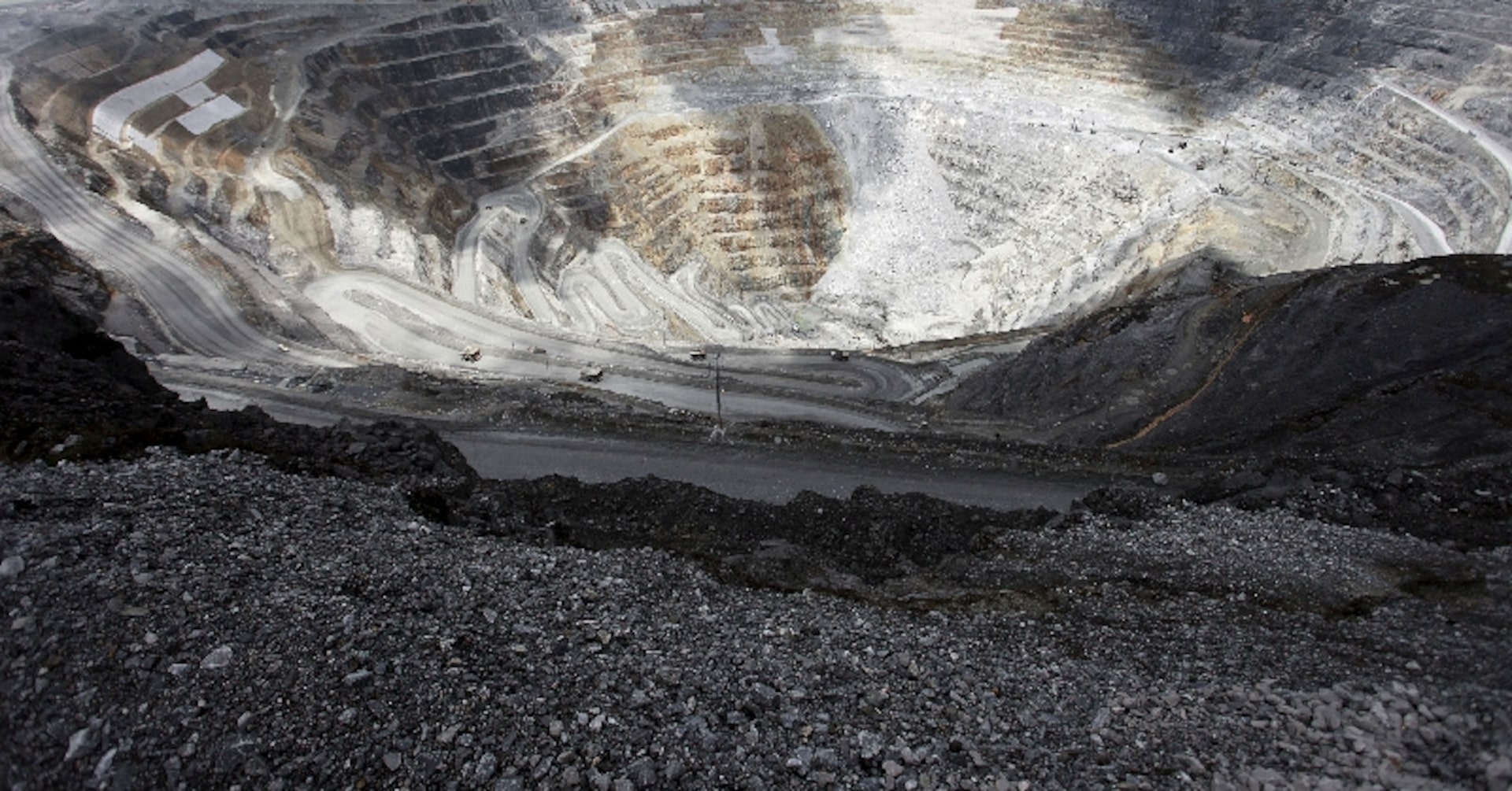
At the Grasberg Block Cave in Indonesia’s Central Papua province, a September 2025 mudflow killed seven workers and halted underground operations. Before the incident, Grasberg supplied roughly 3 per cent of the world’s copper. Freeport-McMoRan’s Indonesian unit now says production is running at 40 to 50 per cent of capacity. On May 8, Freeport Indonesia chief executive Tony Wenas told Reuters the company “targets a return to full capacity by early 2028.” The disclosure landed hard — Grasberg’s expected 2026 output has been cut to roughly 700 million pounds, down from an earlier target of 1 billion pounds, according to MINING.COM.
But the timeline is itself contested. On May 11, Freeport-McMoRan’s Phoenix headquarters pushed back against the 2028 date, calling media reports “misleading.” A company spokesperson said “PT Freeport Indonesia’s ramp-up progress and revised mine plans were disclosed on April 23 in connection with Freeport’s earnings release,” and the company stands by its end-of-2027 restoration target. Whether the Indonesia unit’s longer timeline reflects operational reality or the Phoenix office’s shorter one reflects investor-facing optimism — or both — the result is the same: Grasberg’s lost tonnes are not coming back in 2026.
Chile’s structural decline
Chile, which accounts for a quarter of global mined copper, is compounding the squeeze. Output fell 9.04 per cent year-on-year in March 2026 to 434,314 tonnes, according to Cochilco data. State-owned Codelco, the world’s largest copper producer, has been struggling with declining ore grades and operational setbacks across its aging mines in the Atacama. The Chilean decline is structural, not cyclical — and it removes a supply cushion that markets have relied on for decades.
The Democratic Republic of Congo, which had been the fastest-growing copper producer globally, reported first-quarter 2026 exports down 14.6 per cent from a year earlier. The DRC’s miners are pivoting away from cobalt — where prices have collapsed — toward copper, but the transition is not seamless. Glencore said its DRC assets are “prioritising copper production as existing finished cobalt inventories are sufficient to fully deliver into near-term quota levels,” a reallocation that takes time at an operational level.
The sulphuric acid shock
Stacked together, the Indonesia-Chile-Congo triple hit would have been enough on its own to tighten the market. Then, on May 1, China halted exports of sulphuric acid, a reagent used in roughly 15 per cent of global copper production, according to J.P. Morgan. The ban was aimed at securing domestic fertiliser supply during the spring planting season, but the copper supply chain is collateral damage. J.P. Morgan’s Gregory Shearer, head of base and precious metals strategy, has a $13,500 second-quarter target but warns that “bearish macro risks should continue to dominate in copper as long as energy prices remain on the rise in the near term, calling into question the extent of potential demand destruction.” Global visible copper inventories have climbed to 1.5 million tonnes, up 540,000 tonnes year-to-date, giving the market a buffer.
A surplus — on paper
And yet the refined market balance tells a more complicated story. In October 2025, the International Copper Study Group projected a 150,000-tonne deficit for 2026. By its April 2026 update, the ICSG had flipped to a 96,000-tonne surplus. Global refined copper demand is forecast at 28.66 million tonnes, up 1.6 per cent, while output is seen at 28.76 million tonnes, up just 0.4 per cent. The surplus is razor-thin — 96,000 tonnes represents roughly a day and a half of global consumption — and the ICSG’s demand estimate assumes no further escalation of the Strait of Hormuz conflict that has already dampened industrial activity across Asia and Europe.
Goldman Sachs Research maintained its 2026 average copper forecast of $12,650 a tonne as of April 21, with analyst Eoin Dinsmore noting that “our much smaller 2026 surplus of 160kt moves the market closer to balanced” but “we do not expect the global copper market to enter a shortage any time soon.” The bank’s 160,000-tonne surplus estimate is larger than the ICSG’s 96,000 tonnes, but both imply the same directional call: mine disruptions are real, but so is the demand destruction that higher energy prices and geopolitical friction are imposing on the world’s industrial economies.
The October poll’s $10,500 call was wrong within weeks. The January poll’s $11,975 may prove too low if the Grasberg restoration slides past end-2027, if Chile’s output decline accelerates, or if the sulphuric acid bottleneck bites harder than anticipated. But the ICSG surplus forecast — however narrow — also means the supply tightness is not automatic.
Demand destruction at higher prices is the variable no mine plan can control.
Reza Najjar
Commodities desk covering oil, natural gas, gold and base metals. Reports from London.