Oil surges 8% to $109 after Trump rejects Iran peace offer
Brent crude surged 8 per cent to $109.74 a barrel after President Trump rejected Iran's peace proposal as unacceptable, extinguishing weeks of cautious optimism that diplomacy could reopen the Strait of Hormuz.
Brent crude surged as much as 8 per cent to an intraday high of $109.74 a barrel on Monday after President Donald Trump dismissed Iran’s latest peace proposal as unacceptable and extinguished weeks of cautious optimism that diplomacy could reopen the Strait of Hormuz. The waterway carries one-fifth of the world’s oil supply and has been effectively closed since late February.
The rejection came days after Iran submitted terms that included reopening the strait in exchange for sanctions relief. Brent later settled near $104.06, up 2.8 per cent on the session. U.S. crude rose 2.7 per cent to $97.97 a barrel. The moves erased the peace-premium discount that had built over recent sessions as traders bet a diplomatic track was advancing.
Iran’s proposal demanded an end to military operations on all fronts, the lifting of U.S. and allied sanctions, reparations, and formal recognition of Iran’s control over the strait. Trump’s rejection was swift and unequivocal, a senior administration official said. The White House has held that any deal must begin with Iran reopening the waterway unconditionally, a stance Tehran has called a demand for surrender.
The Strait of Hormuz has been closed since the U.S. and Israel began bombing Iranian military and nuclear infrastructure in late February, 11 weeks ago. Iran responded by mining the strait and attacking vessels it said were linked to the U.S. or Israel while permitting other ships to pass. The closure has removed roughly 20 per cent of global seaborne petroleum from the market.
“Energy prices have surged but remain at levels that are headwinds rather than expansion-ending obstacles,” Bruce Kasman, global head of economics at JPMorgan, wrote in a client note. “The risk of a sharper move rises with each week the Strait of Hormuz stays closed.” Kasman added that JPMorgan’s commodities desk sees operational stress on physical crude supply “starting sometime in June.”
Equity futures turned lower. S&P 500 futures slipped 0.3 per cent and Nasdaq futures eased 0.2 per cent. Japan’s Nikkei futures traded at 63,475 against a cash close of 62,713. Shares had hit record highs last week on a run of strong corporate earnings and a solid U.S. payrolls print, but the collapse of peace talks revived the supply-shock risk that has shadowed markets since late February.
The dollar gained as a haven. It added 0.2 per cent against the yen to 156.88 and the euro fell 0.2 per cent to $1.1760. Gold slipped 0.5 per cent to $4,690 an ounce in a session where crude dominated and the metal drew little haven bid.
“Each day that the war goes on does more damage to the global economy and drives inflation higher, with recession chances rising by the hour,” said Chris Beauchamp, chief analyst at IG Group. The comment reflected the macro anxiety settling across trading desks: the supply disruption has moved from transient shock to structural input in inflation forecasts and central-bank reaction functions.
Bitcoin pulled back toward $79,000 after briefly topping $80,000 late last week on a burst of optimism that the peace track was advancing. The reversal tracked the same peace-premium unwind that hit equities: traders who had bid digital assets on the prospect of de-escalation reversed the trade.
The impasse leaves energy markets without a visible off-ramp. Trump is scheduled to meet Chinese President Xi Jinping in Beijing on Wednesday for their first face-to-face talks in more than six months. Energy security and Iran are expected to dominate the agenda. Beijing has been Iran’s largest remaining crude buyer, and Chinese refiners have been among the few still receiving Iranian barrels via shadow-fleet tankers.
Chevron CEO Mike Wirth warned last week that physical crude shortages were approaching and compared the Hormuz disruption to the 1970s oil shocks. His warning landed with more force after Monday’s selloff in risk assets confirmed the peace-talk premium had been real and is now gone.
Brent at $109 puts the contract 56 per cent above its pre-conflict level of roughly $70 in late February. The rally has erased any remaining hope that the Federal Reserve will cut interest rates this year. Gasoline is nearing $4 a gallon nationally, a political liability for an administration that campaigned on lowering prices for American households.
What’s next
The Trump-Xi meeting is now the single largest catalyst for crude. If Beijing signals willingness to pressure Tehran toward a negotiated reopening of the strait, oil could give back the peace-talk premium as fast as it returned. If the meeting yields no progress, the June operational-stress window flagged by JPMorgan becomes the next marker. Options markets suggest traders are pricing a run at $110 WTI before the end of May.
Kasman’s note framed the asymmetry: “Energy prices are headwinds, not obstacles, for now.” The qualification does the work.
Reza Najjar
Commodities desk covering oil, natural gas, gold and base metals. Reports from London.
Related
Oil pushes higher, gold erases gains after US and Iran trade weekend threats
Brent crude back above $100 as US-Iran clash resumes in Strait of Hormuz
Gold and silver stall below $4,800 and $80 as Iran MOU meets Fed pause
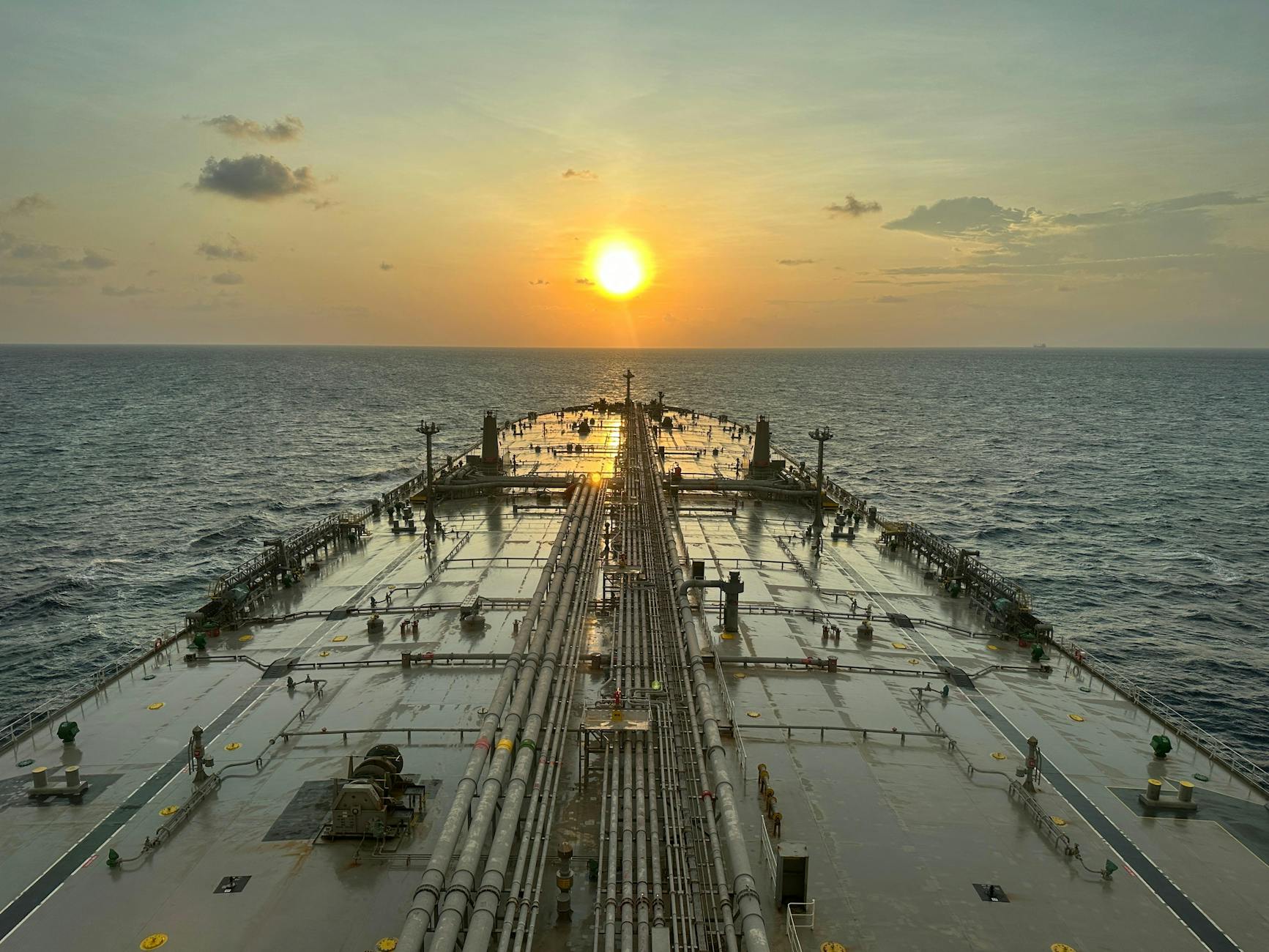
Wirth says physical oil shortages near, calls Hormuz disruption 1970s-scale