Brent crude back above $100 as US-Iran clash resumes in Strait of Hormuz
Brent crude settled near $100.06 a barrel on Thursday after fresh fighting between US and Iranian forces in the Strait of Hormuz unwound a one-day rally on ceasefire hopes, with WTI ending near $93.60 and traders rebuilding the war-risk premium they had pared 24 hours earlier.
Brent crude closed back above $100 a barrel on Thursday after fresh fighting between US and Iranian forces in the Strait of Hormuz unwound a one-day rally on ceasefire hopes. Traders rebuilt the war-risk premium they had pared 24 hours earlier.
The global benchmark settled near $100.06 in London, down about 1 per cent on the day. It traded as low as roughly $93 during European hours before reversing, CNBC reported. West Texas Intermediate ended near $93.60, paring a 6 per cent intraday slide. Brent had closed at $106.52 the previous session before tumbling on a Reuters report that Washington and Tehran were close to a 14-point memorandum of understanding to end the war and reopen the strait.
That trade unwound after Mohsen Rezaei, a member of Iran’s Expediency Council, said the United States must pay reparations for damage already done to Iran before any agreement. Tehran reporters read the comments as a public rebuff to the Trump administration’s draft accord. A US strike on an Iranian-flagged tanker, confirmed in Pentagon briefings cited by Euronews, hit the tape inside the same window.
President Donald Trump told reporters at the White House that a breakthrough was close. He offered no timeline. The diplomatic track, brokered through Omani channels and first reported by Axios, would lift restrictions on shipping through the strait in exchange for a phased pause in US strikes on Iranian energy infrastructure, according to two US officials cited by the outlet. Iran’s foreign ministry has not formally responded.
Roughly 14 million barrels per day of global supply remain disrupted by the regional war that began in late February, the International Energy Agency said in a note flagged by TradingEconomics. The agency warned recovery would proceed gradually even if hostilities ease. Brent is up 5.98 per cent month-to-date and 59.06 per cent over the past year on the data provider’s series.
What flipped the tape
The reversal began with a Reuters wire shortly after the London open. Two senior US officials told the agency the draft was a one-page, 14-point memorandum drawn up in Muscat. Brent fell from $106.52 toward the low-$90s inside two hours, the steepest intraday decline since the war’s opening week. Volume on Brent’s front-month contract on ICE Futures Europe ran more than double the 30-day average, traders said.
Rezaei’s remarks, carried by Iranian state media in mid-afternoon Tehran time, took the bid back. Brent retraced the bulk of the move in under 90 minutes. It settled above the $100 mark that has anchored the contract since Iranian missile and drone strikes on the United Arab Emirates on Monday pushed it as high as $114.44.
“The market is pricing oil higher as it factors in the risk of more oil infrastructure damage,” June Goh, a senior oil market analyst at Sparta in Singapore, told Al Jazeera earlier in the week. Goh expected further upward pressure as importing nations draw down strategic stocks.
Hormuz traffic
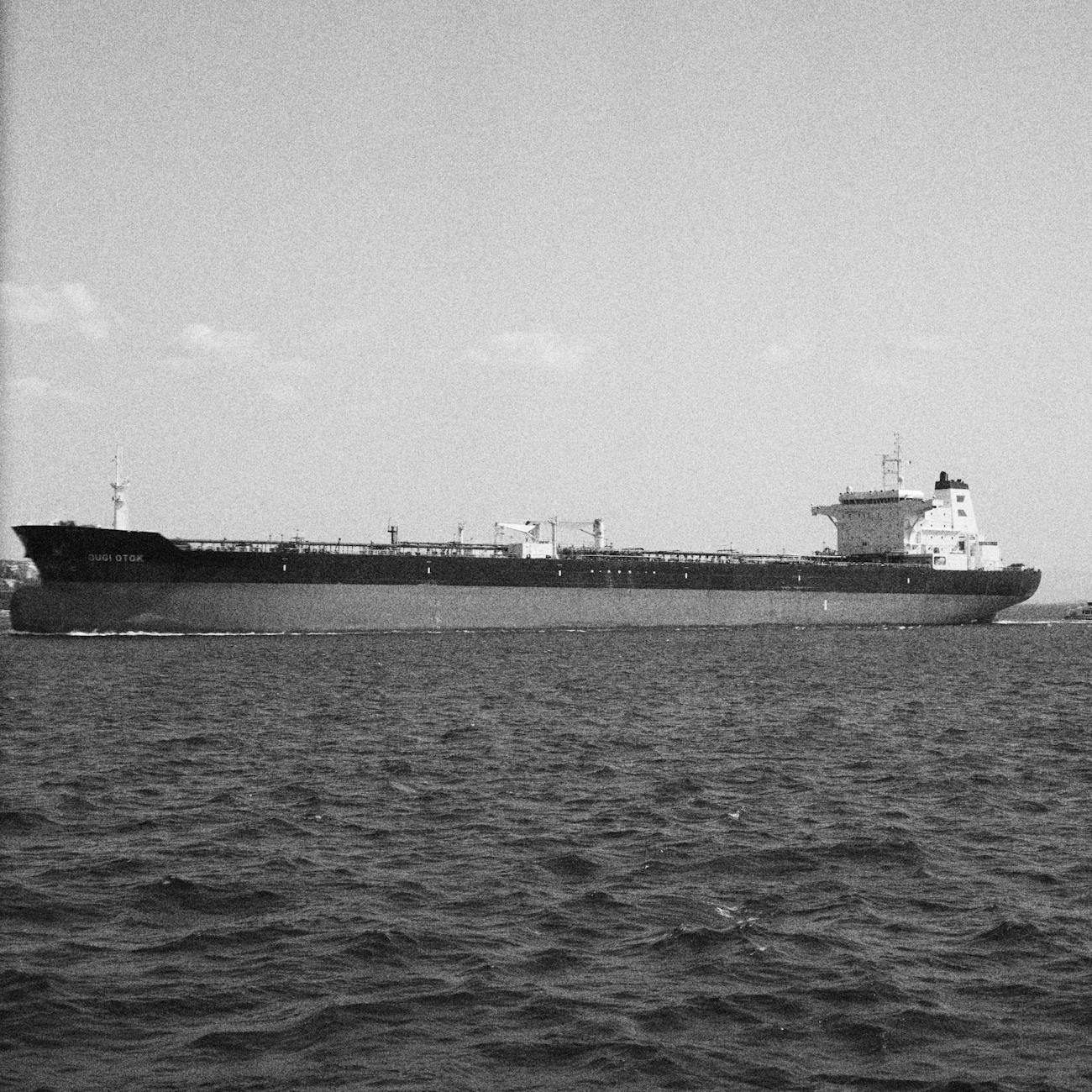
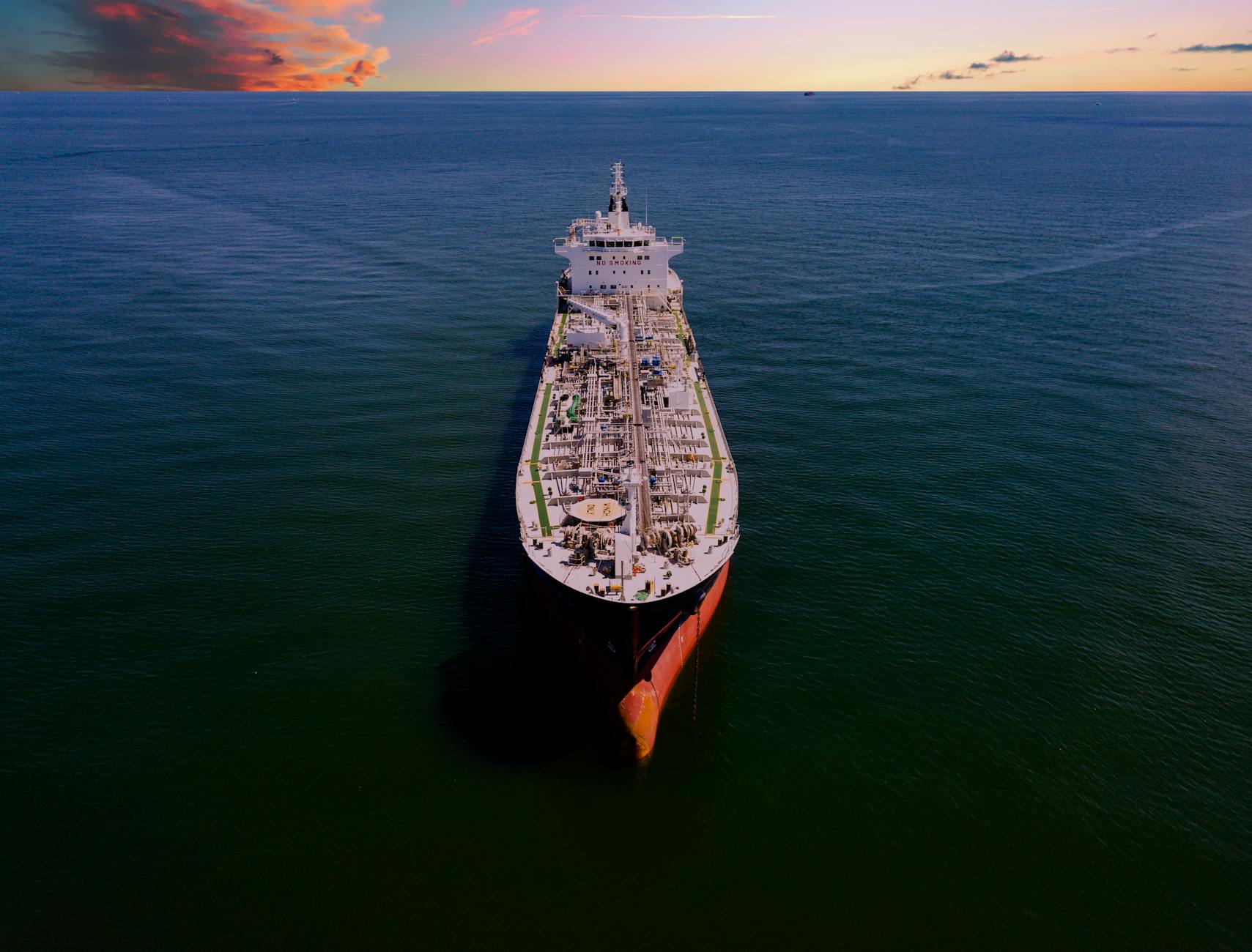
The strait is the chokepoint between the Persian Gulf and the Gulf of Oman through which roughly a fifth of global seaborne oil flows. It has been intermittently closed to commercial transit for ten weeks. The US Fifth Fleet said early Thursday its forces had destroyed six small Iranian craft after attacks on commercial vessels earlier in the week. Iran’s military rejected the claim.
Stephen Cotton, general secretary of the International Transport Workers’ Federation, urged governments not to treat any reopening announcement as a green light absent verifiable safety guarantees for crews. “Freedom of navigation must be restored in full accordance with international law,” Cotton said in a statement. UN Secretary-General António Guterres has called repeatedly for an immediate ceasefire and protected shipping lanes.
What traders are watching
Tehran’s response to the US memorandum at Friday prayers is the next near-term driver, traders said. Senior clerics often disclose the government’s position from the Tehran University pulpit. The IEA’s monthly oil market report on May 14 then revises demand and supply for ten weeks of war.
Goldman Sachs said in a client note last week that a sustained closure of the strait would push Brent into a $120 to $130 range within four weeks. A credible reopening pact takes prices back toward the bank’s $78 base case. JPMorgan analysts have flagged the gap between the two scenarios as the largest two-way commodity risk on their cross-asset board.
The trade has held a $95 to $115 channel for three weeks. Front-month options on Brent now price one-month implied volatility near 64 per cent, ICE data show. That is the highest reading the contract has seen since Russia’s 2022 invasion of Ukraine.
Reza Najjar
Commodities desk covering oil, natural gas, gold and base metals. Reports from London.