Oil pushes higher, gold erases gains after US and Iran trade weekend threats
Oil prices pushed higher and gold surrendered its recent gains after Washington and Tehran traded threats over the weekend, the latest blow to a seven-week-old ceasefire that had briefly raised expectations the Strait of Hormuz would reopen.
Oil prices pushed higher on Monday and gold surrendered its recent gains after Washington and Tehran traded threats over the weekend, the latest blow to a seven-week-old ceasefire that had briefly raised expectations the Strait of Hormuz would reopen to commercial tanker traffic.
Brent crude futures climbed as much as 4.2 per cent in Asian trading to touch $105.40 per barrel before easing to $103.80 by midday in London. West Texas Intermediate rose 3.8 per cent to $98.65. The moves reversed most of the decline recorded last week, when Brent briefly slipped below $100 for the first time since March on reports the White House was nearing a 14-point peace framework with Iran.
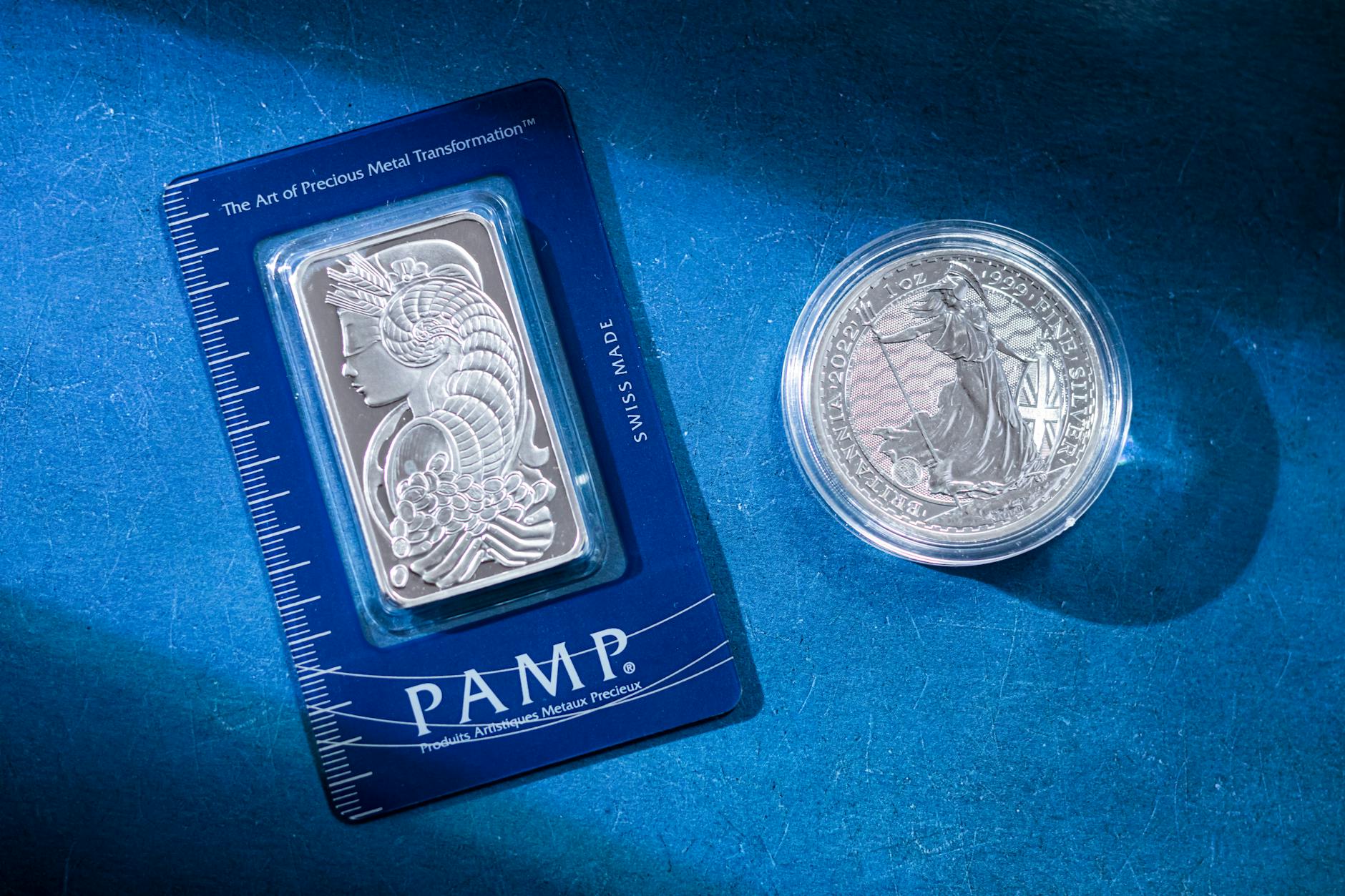
Gold, which had surged 3 per cent to $4,694 per troy ounce on 5 May as peace hopes pushed the dollar lower and crude eased, erased those gains in thin Monday trade. Spot gold fell 2.1 per cent to $4,595 as the renewed tensions lifted the dollar index 0.24 per cent to 97.92 and pushed 10-year Treasury yields back above 4.40 per cent. The split-direction move with oil captured gold’s contradictory role through the three-month conflict: a safe-haven bid arrives when escalation is acute, but the metal sells off when oil-driven inflation fears shut the door on rate cuts.
“Geopolitics alone rarely drives gold prices in a sustained way; what matters is how such shocks feed through to inflation expectations, real yields, and dollar direction,” said Ole Hansen, head of commodity strategy at Saxo Bank.
The weekend exchanges marked the sharpest rhetorical escalation since 8 May, when US Central Command announced strikes on Iranian positions after three US Navy guided-missile destroyers came under attack near the strait. Brent jumped 7.5 per cent intraday that session to $103.70 before settling near $101.12 as both sides signalled the April 7 ceasefire nominally held.
President Donald Trump posted on social media late Saturday that Iran had “one last chance” to accept the framework or face “consequences beyond anything seen so far.” Iran’s foreign ministry responded Sunday that Washington was “sabotaging its own deal” and warned that any further attack on Iranian infrastructure would be met with strikes on “all accessible” US and allied energy assets in the Gulf.
The Hormuz calculus
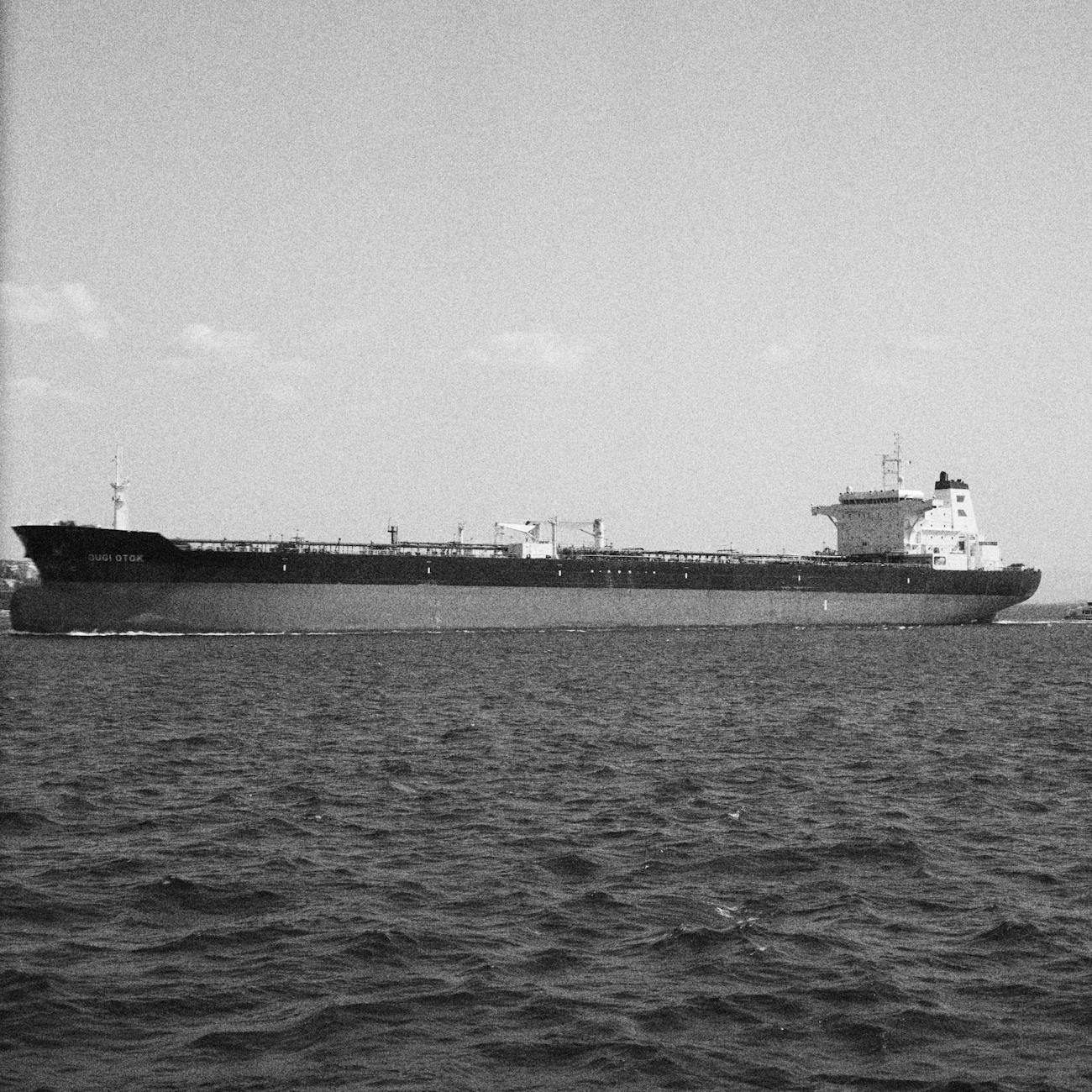
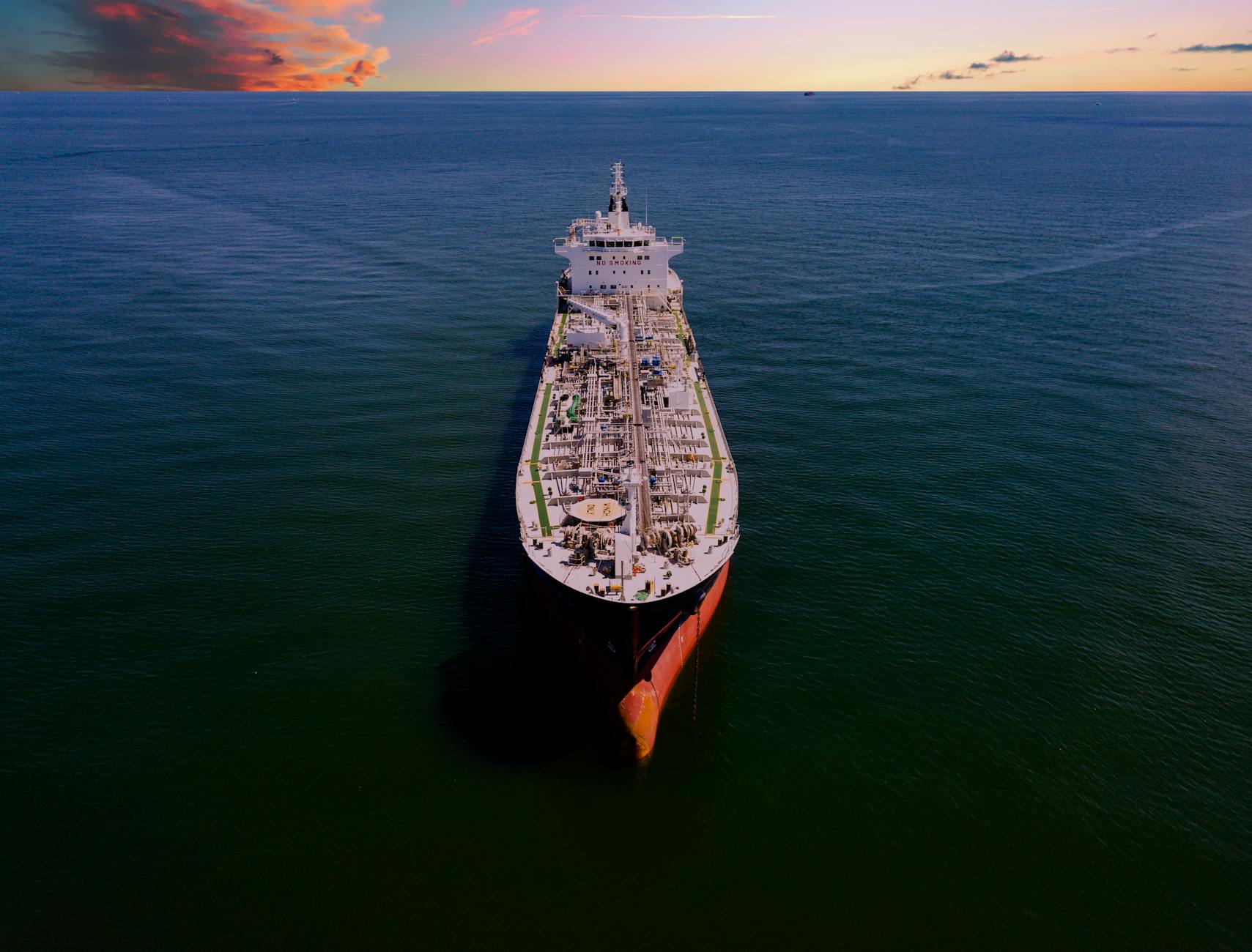
The Strait of Hormuz, the 21-nautical-mile chokepoint between Iran and Oman, carried roughly 20 per cent of global oil and liquefied natural gas supply before the US and Israel began bombing Iran on 28 February. Shipping through the waterway has been at a near standstill since. An estimated 14.5 million barrels per day of production is effectively stranded.
The US Navy’s “Project Freedom” escort mission, launched in early May, guided two merchant vessels including a Maersk-flagged tanker through the strait on 4 May. But the operation has stalled as renewed clashes made the transit corridor too hazardous for commercial operators. Defence Secretary Pete Hegseth told reporters that “hundreds of ships” were waiting to transit and that naval assets could not guarantee safe passage while Iranian anti-ship batteries and small-boat swarms remained positioned along the coastline.
The economic damage extends beyond crude. Brent at $103 per barrel sits roughly 47 per cent above the $70 pre-war level. US gasoline prices have climbed to a national average of $3.92 per gallon, according to AAA data. The conflict has also disrupted flows of helium, pharmaceuticals, and fertiliser, pushing up factory-gate prices across Asia and Europe.
“Each day that the war goes on does more damage to the global economy and drives inflation higher,” said Chris Beauchamp, chief market analyst at IG Group. “Markets spent last week pricing a deal. This week they are pricing the absence of one.”
The NACHO consensus
On trading desks, the weekend threats reinforced what has become known as the “NACHO” trade, short for Not A Chance Hormuz Opens, a positioning strategy that hardened last week as ceasefire optimism faded. The thesis is straightforward: stay long crude futures and energy equities, short assets that benefit from disinflation, and hold gold only as a tail-risk hedge rather than a core position.
ING commodities strategist Ewa Manthey noted that the rally-retreat pattern in both oil and gold had compressed into a tighter band over the past two weeks, with Brent oscillating between $96 and $107 and gold trapped between $4,550 and $4,800. “The market is no longer reacting to each headline,” Manthey said. “It needs a structural catalyst: either a deal that reopens Hormuz or an unambiguous breakdown that draws in additional parties.”
Rising inflation expectations have pushed bond yields higher, cutting the appeal of non-yielding assets. “We are in a regime where good news on the geopolitical front is gold-positive because it opens the door to rate cuts, and bad news is gold-negative because it slams that door shut,” Hansen said.
The United Nations Security Council was due to resume talks this week on a US and Bahrain-backed draft resolution that could authorise sanctions against Iran and, in its strongest form, the use of force if Tehran does not halt attacks on merchant shipping. South Korea said it was reviewing whether to contribute vessels to Project Freedom, a decision that would expand the escort coalition beyond the US Navy.
What comes next
The immediate question for commodity markets is whether the weekend threats turn into action on the water. A confirmed attack on a commercial vessel inside the strait would probably push Brent through $110, according to Saxo’s Hansen, while a verified de-escalation, such as a White House readout confirming talks have resumed, would send crude back below $100 within hours.
For gold, the rate path matters more than the next headline. The April consumer price index print, due Wednesday, is the week’s hard-data anchor. A reading above consensus would reinforce the no-cut narrative that has capped gold’s upside even as geopolitical risk climbs.
Until a tanker transits Hormuz without a US naval escort, the safer bet for commodity traders is to stay long. A ceasefire that holds for a week is not the same as a strait that is open.
Reza Najjar
Commodities desk covering oil, natural gas, gold and base metals. Reports from London.