HarrisX poll: 52% back CLARITY Act ahead of May 14 Senate markup
A HarrisX survey of 2,008 registered voters shows 52 per cent support the CLARITY Act, with 70 per cent saying the US should already have passed crypto legislation. The poll lands days before a Senate Banking Committee markup that could determine the bill's fate.
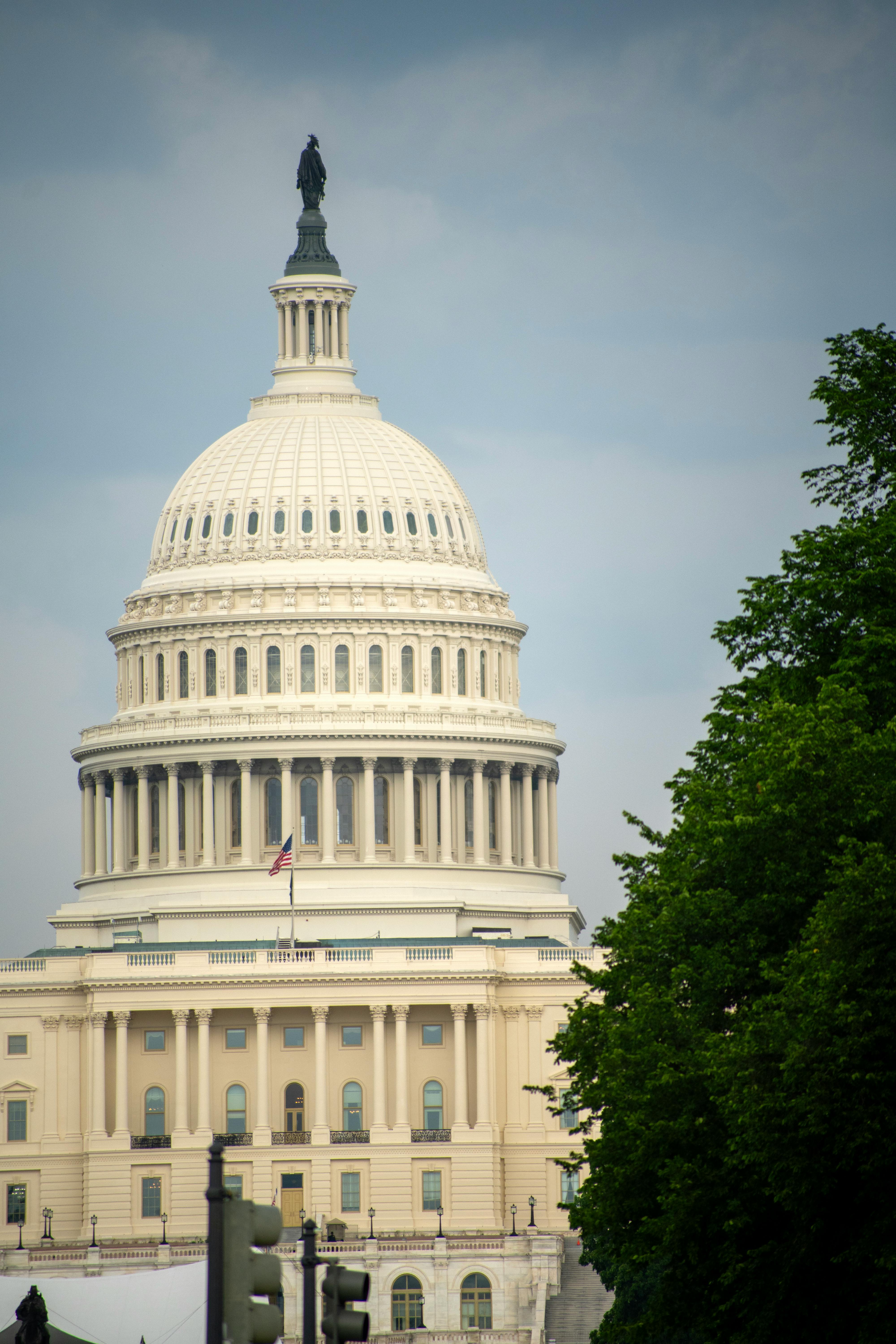
Fifty-two per cent of US registered voters support the CLARITY Act after reviewing a neutral summary of the crypto market-structure bill, according to a HarrisX poll released ahead of a Senate Banking Committee markup scheduled for May 14.
The survey of 2,008 registered voters, fielded May 1 through May 4 with a margin of error of plus or minus 2.2 percentage points, found 11 per cent opposed the bill while the remaining 37 per cent were undecided, a pool large enough to swing the legislative calculus in either direction. Seventy per cent of respondents said the United States should already have passed clear cryptocurrency legislation, and 60 per cent said they preferred straightforward federal legislation over regulation through enforcement actions.
The Digital Asset Market Clarity Act would for the first time draw jurisdictional lines between the Securities and Exchange Commission and the Commodity Futures Trading Commission over digital tokens, create registration rules for exchanges and custodians, and establish consumer protection standards for the digital asset industry. Senators Cynthia Lummis, Republican of Wyoming, and Thom Tillis, Republican of North Carolina, have pushed the bill through months of negotiation, and the committee scheduled a May 14 executive session to begin voting on amendments.
The poll showed how little the legislative debate has penetrated the broader electorate. Sixty-four per cent of respondents said they had not heard of the CLARITY Act before the survey. Just 14 per cent said they had heard a lot, while 22 per cent had heard a little. Only one in three knew that eight of the ten largest cryptocurrency exchanges are based outside the United States. After learning that fact, 46 per cent said offshore crypto trading was at least somewhat problematic; 13 per cent called it fine or good. Separately, 39 per cent of voters described themselves as familiar with digital assets or blockchain technology, against 61 per cent who said they were not.
The electoral arithmetic cut across party lines. Thirty-seven per cent of voters said they would be more likely to support a senator who voted for the CLARITY Act, against 17 per cent who said they would be less likely, a net benefit of 20 percentage points that was consistent among Republicans, Democrats, and independents. Forty-seven per cent said they would consider voting outside their preferred party if that party’s candidate backed the CLARITY Act and their own party’s candidate did not. Among the two in five respondents who said they had purchased cryptocurrency at some point, the share who said a candidate’s crypto position would be at least somewhat important for their 2026 midterm vote rose to 78 per cent.
National security was the most potent argument for the legislation. When asked to pick the best reason to pass the bill, 23 per cent chose keeping the dollar and US payment systems central globally, followed by 17 per cent for law enforcement and illicit finance, and 16 per cent for consumer protection and fraud prevention. Fifty-six per cent said foreign-controlled digital payment systems would weaken US national security, and more than two in five said dominant foreign-issued stablecoins would erode the dollar’s global role. Sixty-two per cent said it was important for the United States to set the global rules for digital finance.
The legislative path
The markup, confirmed on May 9, is the furthest the bill has advanced since introduction. Brad Garlinghouse, chief executive of Ripple, had initially expected the markup in April; intensive lobbying from both the crypto industry and the banking sector pushed it into May.
One fault line is stablecoin yield. Banking groups have floated last-minute language that would ban interest-bearing stablecoins, arguing the instruments undermine traditional deposit bases. Crypto firms counter that yield is a legitimate feature of financial innovation and should not be pre-emptively prohibited. The outcome of that fight will determine whether the bill reaches the Senate floor with bipartisan support intact.
A second wildcard is the ethics fight over crypto ventures tied to former President Donald Trump’s family. Several senators have signalled that the markup could stall if the bill does not include conflict-of-interest provisions addressing officials and their relatives who hold digital assets or equity in crypto platforms.
What’s next
If the bill clears the committee, it moves to the full Senate, where floor time is constrained ahead of the November midterm elections. The House would then need to pass its own version or reconcile with the Senate text. Analysts at Crypto Briefing estimate that enactment could unlock between $3 billion and $5 billion in new investment within a year as institutional capital that has been waiting for a regulatory perimeter enters the market.
The HarrisX numbers give the bill’s backers something they have not had in prior legislative rounds: a poll showing that crypto regulation carries a measurable electoral reward, with the undecided middle large enough to be moved by the committee debate that begins this week. Whether senators read the 52 per cent headline number or the 37 per cent undecided figure will shape the amendment fight ahead.
Tomás Iglesias
Financial regulation and legal affairs. SEC, CFTC, FCA, market-structure and enforcement. Reports from Washington.
Related
Senate Banking schedules May 14 CLARITY Act crypto markup
SEC's Atkins calls on Congress to pass CLARITY Act, modernize crypto rules

Atkins pushes formal SEC rulemaking for on-chain markets and crypto vaults

Bitcoin Holds Above $80,000 on SEC Regulatory Shift and Iran Hedging