Three broken mines, one closed strait, and a copper market running on fumes
Grasberg will not return to full capacity until 2028. Kamoa-Kakula's output has halved. El Teniente is still recovering. And the Strait of Hormuz has cut off the sulfuric acid that a fifth of the world's copper supply depends on.
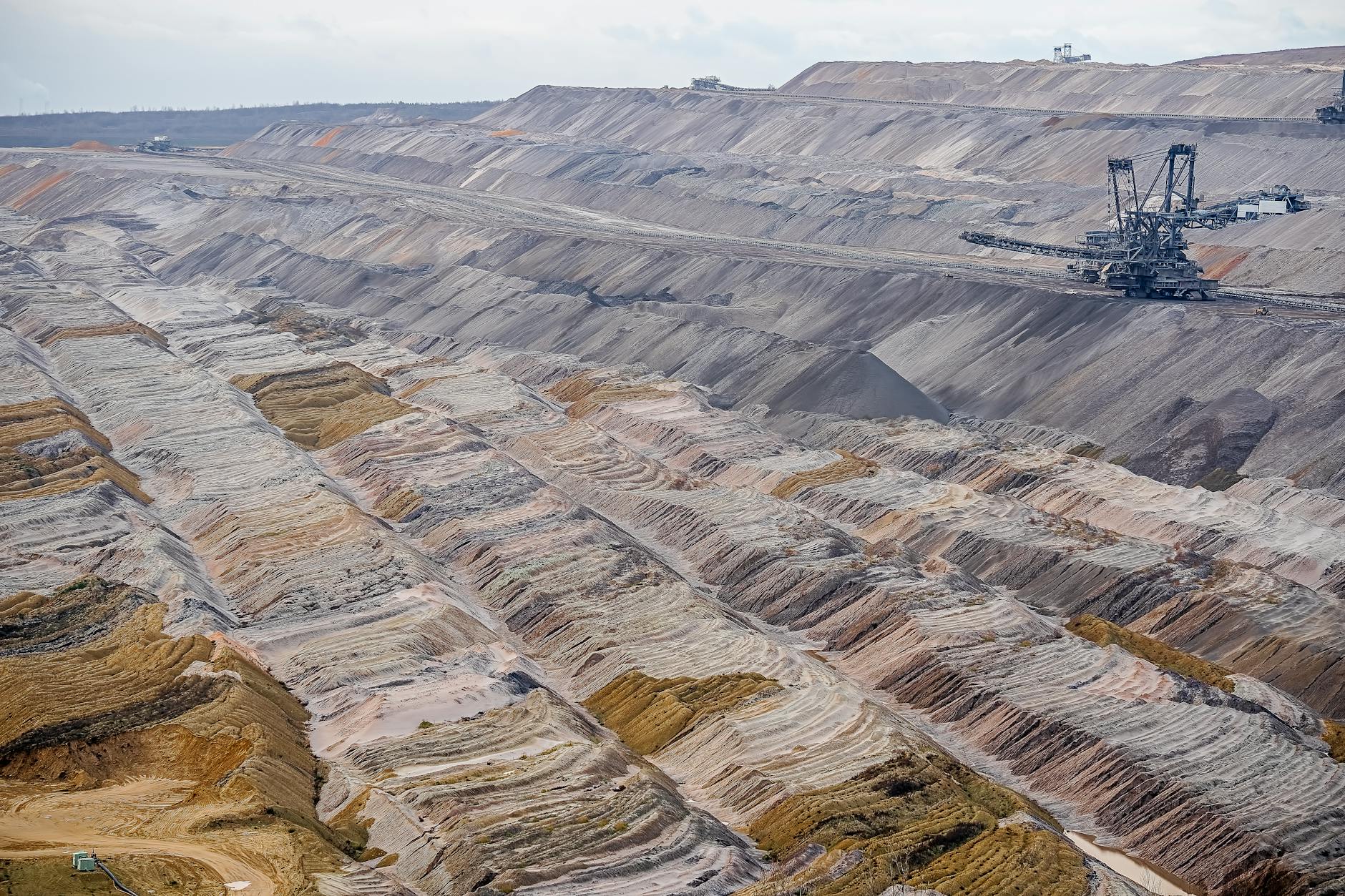
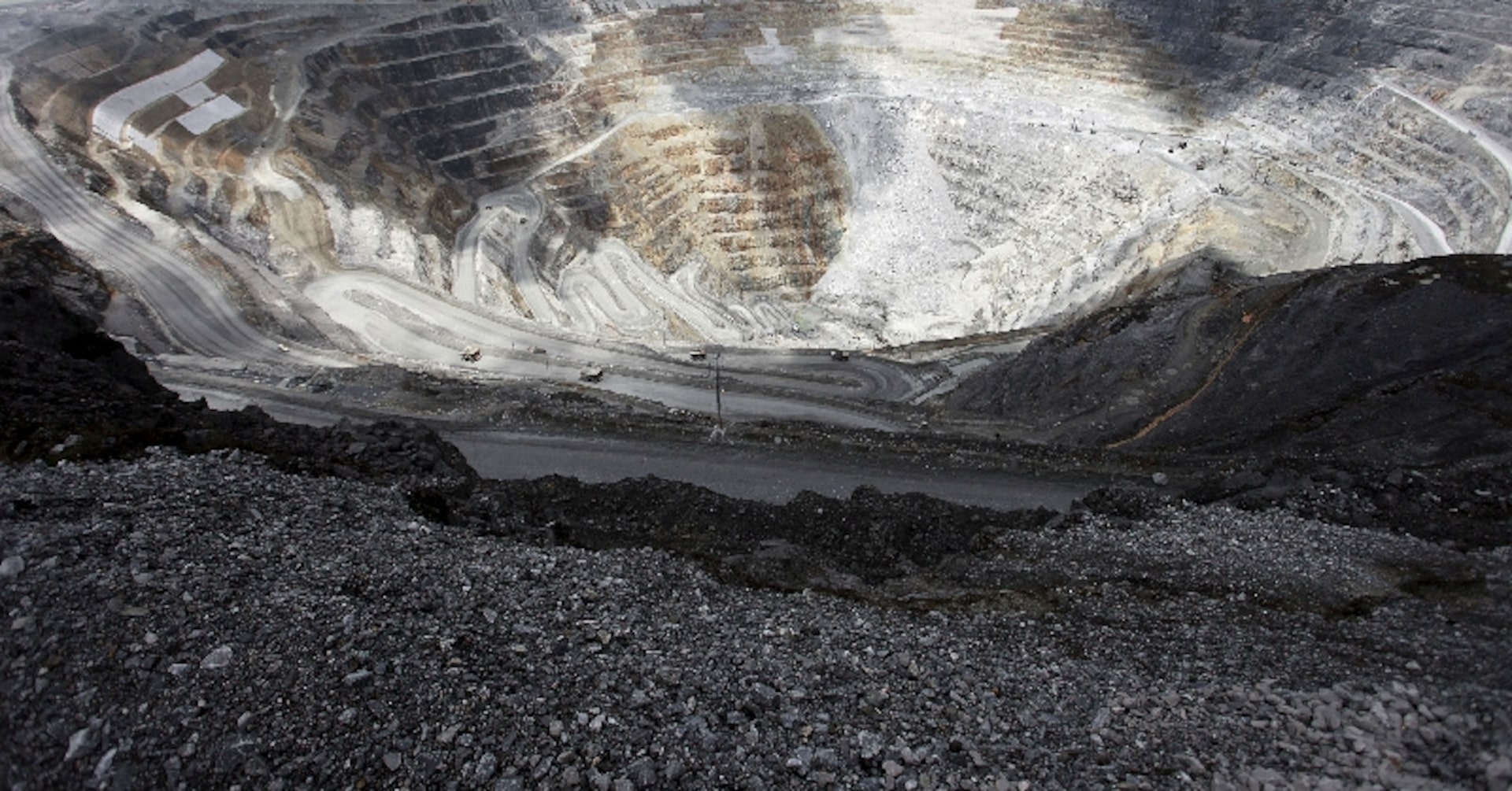
Tony Wenas, chief executive of Freeport Indonesia, confirmed on May 8 what commodities traders had been bracing for since the autumn: the Grasberg mine in Papua, which alone supplies 4 percent of the world’s mined copper, will not return to full production until early 2028. A fatal mudflow in September 2025 killed four workers and disabled the underground block-caving operation. The company initially targeted a 2027 resumption. Spokesperson Katri Krisnati said additional work on “logistics and ore handling infrastructure at the underground mine” forced the revision. The operation is currently running at 40 to 50 percent capacity.
The delay lands on top of two other supply shocks that are together reshaping the refined copper balance. In the Democratic Republic of Congo, Kamoa-Kakula’s copper concentrate output fell 54 percent year-on-year in the first quarter of 2026 to 61,906 tonnes. Flooding in May 2025 disrupted the operation and the recovery has been slower than management projected. Operator Ivanhoe Mines slashed its full-year guidance to between 290,000 and 330,000 tonnes, down from an earlier target of 380,000 to 420,000 tonnes. In Chile, production dropped roughly 6 percent in the first quarter as the El Teniente complex — the world’s largest underground copper mine — continued to manage the aftermath of a July 2025 accident. State-owned Codelco, which operates El Teniente, has disclosed limited detail on the incident but confirmed the mine is running below nameplate capacity.
The combined impact has sent LME three-month copper to $13,604 per tonne as of May 11. It touched an intraday high of $13,643, the strongest level in three months. When Reuters polled analysts in October 2025, the consensus forecast for the year was $10,500 per tonne and the projected market deficit stood at 150,000 tonnes. The copper market has since absorbed a cascade of disruptions that no model captured.
A fourth variable — the ongoing closure of the Strait of Hormuz — has introduced a chemical choke point that few forecasters built into their spreadsheets. Robert Friedland, executive co-chair of Ivanhoe Mines, flagged in April that roughly 20 percent of global copper supply relies on solvent extraction and electrowinning, a process that consumes sulfuric acid. With approximately half of the world’s seaborne sulfur supply cut off by the strait’s closure, he said, the upstream chemistry is breaking down. China compounded the squeeze on May 1 by halting sulfuric acid exports through December.
On the demand side, the fastest-growing buyer of copper is almost entirely insensitive to price. Peter Schmitz, director of global copper markets research at Wood Mackenzie, noted that data centres are expected to consume 475,000 tonnes of copper in 2026, up from 110,000 tonnes in 2025 — a fourfold increase in a single year. “Data centres create inelastic demand in the market,” Schmitz said. “When developers require copper for the expansion of data centres, it is used with little concern for the copper price.”
A 700,000-tonne gap between bulls and bears
The supply disruptions have widened an already wide forecasting divide. The October Reuters poll projected a 150,000-tonne refined copper deficit for 2026. ING subsequently estimated a 600,000-tonne deficit. Goldman Sachs, writing in late April, projected a 490,000-tonne surplus. Days later, the International Copper Study Group published a 96,000-tonne surplus forecast, against projected global demand of 28.66 million tonnes. The divergence — spanning nearly 700,000 tonnes — reflects fundamentally different assumptions about how much Iranian conflict-driven demand destruction and secondary scrap supply will offset the mine losses.
The price forecasts have been revised sharply higher as well. J.P. Morgan sees copper averaging $13,500 per tonne in the second quarter, declining to $12,500 by the fourth quarter as supply restarts and demand softens. Citi has drawn a $12,000 floor under the second quarter and a $15,000 year-end bull case, conditional on the Strait of Hormuz reopening. Gregory Shearer, head of base and precious metals strategy at J.P. Morgan, cautioned that “bearish macro risks should continue to dominate in copper as long as energy prices remain on the rise, calling into question the extent of potential demand destruction.”
Not everyone is convinced the rally is sustainable. Natalie Scott-Gray, senior metals demand analyst at StoneX, called speculative positioning “overdone and unrelated to the realities in the market,” adding that the metal “looks unsustainable with downward pressure likely to come.” The visible copper inventory sits at 1.5 million tonnes, up 540,000 tonnes year-to-date — a buffer that bulls are betting will drain faster than bears think it can.
The arithmetic, however, is tightening by the week. Grasberg will not be whole until 2028. Kamoa-Kakula’s new guidance range sits 90,000 tonnes below its old floor. China, which consumes roughly 60 percent of the world’s refined copper, halted sulfuric acid exports from May through December. The visible inventory buffer of 1.5 million tonnes is the market’s last line of defense — and at current rates of draw, it buys roughly four months. Every week the strait remains closed, the SX-EW plants that produce a fifth of the world’s copper burn through dwindling acid stockpiles.
Reza Najjar
Commodities desk covering oil, natural gas, gold and base metals. Reports from London.