Gold pushes toward $4,800 as oil slide and lower yields fuel rally
Spot gold traded near $4,750 per ounce late Friday, within striking distance of the $4,800 mark, as a sharp selloff in crude oil eased inflation expectations and pulled US Treasury yields lower. The move tees up a test of the 50-day moving average at $4,780.
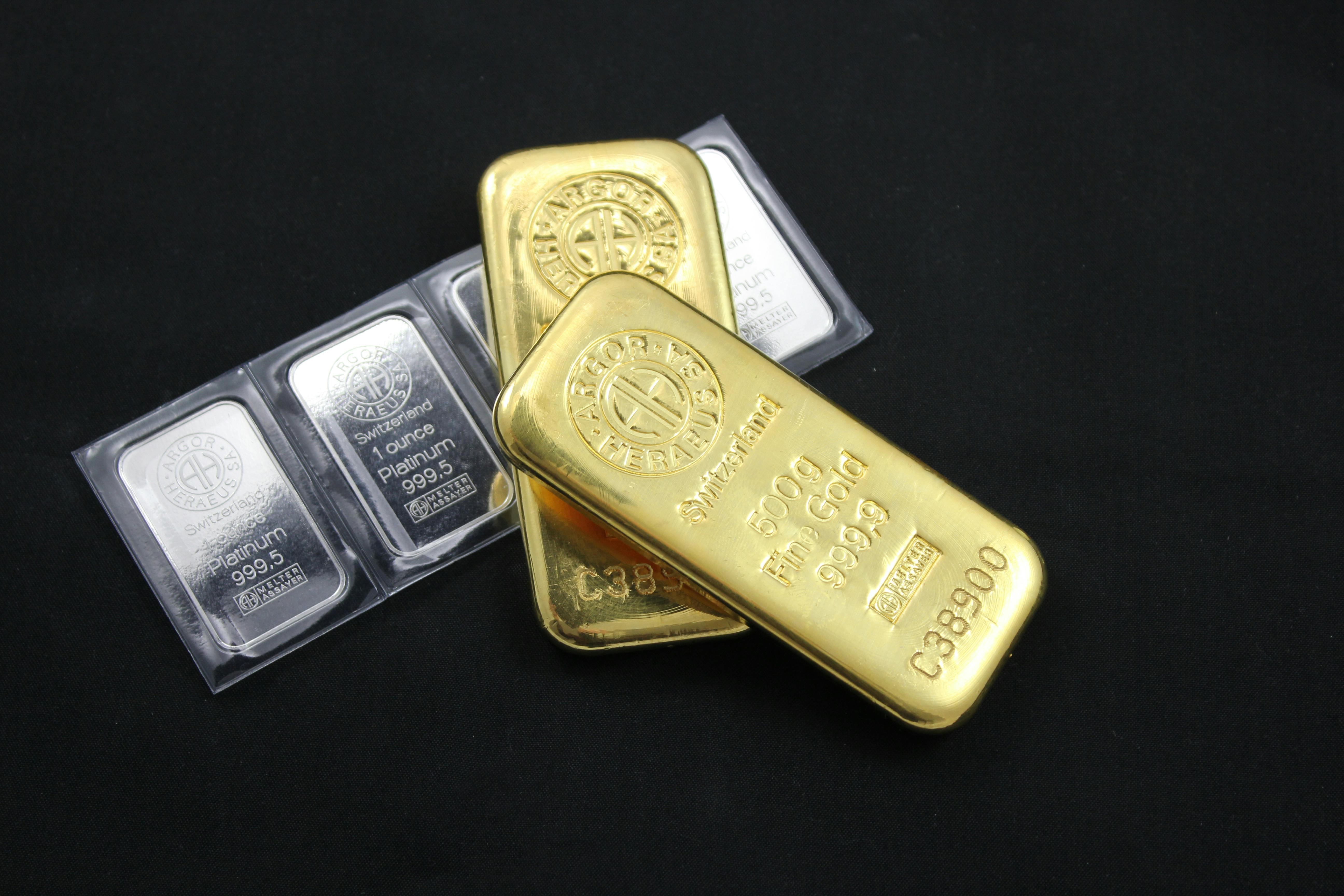
Gold pushed toward $4,800 per ounce in late Friday trading, rising alongside a sharp selloff in crude oil that pulled US Treasury yields lower and eased near-term inflation expectations.
Spot gold traded at $4,740 to $4,750 per ounce as of 11 pm ET on May 9, according to pricing data cited by ad-hoc-news. COMEX front-month futures were changing hands at $4,570 to $4,580. The metal now sits within striking distance of its 50-day moving average of $4,780, a level it has not closed above since late February. A spike in Middle East tensions that month briefly sent gold more than 10 per cent lower before the rally resumed.
City Index and other major brokerages pointed to three drivers in Friday commentary. West Texas Intermediate crude for June delivery shed roughly 6 per cent on the week, falling from near $100 a barrel into the $93 to $96 range across two sessions. The catalyst was a one-page peace framework transmitted via Pakistani mediators that raised the prospect of reopening the Strait of Hormuz, the chokepoint that Chevron CEO Mike Wirth described as facing the worst supply disruption since the 1970s. The tentative detente between Washington and Tehran, if it holds, would unwind the supply-risk premium baked into crude since February.
Cheaper oil directly eases headline inflation. Lower fuel costs feed through to transport, logistics, and input prices across the supply chain, reducing the pressure on the Federal Reserve to keep rates elevated. That expectation reached the bond market quickly: the 10-year Treasury yield moved lower on the week. Real yields, the yield on inflation-protected securities that strips out expected price rises, declined in parallel. Since gold pays no income, falling real yields shrink the opportunity cost of holding it versus interest-bearing assets.
The rate path remains the dominant variable for gold over the medium term. Goldman Sachs earlier this week pushed its forecast for the next Fed rate cut to December, citing the Iran shock’s residual effect on supply chains and energy costs. If Friday’s oil slide proves durable, that timetable could shift forward. Any acceleration in the cutting cycle would push real yields deeper into negative territory, tightening the tailwind behind gold. Several analysts now see a conditional path to $4,900 or $5,000 should the Fed signal a cut before the fourth quarter. The counter-risk runs the other way: a hawkish surprise from the Federal Open Market Committee, whether via the June dot plot or an unexpectedly firm CPI print, would snap the rally by forcing real yields higher.
Central bank buying has provided an additional, less cycle-sensitive bid under the market. Net purchases have run for several consecutive quarters, driven by de-dollarisation and reserve diversification. The People’s Bank of China and the Reserve Bank of India have been the most visible buyers, each adding to gold reserves as a hedge against dollar-denominated assets at a time when US fiscal trajectory and trade policy remain live questions. That structural flow absorbs physical supply and puts a higher floor under prices than investment demand alone would support. The World Gold Council estimates that central bank purchases accounted for roughly one-quarter of total gold demand in 2025, a share that has held broadly steady into the first half of 2026.
Gold-linked exchange-traded funds have also begun to register renewed inflows after a stretch of net redemptions. J.P. Morgan projected that ETF inflows could reach roughly 250 tonnes in 2026, a pace that would rank among the strongest years on record outside of the pandemic-era surge of 2020. The rotation back into ETF products suggests that institutional and retail investors, who had been underweight gold during the equity rally of late 2025 and early 2026, are rebuilding positions as the macro backdrop shifts.
Technical levels
The immediate test is $4,780, the 50-day moving average. A daily close above that level opens a run at $4,800, which has acted as psychological resistance throughout the past two weeks of rangebound trading. A confirmed break above $4,800 would target the $4,900 to $5,000 band, last traded in late April before the May pullback.
On the downside, $4,500 is the first line of support. A failure there would expose $4,400 to $4,300, though analysts at major brokerages described the risk of a sharp correction as limited. The scenario that would trigger a deeper selloff requires either a sudden resurgence in geopolitical tensions or a hawkish pivot from the Fed that resets the rate trajectory higher. As it stands, the alignment of falling energy costs, softening real yields, and the structural bid from central bank reserves points to a market where pullbacks are being bought rather than sold into.
Gold begins the new trading week within a single session’s reach of $4,800. The three drivers that carried it there, cheaper oil, lower yields, and steady official-sector demand, show no sign of reversing before Monday’s open.
Reza Najjar
Commodities desk covering oil, natural gas, gold and base metals. Reports from London.