Schiff flags regime shift as oil, yields and gold climb
Oil, Treasury yields and gold are rising in tandem for the first time since 2022 — a correlation breakdown that Peter Schiff says signals a market regime change driven by persistent inflation. Traditional economists see cost-push pressure arriving faster than Schiff's model predicts.
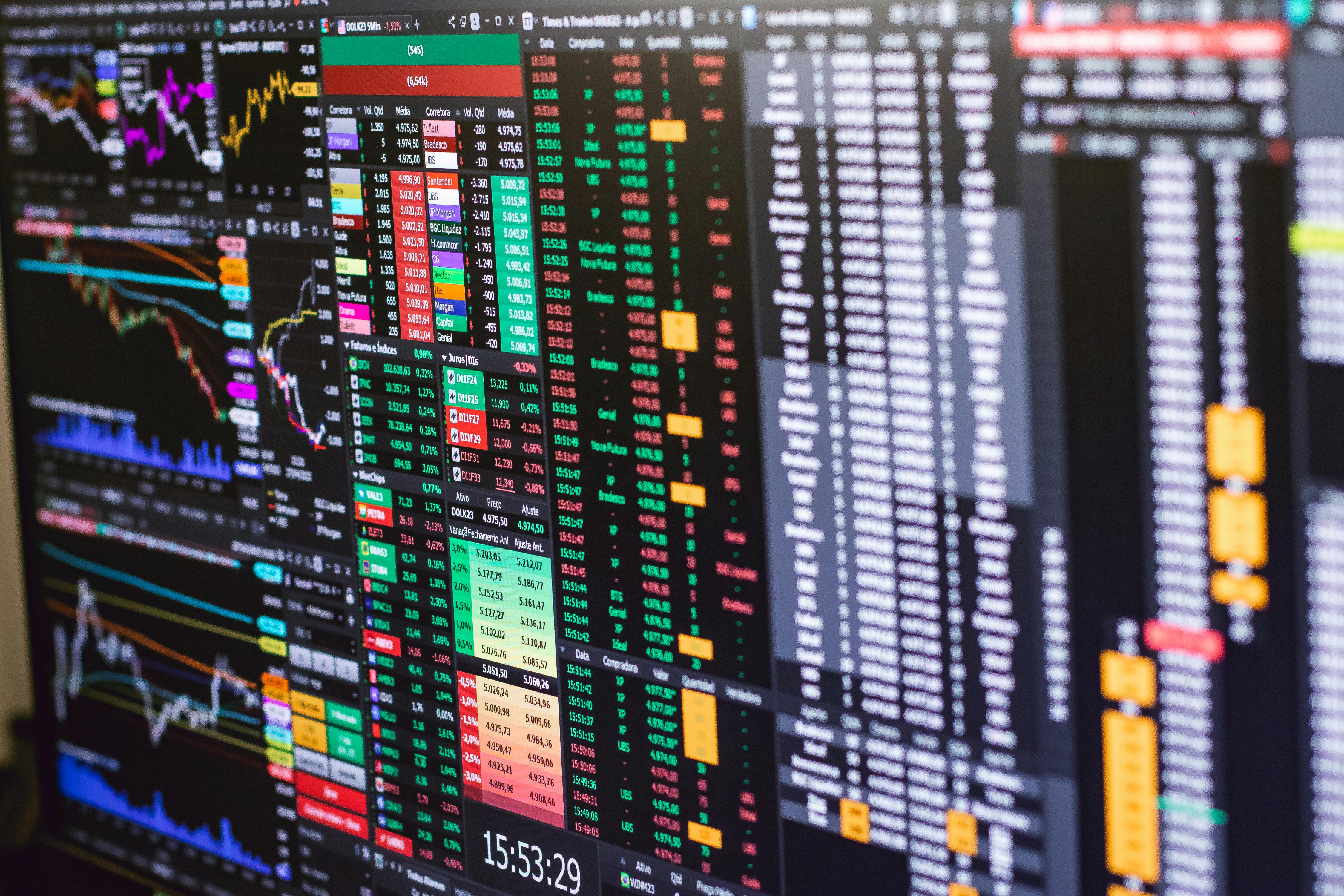
Three assets that usually move against each other are all climbing now. Oil prices, Treasury yields and gold have risen together since early May — a shift that reverses the negative correlation that has governed markets since the Federal Reserve started raising rates in 2022. Peter Schiff, the Euro Pacific Capital chairman and a longtime critic of central-bank policy, flagged the pattern this week as evidence that markets are repricing for a world in which inflation, not growth, drives asset correlations.
Schiff told Benzinga that “this new trend may be emerging as oil prices, bond yields and precious metals have moved higher simultaneously, reversing the negative correlation that’s dominated trading since the war broke out.”
Consider the numbers. Ten-year Treasury yields sat at 4.42 per cent as of May 11, up 68 basis points since the start of the year. Gold has gained 9.2 per cent year-to-date through the same date. Brent crude traded at $114.60 a barrel as of the late-April Federal Reserve meeting. And the S&P 500 — up 8.3 per cent over the same stretch — has not been dragged lower by any of it. Rising yields pushed gold down and capped oil demand expectations for three years. The playbook has stopped working. Schiff’s argument is that the breakdown itself is the signal: investors are buying gold as an inflation hedge and selling duration simultaneously, a posture that has no precedent in the post-financial-crisis era.
But Schiff’s model of how inflation arrives deserves scrutiny. In a separate interview with Yahoo Finance, he argued that expensive oil will not directly raise consumer prices. “Rising oil prices won’t cause higher inflation. More expensive oil means Americans will have less money to spend on other things. Reduced spending will cause a recession, which will result in larger budget deficits, rate cuts and QE. That’s what will cause higher inflation.”
The debate splits here. Schiff’s sequential argument — oil crushes demand, fiscal stimulus follows, inflation arrives later — skips a step that traditional macroeconomists flag as the more immediate channel. Supply-side energy shocks raise production costs across the economy directly, and the April consumer price index already shows headline inflation running at 3.8 per cent, the fastest pace since 2023. Core shelter inflation accelerated to 3.3 per cent from 3.0 per cent the month prior. The numbers do not suggest demand destruction. They suggest cost-push pressure already working through the economy.
“If oil stays above $100 into June, energy passthrough peaks in the May-to-early-June window and ties the Fed’s hands,” said one rates strategist at a major US bank, who asked not to be named because the view isn’t yet published. If the Federal Reserve cannot cut rates because inflation is re-accelerating, duration assets — long-dated bonds — get repriced lower. Gold benefits from both the inflation narrative and the safe-haven bid that comes with fiscal uncertainty.
What the correlation breakdown means
Post-2022, the playbook was clean. When yields rose on hawkish Fed repricing, gold fell because the opportunity cost of holding a zero-yield asset went up. Oil demand expectations softened because tighter financial conditions implied slower growth. All three moved in a predictable triangle.
That triangle has broken. OneEquity’s correlation tracker shows the 60-day rolling correlation between Brent crude and the 10-year Treasury yield turned positive in April for the first time since early 2022. Gold-yields, similarly, have moved from deeply negative to near zero. When these three assets move together, the common factor is not growth expectations or risk appetite. It is inflation.
Ed Yardeni, the founder of Yardeni Research and one of the few analysts who correctly called the 2023-2024 disinflation, has been flagging stagflation risk since March. In a note to clients, Yardeni’s team wrote that the combination of above-$100 oil, sticky core services inflation and a Fed that cannot ease “resembles the 1973-74 setup more than any period in the last 50 years.” The parallel is imperfect — the US economy isn’t trapped in a wage-price spiral — but the direction of travel is uncomfortable.
The rate path and the fiscal trap
Schiff’s most pointed claim is that the Fed is boxed in. “We are headed for a full-blown financial crisis,” he told TheStreet this week. “Unless the Fed raises rates several hundred basis points now, inflation will skyrocket.”
Markets do not price anything close to that. Fed funds futures imply the central bank will hold rates steady through September and deliver at most one 25-basis-point cut by year-end. Bank of America’s economics team has already pushed its first-cut call to 2027. Goldman Sachs postponed its December-cut forecast last week, pointing to the Iran-driven oil disruption.
And yet Schiff’s prescription — hike now, and hard — is an outlier. The Federal Reserve’s March meeting minutes, released in full last month, show most participants viewed the oil shock as a one-time supply disruption that should fade by the second half of the year. Chair Jerome Powell, in what may prove to have been his final press conference before Kevin Warsh takes the gavel, reiterated that the base case was for inflation to resume its downward trend “once energy markets stabilise.”
Yet energy markets may not stabilise. The Strait of Hormuz — through which roughly a fifth of global oil supply passes — remains contested. Aramco’s chief executive has said he expects normalisation by July, but that timeline has already slipped once. If Brent stays above $100 into the northern-hemisphere autumn, the look-through argument weakens. Inflation expectations, as measured by the 5-year, 5-year forward breakeven rate, have already climbed 32 basis points from their February low, according to data tracked by FX Empire.
Why gold is the canary
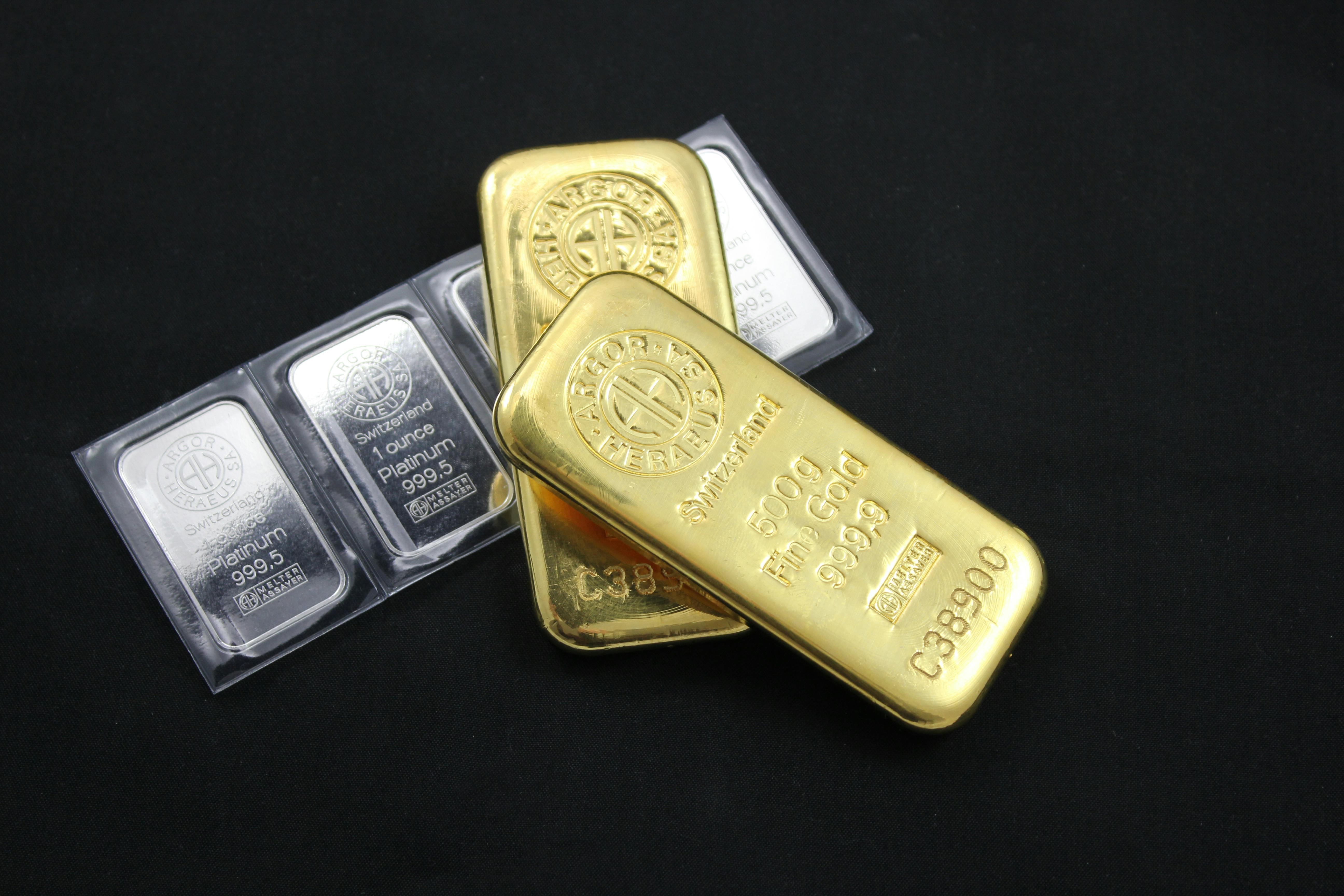
Gold’s 9.2 per cent year-to-date rally is revealing because it has come alongside rising real yields — a configuration that historically would have crushed the metal. As a prior analysis on scramnews noted, gold’s traditional inverse relationship with real rates has been weakening since 2022, driven by central-bank buying, geopolitical hedging and a quiet erosion of confidence in US fiscal sustainability.
Schiff’s framing adds a fourth driver. The market is starting to price a scenario where the Federal Reserve cannot fight inflation without triggering a sovereign debt crisis. In that world, gold isn’t an inflation hedge in the narrow sense. It’s an insurance policy against a loss of faith in the currency itself.
The claim is dramatic. Yet institutional allocators appear to be taking it seriously. The World Gold Council reported last month that central-bank gold purchases in the first quarter of 2026 totalled 228 tonnes, the highest Q1 figure since the data series began in 2000. Buyers are concentrated in Asia and the Middle East — jurisdictions that the US Treasury has sanctioned or threatened to sanction in the past three years.
What’s next
The next CPI print, due in early June, will be the critical data point. If headline inflation stays above 3.5 per cent with Brent above $100, the Fed’s “look-through” posture becomes harder to defend. A second consecutive hot print would push the rates market toward pricing a higher-for-longer terminal rate — and possibly revive talk of a hike, however remote that scenario looks now.
For equity investors, the S&P 500’s 8.3 per cent year-to-date gain sits on a fragile foundation. It has been carried by a handful of large-cap technology stocks that are, for now, insulated from the energy and rates story by AI-driven earnings growth. Correlation regimes do not stay broken forever without consequences. If the oil-yields-gold triangle stays inverted, it will eventually show up in equity volatility.
Schiff’s warning is not the consensus. It is the loudest articulation of a view that has moved from fringe to plausible in six weeks. The market’s next move will speak for itself.
Sloane Carrington
Markets columnist. Analytical pieces and deep-dives on monetary policy, capital flows and corporate strategy. Reports from New York.