Goldman delays Fed rate cut path to December as Iran shock persists
Goldman Sachs has pushed back its forecast for the Federal Reserve's 2026 rate cuts to September and December, citing oil-driven inflation from the US-Iran war. The shift aligns the bank with the Fed's own dot plot and the Wall Street consensus that easing will arrive late.
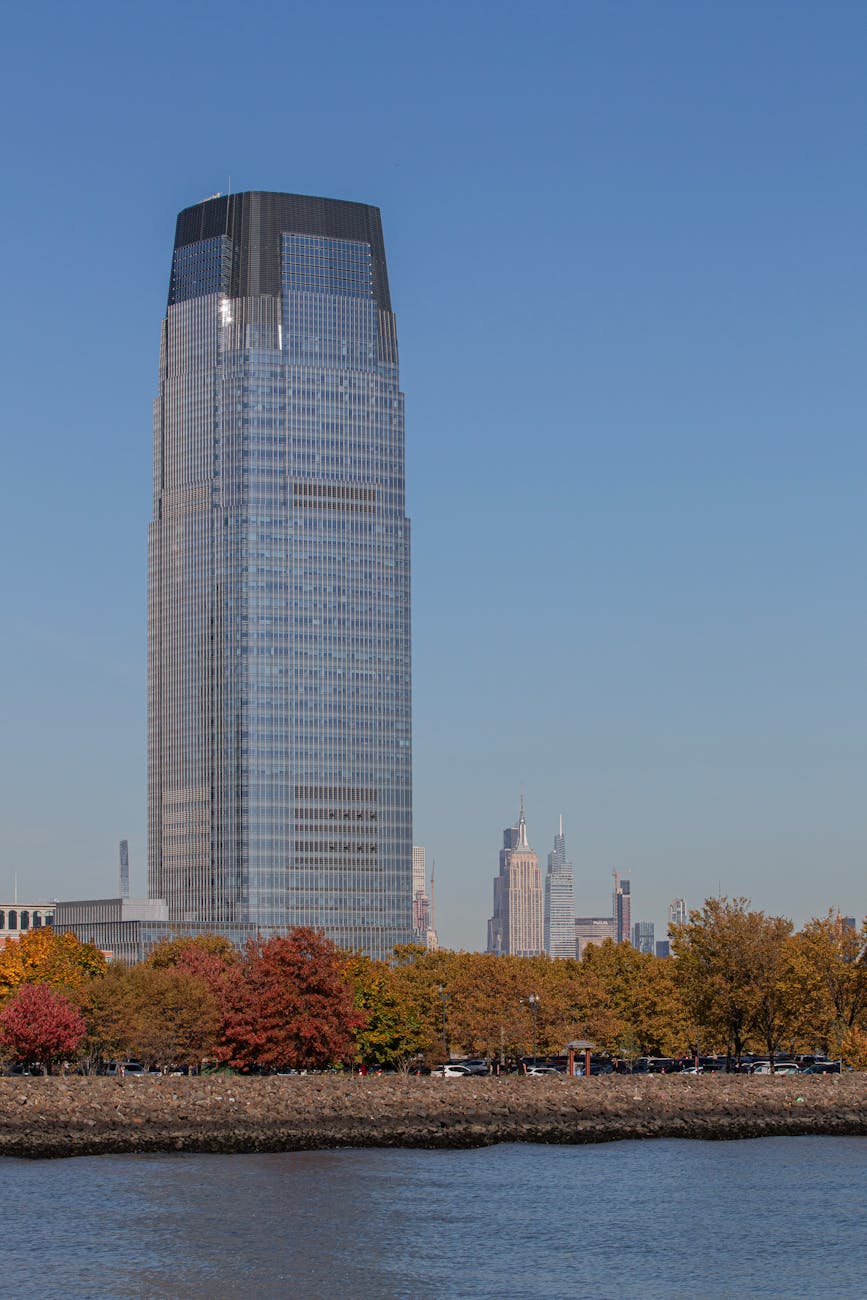
Goldman Sachs pushed back its forecast for the Federal Reserve’s 2026 rate-cut path on Friday, telling clients it now expects two 25 basis point reductions in September and December, after previously projecting cuts as early as June. The shift follows a heavier inflation overhang from the US-Iran war and an oil shock the bank says will take months to wash through the data.
The note, distributed to institutional clients, leaves Goldman closer to the Wall Street consensus and in line with the Fed’s own dot plot, which in March pencilled in a single 25 basis point cut for 2026. The benchmark federal funds rate sits at 3.50 to 3.75 per cent, held at the Federal Open Market Committee’s last two meetings.
Goldman’s revised path slots beside the bank’s higher inflation forecasts. Earlier this month, economist Elsie Peng and colleagues lifted Goldman’s December 2026 core PCE projection to 2.6 per cent from 2.5 per cent, and headline PCE to 3.4 per cent from 3.1 per cent. The framework attributes 0.35 percentage points to core PCE and 1.25 percentage points to headline PCE this year from elevated commodity costs.
The proximate trigger is energy. Brent crude has averaged near $100 a barrel through April and May, with Goldman’s framework projecting a decline to $90 by the fourth quarter. The Strait of Hormuz remains largely closed, the firm said, with limited evidence of breakthrough negotiations to ease the bottleneck.
In its note, Goldman framed the conflict as an inflation shock rather than a demand-driven downturn. “The period of greatest risk is likely over the next couple of months both because the chances of re-escalation are highest over that period, but also because we think the initial energy shock may pass through the system more quickly than the tariff shock, and its economic impact may already be clearer by early summer,” the note said.
The shift puts Goldman alongside other forecasters trimming their easing calls. Bank of America scrapped its 2026 cut forecast last week, pushing the next move into the second half of 2027 on the back of sticky inflation and a stronger-than-expected April jobs print.
What the Fed has signalled
The committee voted last month to hold, with four members dissenting against the hold. It was the first such split in over three decades. Boston Fed President Susan Collins, who lacks a vote this year but has signalled alignment with the dissenters, told colleagues she would prefer to revise the policy statement to “not be as closely aligned with language that has been associated with the presumption that the next move will be a cut.”
Fed Chair Jerome Powell, asked about the divide, characterised the centre of the committee differently. “The center is moving toward a more neutral place,” Powell said. “People are not saying that we need to hike now.”
Governor Christopher Waller said on April 17 he sees a forecast in which underlying inflation continues to drift toward 2 per cent. “Leaving me cautious about rate cuts now and more inclined toward cuts to support the labor market later this year when the outlook is more steady,” Waller said.
Governor Stephen Miran has been the lone voice favouring a cut. President Donald Trump’s nominee to succeed Powell, former Fed Governor Kevin Warsh, is still awaiting Senate confirmation.
The FOMC’s most recent statement noted that “developments in the Middle East are contributing to a high level of uncertainty about the economic outlook,” language Goldman flagged as a tell that the committee will keep its powder dry. Collins reinforced the point in an earlier address that pinned rates on the Iran inflation pass-through.
How markets are positioned
The CME Group’s FedWatch Tool was pricing close to 100 per cent odds on the FOMC holding rates at its next meeting, with futures showing investors leaning toward at most one cut over the balance of the year. The February PCE print, the Fed’s preferred inflation gauge, came in at 2.8 per cent, with March data due imminently.
Goldman cautioned that the path is two-sided. A prolonged conflict or fresh escalation could keep oil bid and delay or derail cuts altogether by reinforcing inflation expectations. A viable peace agreement in the Gulf, conversely, could accelerate disinflation and let the Fed move sooner. Markets have already begun to price the latter, the bank said, with optimism around proposed ceasefire talks bleeding into the energy curve.
“Outside economists and business leaders broadly agree that while easing geopolitical tensions could pave the way for rate cuts in 2026, policymakers risk moving too quickly if inflation tied to energy prices remains elevated,” Goldman said.
What’s next
The April PCE release, the FOMC’s next meeting at the end of April, and the trajectory of US-Iran negotiations are the proximate inputs that will validate or upend Goldman’s revised path. The firm said its base case still expects underlying inflation to drift back toward target into the second half of the year, with the labour market the more pressing risk by year-end.
For now, the bank’s message is patience over precision. With oil sitting near triple digits and the policy statement leaning hawkish, Goldman has joined the camp that sees the Fed’s first 2026 cut arriving late, not early.
Helena Brandt
Macro reporter covering the Federal Reserve, ECB, inflation prints and jobs data. Reports from Washington.