How a $10,500 Copper Forecast Missed by $3,000 a Tonne
LME copper settled at $13,445 per tonne on May 8 — 28 per cent above the $10,500 consensus that analysts handed Reuters in October 2025. The poll anticipated supply disruptions in Indonesia, Congo, and Chile, but missed the Iran war, Hormuz closure, and China's acid export ban.
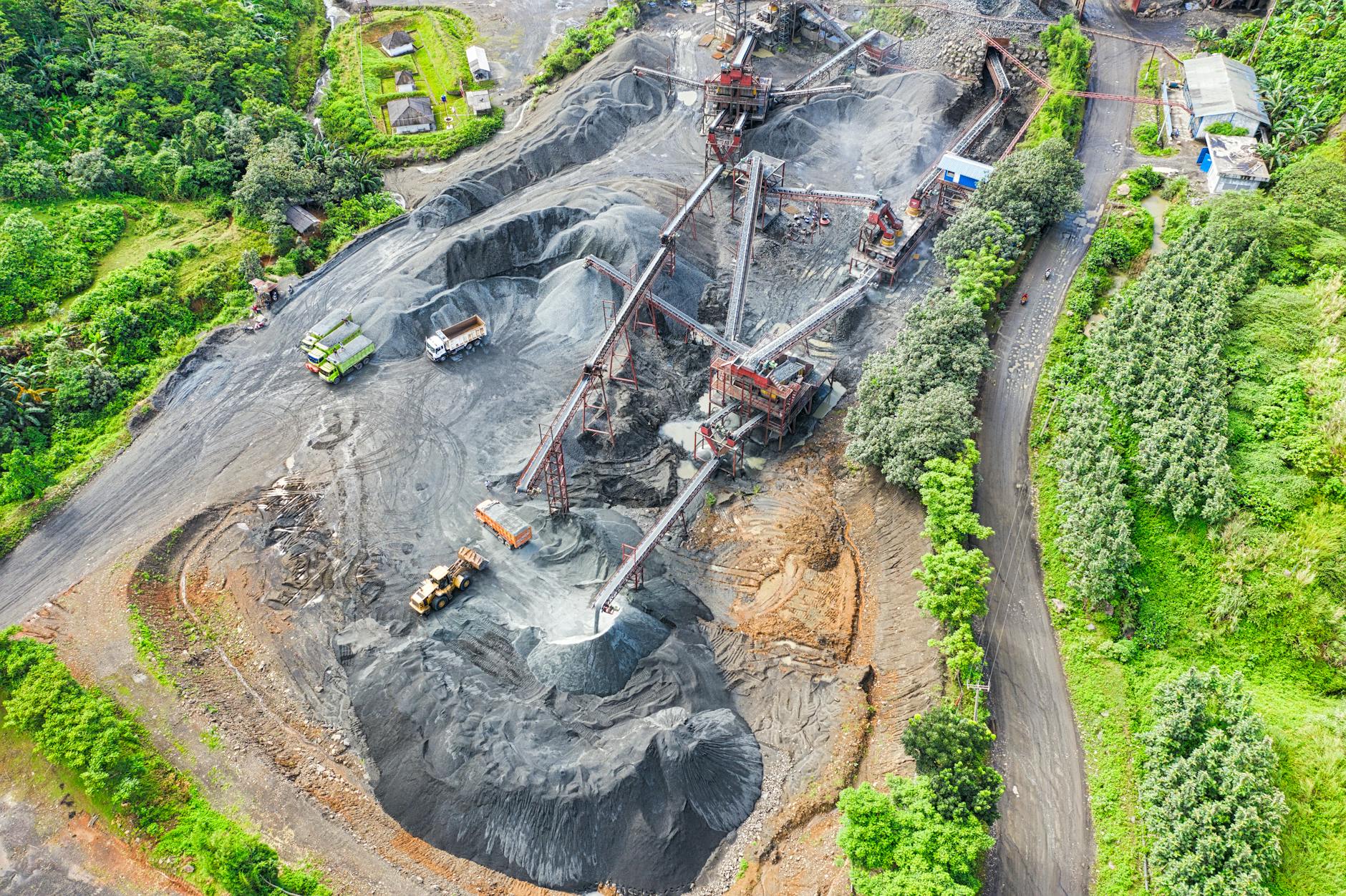
Copper settled at $13,445 per tonne on the London Metal Exchange on May 8, leaving the metal 28 per cent above the $10,500 average that analysts forecast for 2026 in a Reuters poll published in October. The consensus, compiled from 22 respondents by Shanghai Metals Market, correctly identified the direction of supply-side pressure — mine disruptions in Indonesia, Congo, and Chile — but missed the magnitude by nearly $3,000 a tonne.
What the October poll could not price in were four events that no forecaster had on their baseline: the September 2025 mudslide at Freeport-McMoRan’s Grasberg mine in Indonesia, which has now pushed a full restart to early 2028; the U.S.-Iran war escalation that closed the Strait of Hormuz in March; China’s suspension of sulfuric acid exports, announced April 9; and the knock-on diesel shortages now constraining mine logistics across Africa and South America.
So the forecast was not wrong about the problem. It was wrong about how fast it would arrive.
“When the Reuters poll was conducted in October, the Grasberg mudslide had just happened and the scale of disruption wasn’t yet clear,” Gregory Shearer, head of base and precious metals strategy at J.P. Morgan, wrote in an April 24 research note. Shearer now projects copper at $13,500 per tonne in the second quarter, $13,000 in the third, and $12,500 by the fourth, with a medium-term support zone of $11,100 to $11,200 — levels that sit comfortably above the October consensus even in what he describes as a bearish macro environment.
The forecast that flipped
The October poll had projected a 150,000-tonne refined copper deficit for 2026. Seven months later, the International Copper Study Group reversed that call. On April 27, the ICSG revised its 2026 market balance to a 96,000-tonne surplus, cutting demand growth to 1.6 per cent from a prior estimate of 2.1 per cent. The surplus projection reflects demand destruction from elevated energy prices. It does not signal relief on the supply side. Spot treatment charges, the fees miners pay smelters to process concentrate, have collapsed to negative $80.35 per tonne — the clearest indication that mine output is falling short of smelter capacity even as downstream demand weakens.
“The supply chain is breaking down,” Ivanhoe Mines founder Robert Friedland told the FT Commodities Global Summit in April. Codelco chairman Maximo Pacheco told the same audience: “Producing copper today is more and more difficult.”
Nowhere is that more visible than at Grasberg.
Grasberg’s long tail
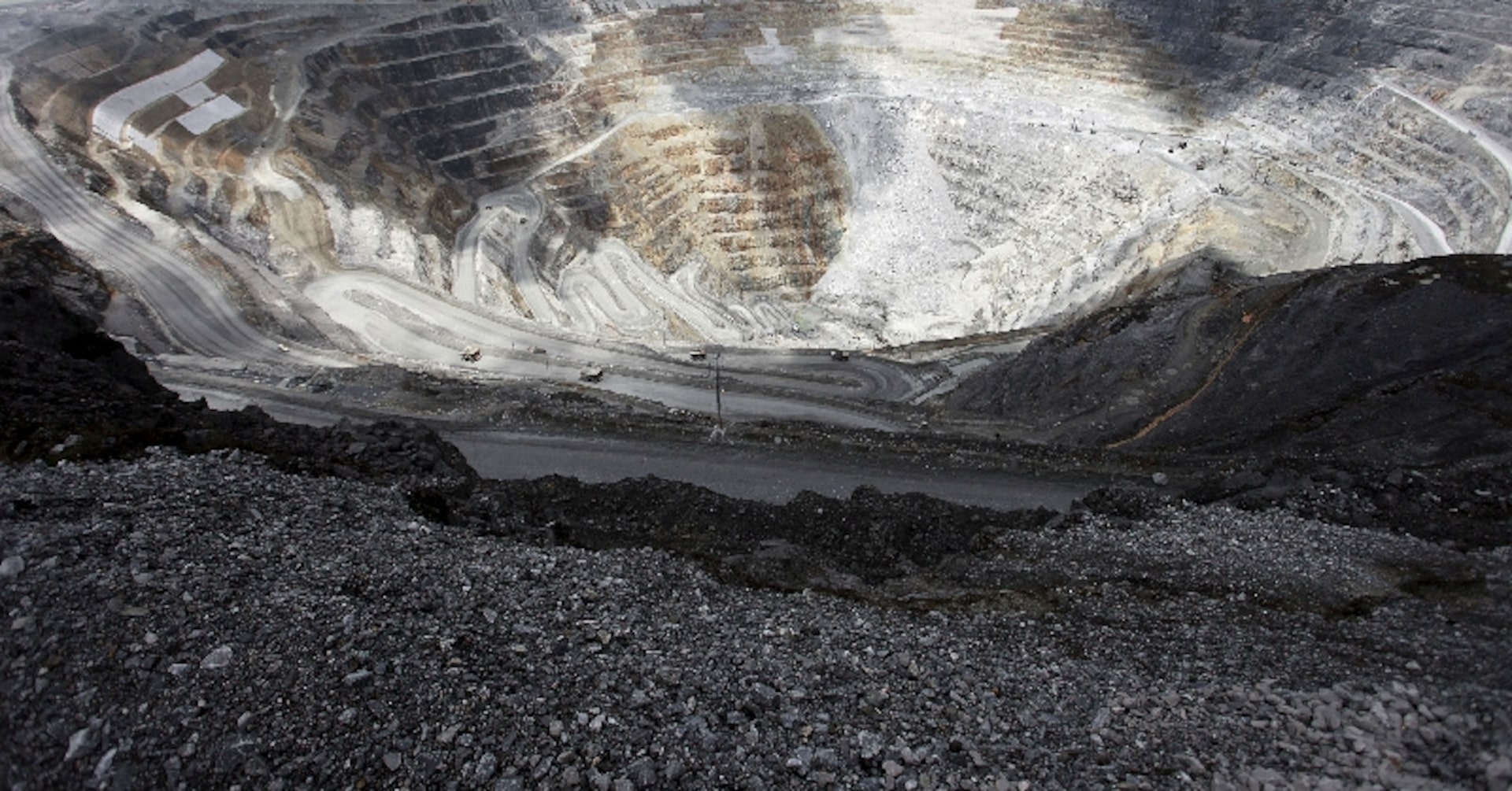
The Grasberg mine in Papua, Indonesia, shows the bottleneck at its most acute. The operation produced 680,000 tonnes of copper in 2023, equivalent to roughly 3 per cent of global mined supply. After the September 2025 mudslide, production has been running at 40 to 50 per cent of capacity. Freeport Indonesia has cut its 2026 production target to 700 million pounds, down from 1 billion pounds — a 30 per cent reduction. The full restart, originally expected by late 2026, has been pushed to early 2028, according to an analysis by The Oregon Group published on May 11.
Chile, which accounts for roughly 25 per cent of global copper production, is also losing ground. The country’s output fell 9.04 per cent year on year in March to 434,314 tonnes, according to data from the national statistics institute INE. Codelco, the state-owned producer, saw its production decline roughly 10 per cent in the same period. Maximo Pacheco in April called the operating environment the most difficult he had seen in decades at the state-owned miner.
Sulfur, acid, and diesel
Then there is the acid crisis. Roughly 17 to 21 per cent of global copper supply is produced via solvent extraction and electrowinning, a hydrometallurgical process that requires sulfuric acid to leach copper from oxide ores. China’s decision to suspend sulfuric acid exports from May 18 has cut off a critical reagent. China supplied roughly 37 per cent of Chile’s sulfuric acid imports in 2025. Goldman Sachs estimates 200,000 tonnes of Chilean copper output is at risk if the export restrictions hold through year-end. A further 125,000 tonnes of Congolese production could be curtailed if supply delays extend through June.
Compounding the acid shortage, 49 per cent of global seaborne sulfur trade transits the Strait of Hormuz, which has been closed since the Iran conflict escalated in March. “The sulfur is there for those who can pay the price,” Trafigura’s global head of metals and minerals analysis Graeme Train told the FT summit. Bank of America analysts noted in an April 17 research note that the fragmented and logistics-intensive supply chain makes diesel “particularly constrained and costly in mining regions.”
What the treatment charges are saying
The dislocation shows up most clearly in the treatment charge market. Spot TCs at negative $80.35 per tonne — where smelters effectively pay miners to take concentrate — signal a raw material shortage that no amount of demand-side weakness has offset. At current copper prices near $13,000 per tonne, miners are generating median all-in sustaining cost margins of roughly 55 per cent, according to Sprott. Yet that margin is not translating into new supply, because the operating environment has deteriorated on multiple fronts.
The October 2025 consensus was not wrong about the structural direction. Copper demand is projected to rise 50 per cent by 2040, from 28 million to 42 million tonnes, with roughly 45 per cent of consumption coming from electrification and grid infrastructure — a trajectory the White House underscored on April 20 when it invoked Section 303 of the Defense Production Act to designate the electrical grid as critical to national defence. What the consensus missed was the timeline. Instead of tightening gradually across 2026 and 2027, the market has absorbed three years’ worth of supply disruption inside six months.
Reza Najjar
Commodities desk covering oil, natural gas, gold and base metals. Reports from London.
Related
Three broken mines, one closed strait, and a copper market running on fumes
Copper at $13,311 defies October poll as Freeport units split on Grasberg restart
Gold pushes toward $4,800 as oil slide and lower yields fuel rally
Gold climbs to $4,734, eyes $4,750 breakout as Fed fears ease and central banks keep buying