Copper forecasts top $10,000 for first time on deepening supply deficit
A Reuters poll of 30 analysts forecasts LME cash copper averaging $10,500 per metric ton in 2026, up 7.2% from July's estimate, as mine disruptions from Indonesia to the Congo flip the market from surplus to a projected 150,000-tonne deficit.

A Reuters poll of 30 commodity analysts lifted the median forecast for LME cash copper to $10,500 per metric ton in 2026 — the first time the consensus has breached the $10,000 mark and a 7.2 percent increase from the $9,796 estimate in the July survey.
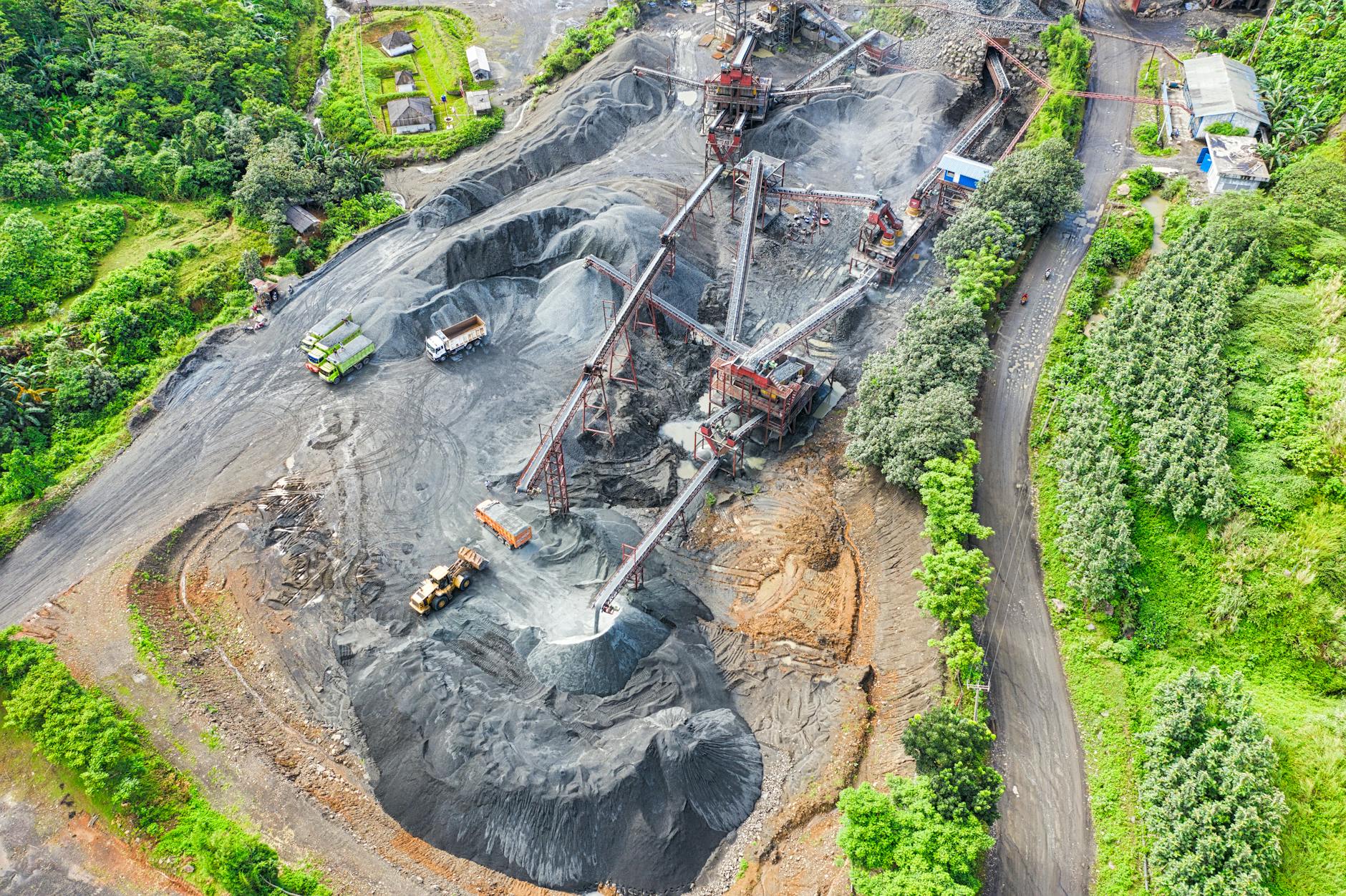
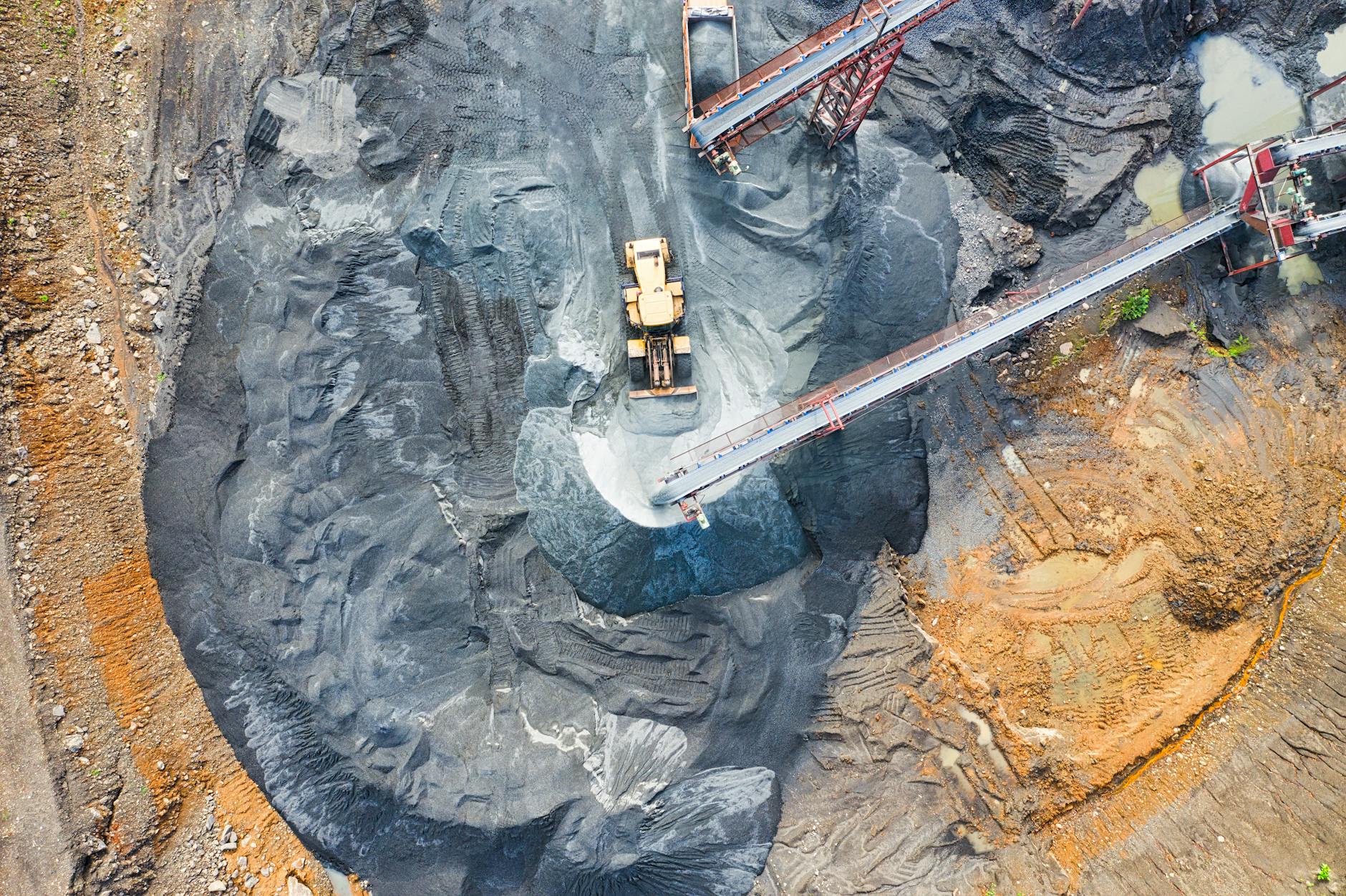
The revision, published in October 2025, was driven by mine disruptions that reshaped the supply outlook and forced analysts to revise their models. Output setbacks at Freeport-McMoRan’s Grasberg operation in Indonesia, alongside production constraints in the Democratic Republic of Congo and grade declines at ageing Chilean pits, flipped the refined copper market from an expected surplus to a projected deficit of roughly 150,000 tonnes.
“We expect copper to hold onto its recent gains and sustain these into 2026 and beyond,” said Matthew Sherwood, senior analyst at the Economist Intelligence Unit, who contributed to the poll. “Recent developments now suggest the refined copper market will begin to tighten earlier than we previously forecast.”
The Grasberg disruption was the largest single catalyst. In September 2025, flooding at the Indonesian underground mine — one of the world’s largest copper operations, producing more than 700,000 tonnes of concentrate annually — killed seven workers and forced Freeport to suspend production for weeks. The outage removed a material volume of high-grade concentrate from the global supply chain at a moment when smelters were already running thin on spot feed. Operational setbacks at mines in the Congo’s Katanga belt and the slow decline of ore grades at Chile’s century-old porphyry deposits compounded the loss, erasing the surplus analysts had pencilled in only three months earlier. Three separate supply shocks hit within the same quarter.
Copper posted a 25 percent year-to-date gain by the time the October poll was conducted. Prices kept climbing.
By January 2026, a follow-up Reuters survey of 31 analysts pushed the median forecast to $11,975 per tonne — a 14 percent jump in three months and the largest inter-poll upgrade in the survey’s history. By May, LME cash copper was trading near $13,943, well above both forecasts and within sight of the all-time high of $14,411 set in May 2024.
Not everyone is convinced the run has legs.
“We expect copper to trade in a new higher normal range, but looking across the year, we see prices above $13,000 per ton as unsustainable,” said Natalie Scott-Gray, an analyst at StoneX. “When we start to reach extreme levels, this is often accompanied by sharp reversals.”
Her caution has a basis in the demand side. Supply constraints are real, but the global macro backdrop entering 2026 was not uniformly bullish: manufacturing PMIs in China, the world’s largest copper consumer, ran below the 50-point expansion threshold, European industrial production stayed sluggish, and the physical premium for spot copper in Shanghai — a real-time gauge of Chinese buying appetite — spent stretches of the first quarter in negative territory. The same poll that lifted the 2026 forecast also flagged that demand growth assumptions, particularly those tied to grid buildout and electric-vehicle manufacturing, might be running ahead of actual deployment on the ground. The supply disruption is measurable; the demand thesis, less so.
Andy Home, Reuters’ senior metals columnist, captured the tension in February: copper was “pricing scarcity at a time of plenty.” The visible inventory build at LME and Shanghai Futures Exchange warehouses through late 2025 and early 2026 — refined metal sitting in sheds, not being consumed — sat uneasily alongside the deficit narrative. The market was betting on future tightness while staring at current abundance.
The resolution, so far, has favoured the bulls. The inventory overhang has been absorbed. The spot price has converged toward — and then past — the most aggressive forecasts. Whether that reflects genuine physical tightness or speculative positioning ahead of expected supply shocks is the question that will define the next leg. For copper bears, the supply-side damage is real and quantifiable: the 150,000-tonne deficit projection is not a demand forecast dressed up as a supply story. It is a mechanical subtraction of known output losses from a pre-existing balance.
The signal from the analyst community is clear: the copper market has structurally tightened, and prices that once looked speculative are becoming the new baseline. Copper has already broken records. The harder question is whether it can hold those levels once the supply disruptions ease and whether the demand growth the bulls expect actually arrives.
Reza Najjar
Commodities desk covering oil, natural gas, gold and base metals. Reports from London.
Related

Copper to average $10,500 a tonne in 2026 as mine disruptions fuel deficit
Reuters poll forecast $10,500 copper for 2026. The market blew past it.
Copper to Average $10,500 in 2026 as Supply Deficit Deepens
Reuters poll: copper to average $10,500 per tonne on LME in 2026