Copper to average $10,500 a tonne in 2026 as mine disruptions fuel deficit
A Reuters poll forecasts LME copper will average $10,500 per metric ton next year, up 7.2% from July's estimate, as supply disruptions push the market into a 150,000-tonne shortfall.

Copper will average $10,500 per metric ton on the London Metal Exchange in 2026, a Reuters poll of analysts forecasts, as supply disruptions at mines push the refined market into its deepest deficit in years.
The median prediction represents a 7.2% upgrade from the July estimate of $9,796, when analysts were still weighing the impact of recent operational setbacks across major copper-producing regions. The revised outlook signals tighter supply conditions than previously expected, with the market now projected to swing to a 150,000-tonne deficit next year.
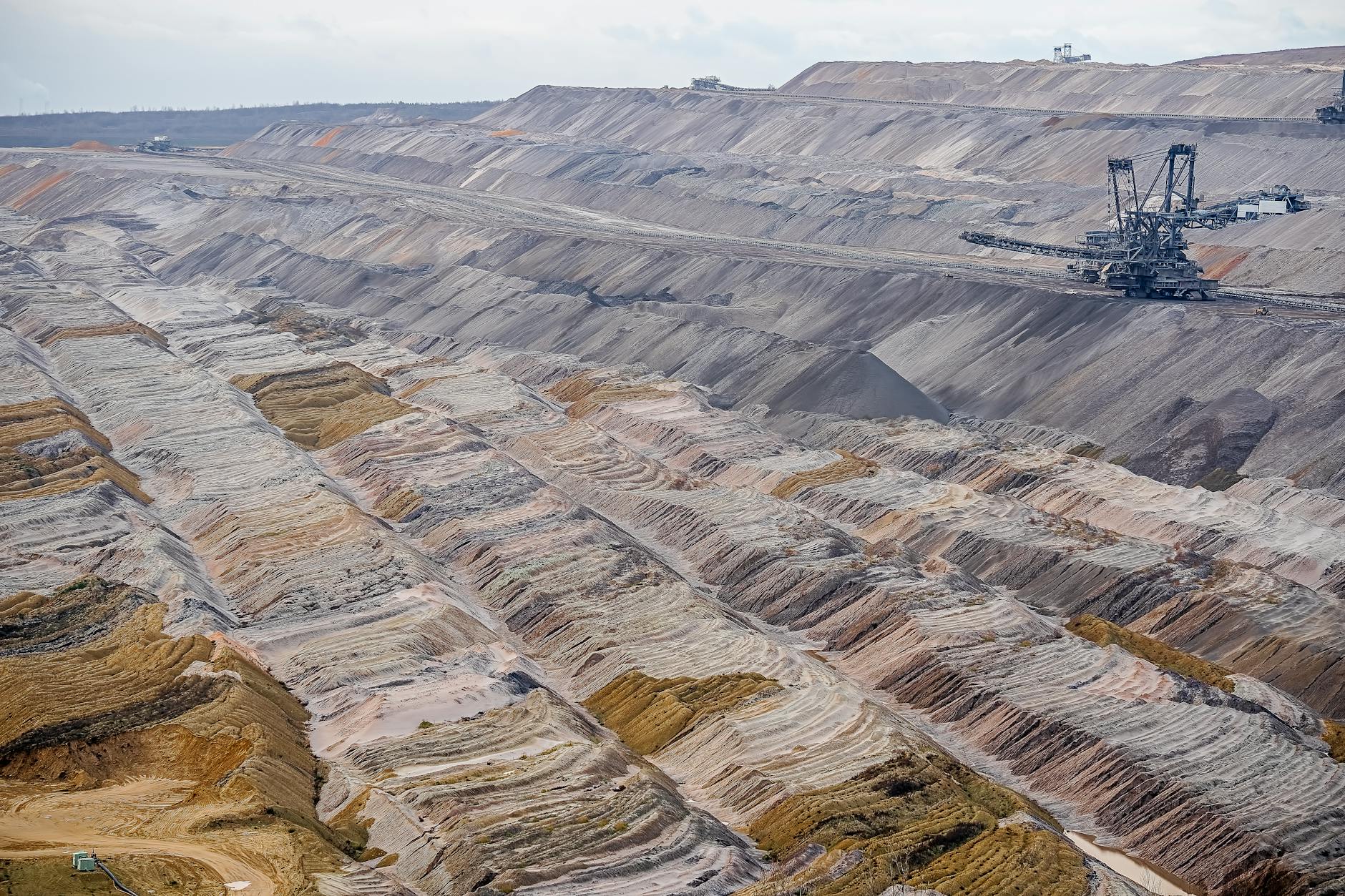
Mine disruptions are the primary driver. Production halts at operations in Chile, the world’s largest copper producer, have constrained output at a time when demand remains resilient from clean-energy infrastructure projects. The disruptions range from labor strikes to technical problems at aging mines, issues that can take months to resolve once they cascade through the supply chain.
“We expect copper to hold onto its recent gains and sustain these into 2026 and beyond,” said Matthew Sherwood, an economist at the Economist Intelligence Unit. “Recent developments now suggest the refined copper market will begin to tighten earlier than we previously forecast.”
The shift in sentiment reflects growing recognition that supply-side constraints are more persistent than the temporary shortfalls assumed in earlier projections. When mines throttle back production, the lost output cannot easily be replaced because new deposits take years to develop and even existing projects require time to ramp up.
Demand remains supported by the energy transition. Copper is a critical component in electric vehicles, renewable energy infrastructure, and grid upgrades needed to accommodate higher electricity loads. These sectors continue to expand despite broader economic uncertainty, providing a floor for consumption even as traditional industrial demand shows signs of softening.
But the supply picture is the immediate concern.
Production cuts have been reported across multiple jurisdictions, not just Chile. Operations in Peru and parts of Africa have also faced disruptions, creating a cumulative effect that compounds the supply shortfall. When several mines reduce output simultaneously, the market absorbs the impact more sharply than if only one operation were affected.
The deficit projection for 2026, at 150,000 tonnes, represents a material shift from earlier balance estimates. A deficit of that size would draw down above-ground stocks, putting upward pressure on prices as buyers compete for available metal. Stockpiles at LME-registered warehouses have already been declining, a trend that would accelerate if the refined market tightens as forecast.
What this means for prices depends on how quickly mines can restore full production and whether new supply comes online. The Reuters poll suggests the market expects a tight balance through at least the first half of 2026, with prices averaging above $10,500 before any potential easing in the second half if supply recovers.
The upgrade from July’s $9,796 estimate to $10,500 is not trivial in percentage terms. It reflects a reassessment of the supply-demand equation, with analysts giving more weight to production constraints and less to the possibility that mine owners can quickly recover lost output.
Copper has been volatile in 2025, with prices swinging on concerns about global growth and supply disruptions. The Reuters poll points to 2026 as a year when those supply concerns dominate, at least in the first half, keeping prices elevated even if economic growth disappoints.
The question for the market is whether the deficit proves temporary or structural. If mines resolve their operational issues and new projects deliver as planned, the shortfall could narrow by late 2026. But if disruptions persist and new supply disappoints, the deficit could deepen, putting further upside pressure on prices beyond the current forecast.
Reza Najjar
Commodities desk covering oil, natural gas, gold and base metals. Reports from London.
Related
Copper to Average $10,500 in 2026 as Supply Deficit Deepens
Reuters poll forecast $10,500 copper for 2026. The market blew past it.
Reuters poll: copper to average $10,500 per tonne on LME in 2026

How a $10,500 Copper Forecast Missed by $3,000 a Tonne