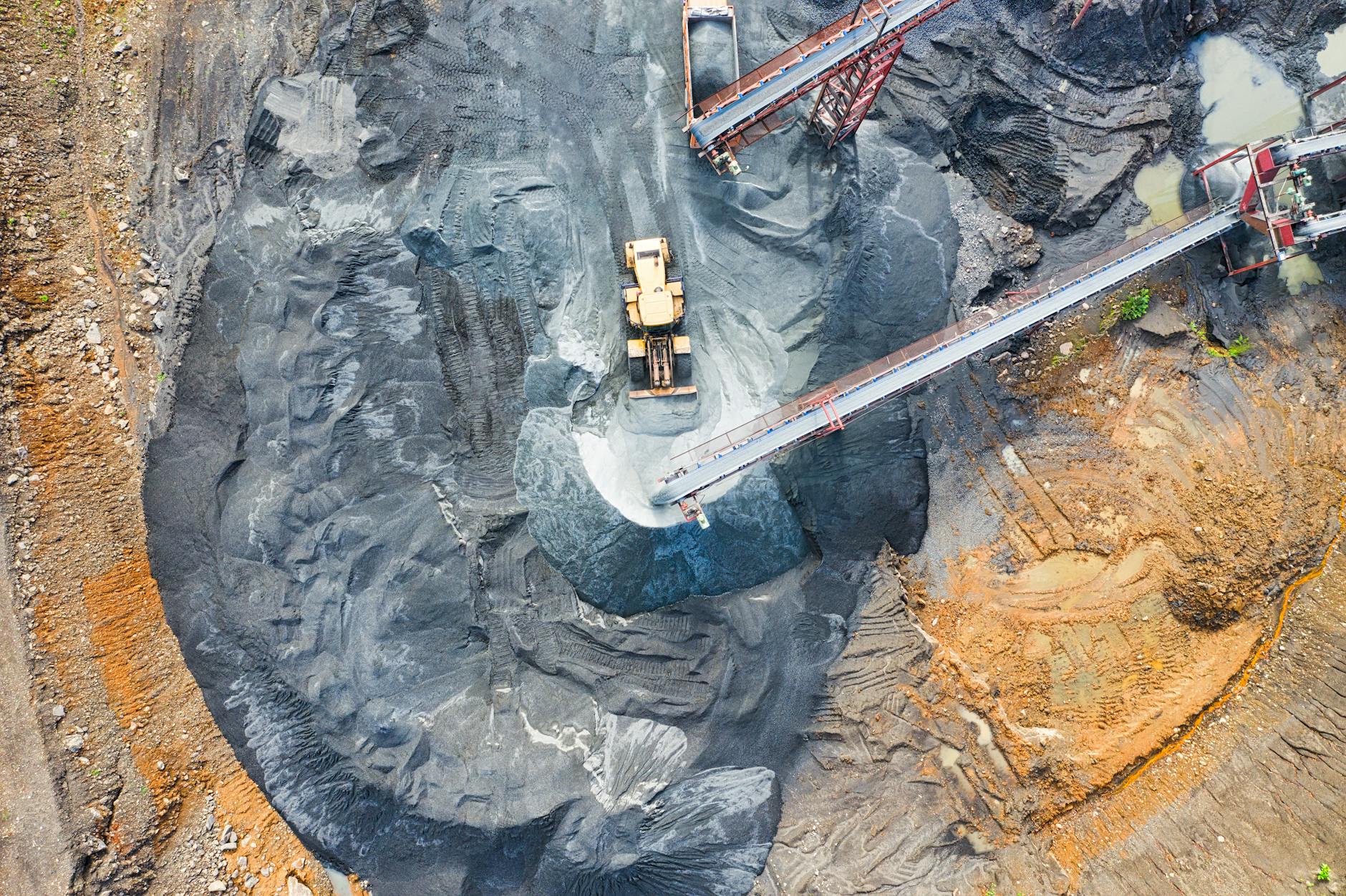
Copper to Average $10,500 in 2026 as Supply Deficit Deepens
Copper will average $10,500 per tonne on the London Metal Exchange in 2026, according to a Reuters poll of 30 analysts, as mine disruptions in Chile and Peru squeeze global output while electric-vehicle demand accelerates.
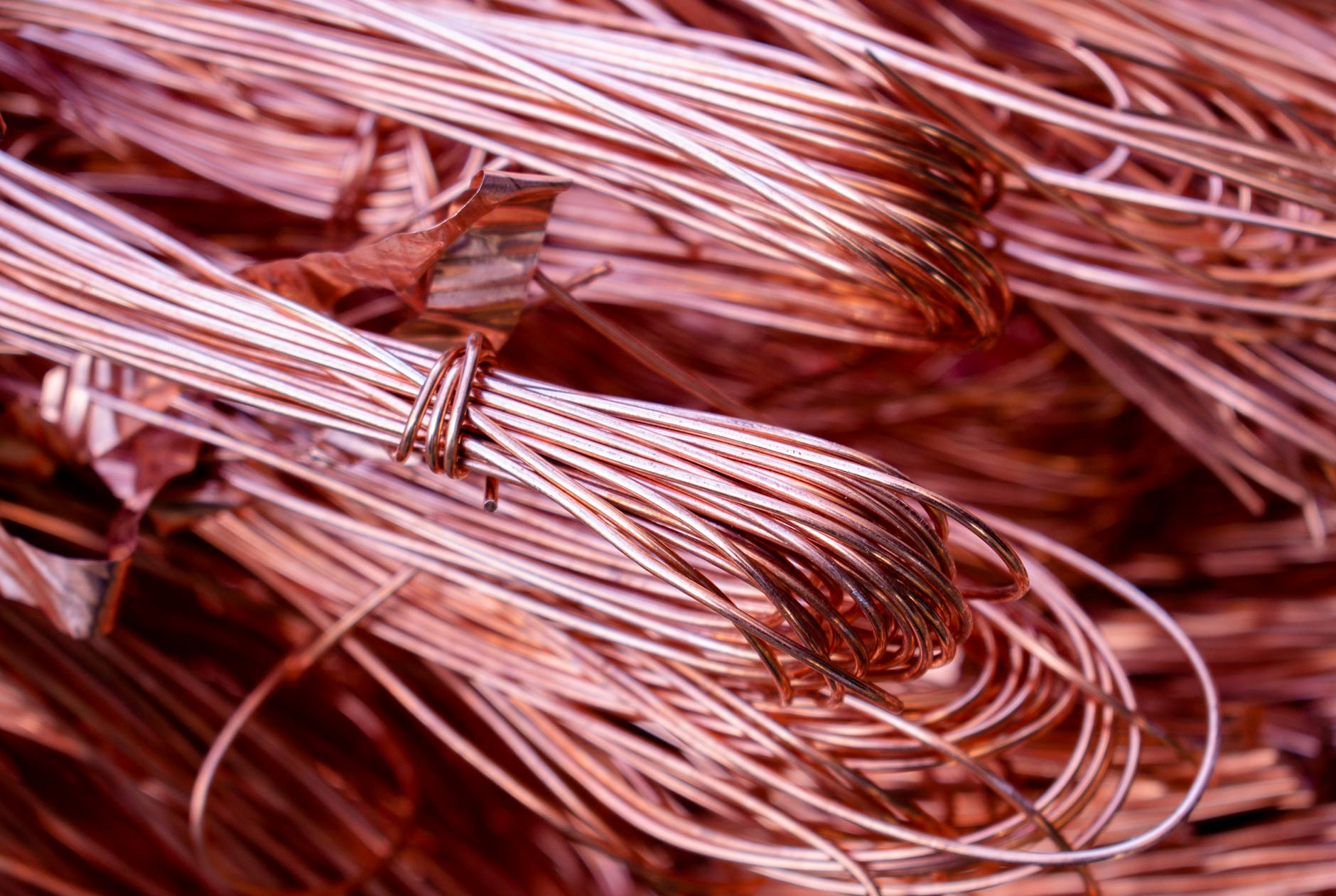
Copper prices will average $10,500 per tonne on the London Metal Exchange in 2026, according to a Reuters poll released Monday, up 7.2 percent from the previous forecast of $9,796.
The increase reflects a supply deficit as mine disruptions in Chile and Peru reduce global output while electric-vehicle demand grows.
Analysts polled by Reuters now expect a 150,000 tonne refined copper deficit in 2026, reversing earlier surplus forecasts.
“Supply side risk has become the dominant driver,” said one poll respondent who tracks Chilean mine output. “When you lose a single major shipper for three months, the whole curve reprices.”
The $10,500 median forecast would be a record annual average if sustained, beating the 2024 peak of $9,867. Copper has risen 28 percent this year on the LME.
LME cash copper last traded at $9,985, up 1.8 percent and near the $10,000 level that last held in March 2024.
Supply squeeze
The deficit stems from three issues: declining ore grades at aging mines, permit delays for new projects, and operational disruptions.
Chile, which supplies about one-quarter of the world’s mined copper, reported a 3.2 percent production decline in the first quarter of 2026.
State-owned Codelco’s Chuquicamata mine, the world’s largest open-pit copper operation, entered a 45-day maintenance shutdown in February, cutting roughly 40,000 tonnes of monthly output.
Peru faces similar pressure. The Las Bambas mine, owned by MMG Ltd., has run at reduced capacity since January due to community roadblocks that halted concentrate shipments.
New projects remain scarce. The Ivanhoe Mines Kamoa-Kakula expansion in the Democratic Republic of Congo will add roughly 200,000 tonnes by 2027, but other major developments are still in permitting.
“Development timelines have stretched from five years to eight,” the poll respondent said. “Even when financing closes, you still wait two years before first pour.”
Demand is growing. Electric-vehicle sales rose 18 percent globally in the first quarter of 2026, with each vehicle using roughly four times the copper of a conventional car.
Grid expansion adds more demand. The International Energy Agency estimates copper use in transmission and distribution lines will grow 3.5 percent annually through 2030 as renewable capacity expands.
China, the world’s largest copper consumer at roughly half of global demand, imported 1.2 million tonnes of refined copper in the first quarter, up 11 percent from a year earlier.
Chinese smelters have been restocking after a destocking cycle in late 2025, adding short-term support while end-use demand shows signs of softening.
Market positioning
Hedge funds have positioned for gains. Commitment of Traders data from the U.S. Commodity Futures Trading Commission shows money managers increased their net-long position in copper futures to 89,000 contracts in the week ending May 8, the highest level since October 2024.
The rally has skeptics. Physical market signs show stress: LME copper inventories have climbed to 182,000 tonnes, up from 98,000 tonnes in February, as metal moves into warehouse financing deals rather than end-user hands.
The LME cash-three-month spread, a gauge of immediate tightness, has flipped into a $25 per tonne contango, indicating ample nearby supply despite the bullish narrative.
“The paper market is telling one story, the physical market another,” said a London-based trader at a non-ferrous metals merchant. “When the curve is backwardated, you know demand is pulling metal. This contango suggests metal is sitting in warehouses.”
The disconnect raises questions about how much of the forecast $10,500 average is already priced in. Copper’s 28 percent year-to-date gain exceeds the 22 percent rise in the Bloomberg Commodity Index.
Risks
Three factors could derail the 2026 price target.
A macro slowdown in China would hit demand faster than supply constraints could support prices. Chinese manufacturing PMI slipped to 49.2 in April, below the 50-point expansion threshold for the third consecutive month.
A resolution of the Peru community blockages could flood the market with concentrate shipments. Las Bambas accounts for about 2 percent of global copper output; a full resumption would add 30,000 tonnes per month.
Substitution pressures could accelerate. Aluminum has gained market share in automotive wiring harnesses, and some battery makers are exploring alternatives to copper busbars.
“We’re seeing the first serious R&D on copper replacement since the 1980s,” said a technology analyst covering materials science. “At $10,000 per tonne, the economics of substitution start to pencil.”
Most analysts in the Reuters poll maintained their bullish outlook. Twenty-six of the 31 respondents revised their 2026 forecasts upward; three kept estimates unchanged; two lowered their projections.
The consensus: the structural deficit is too deep to fix in a 12-month window. Mine supply responds on three-to-five year cycles, while demand reacts in three-to-five month cycles.
“Even if you solve every permit dispute tomorrow,” the poll respondent said, “the copper doesn’t start flowing until 2028. That’s the reality of the supply curve.”
Reza Najjar
Commodities desk covering oil, natural gas, gold and base metals. Reports from London.
Related
Reuters poll forecast $10,500 copper for 2026. The market blew past it.
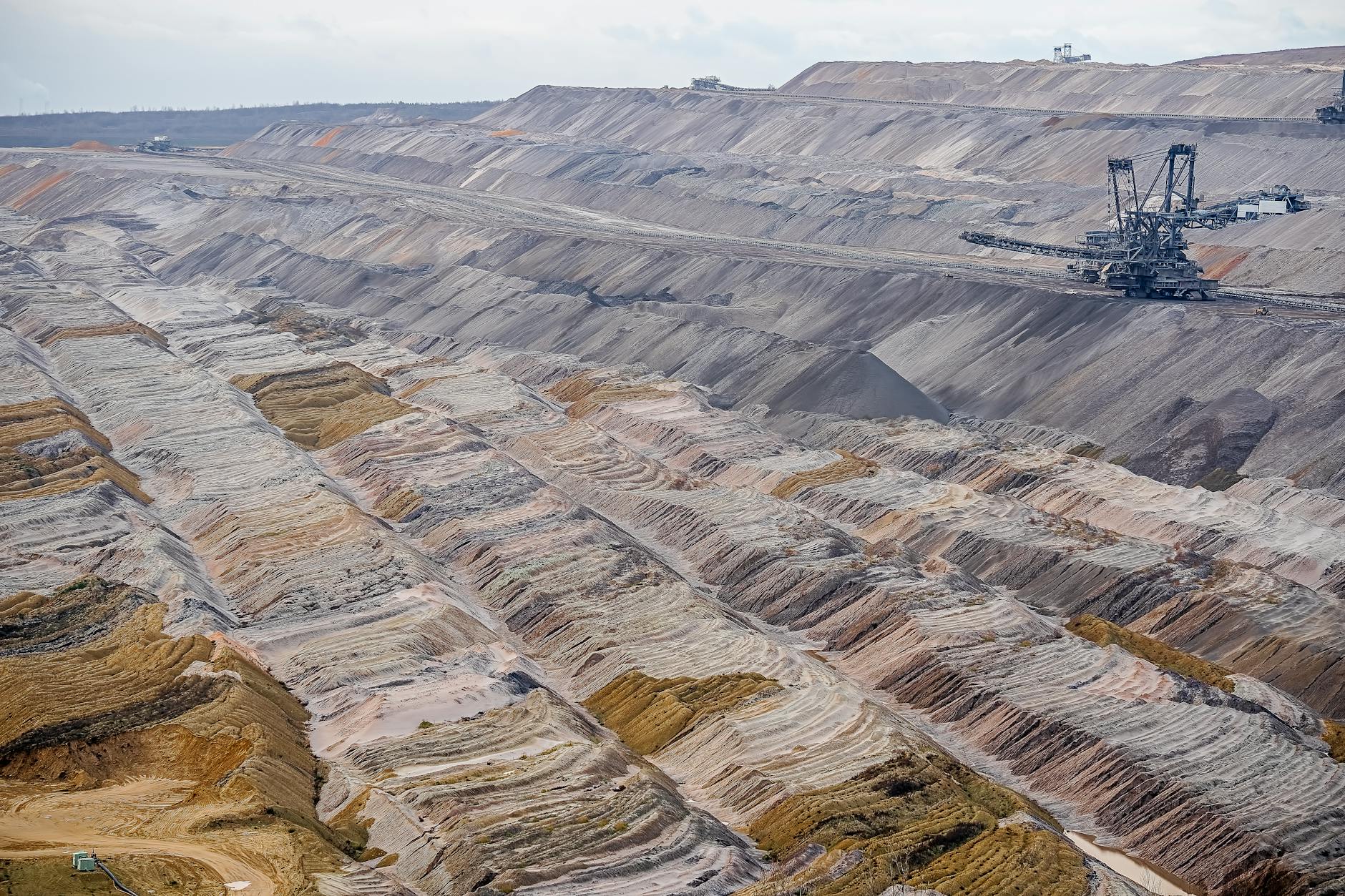
Three broken mines, one closed strait, and a copper market running on fumes
How a $10,500 Copper Forecast Missed by $3,000 a Tonne
Copper at $13,311 defies October poll as Freeport units split on Grasberg restart