Reuters poll forecast $10,500 copper for 2026. The market blew past it.
A Reuters October 2025 poll called for copper to average $10,500 per tonne in 2026. LME copper now trades above $13,600 after a January update pushed consensus above $11,000, as mine disruptions and supply chain strains bite.
A Reuters October 2025 poll called for copper to average $10,500 per tonne in 2026. That number is now a floor, not a ceiling.
LME three-month copper traded at $13,637 on May 11, up 37 percent year-on-year and within 9 percent of the January record high of $14,500. The metal has blown through the consensus not once but twice: first in January, when a follow-up Reuters poll raised expectations above $11,000 for the first time, then again as supply constraints tightened beyond what analysts had modeled.
The October poll captured 30 analysts projecting a 150,000-tonne refined copper deficit in 2026. What it missed was the speed at which that deficit would materialize. Mine disruptions at Grasberg, sulfuric acid shortages in Chile, and broader supply chain strains compressed the timeline from gradual squeeze to acute shortage.
“We expect copper to hold onto its recent gains and sustain these into 2026 and beyond,” Matthew Sherwood, an analyst at the Economist Intelligence Unit, wrote in the October poll. “Recent developments now suggest the refined copper market will begin to tighten earlier than we previously forecast.”
Why the consensus broke down
The October forecast assumed a measured supply response. What the market got instead was a cascade of operational failures that compounded, not offset each other.
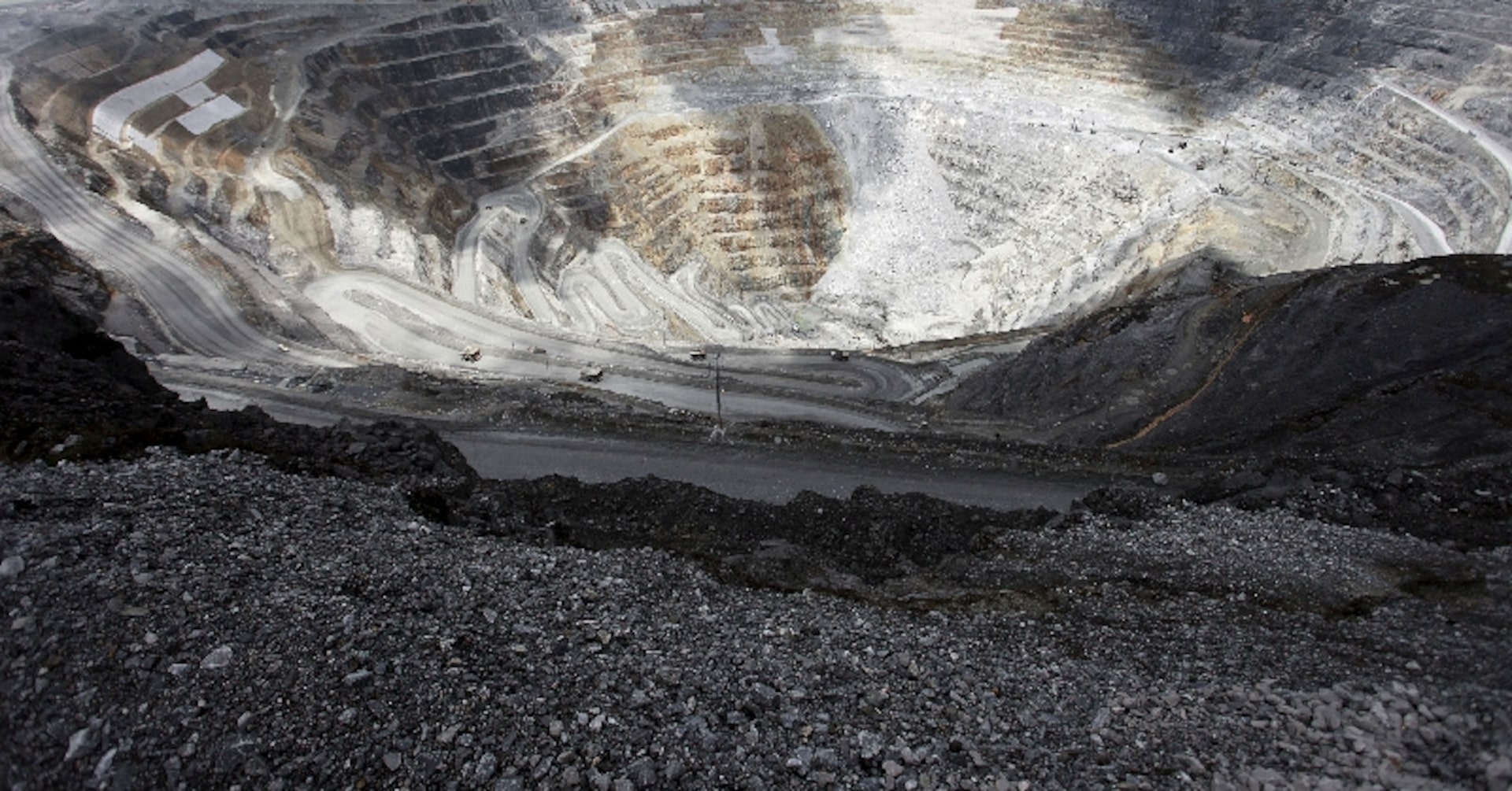
Freeport-McMoRan declared force majeure at Grasberg in December 2025 after a pit wall collapse, removing an estimated 200,000 tonnes from the 2026 supply book. Chilean producers cut output by 15 percent in the first quarter as sulfuric acid imports from Russia dried up, a downstream effect of sanctions that the October poll treated as a tail risk rather than a base case.
Robert Friedland, founder of Ivanhoe Mines, put it bluntly: “The supply chain is breaking down.” His Kamoa-Kakula project in Congo is running at 90 percent capacity despite being designed for full throughput — diesel and reagent shortages are the bottleneck, not geology.
The January 2026 poll update captured some of this shift, pushing the median above $11,000. Even that revision now looks conservative. Prices have added another $2,600 in four months, a 24 percent move that traders attribute to a recalculation of inventory levels rather than speculative positioning.
Demand holds, but macro risk lingers
Demand from the energy transition has held firm. Electric vehicle adoption in China is running above government targets, and offshore wind buildout in Europe keeps grid investment elevated. Supply cannot respond quickly enough to close the gap.
But the rally’s durability is not settled. Gregory Shearer, head of base and precious metals strategy at J.P. Morgan, warned in January that energy price inflation could choke off industrial demand before supply normalizes.
“Despite the more supportive swing in Chinese fundamentals, bearish macro risks should continue to dominate in copper as long as energy prices remain on the rise in the near term,” Shearer wrote.
Options markets reflect that uncertainty. Implied volatility on six-month contracts sits near 35 percent, above the five-year average of 28 percent. Traders are pricing a wide range of outcomes, not a one-way bet.
What comes next
The 2026 deficit is no longer in question. The debate has shifted to duration. New sulfuric acid production in Chile will not come online until late 2026. Grasberg’s recovery is pegged to late 2027 at the earliest.
What traders watch now is demand elasticity. If industrial activity in China softens as interest rates rise, the deficit could narrow. If energy transition investment holds, the 150,000-tonne shortfall projected by Reuters could expand rather than contract.
Either way, the $10,500 forecast is history. The question is whether $15,000 is next.
Reza Najjar
Commodities desk covering oil, natural gas, gold and base metals. Reports from London.
Related
How a $10,500 Copper Forecast Missed by $3,000 a Tonne
Three broken mines, one closed strait, and a copper market running on fumes
Copper at $13,311 defies October poll as Freeport units split on Grasberg restart
Reuters poll: copper to average $10,500 per tonne on LME in 2026