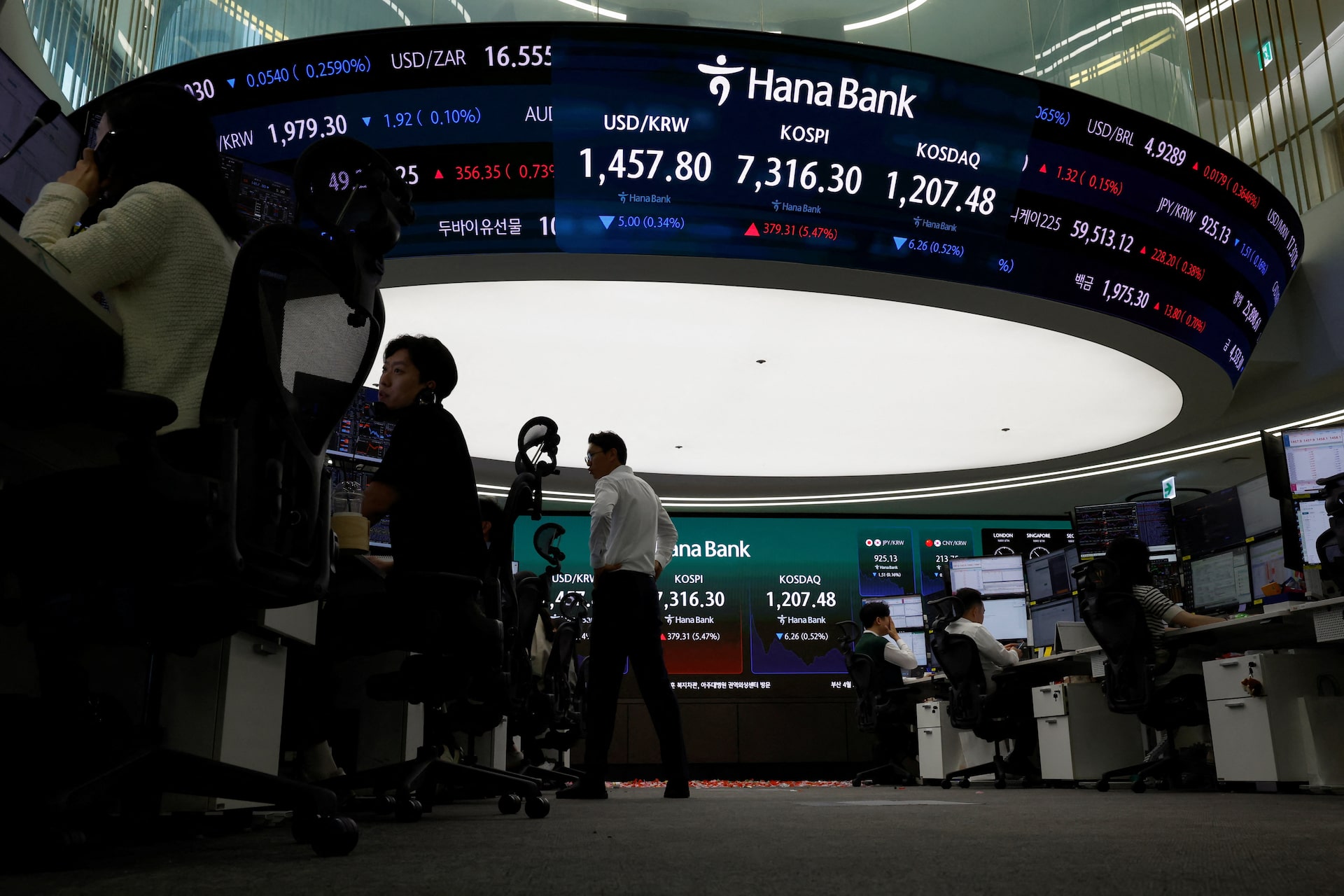
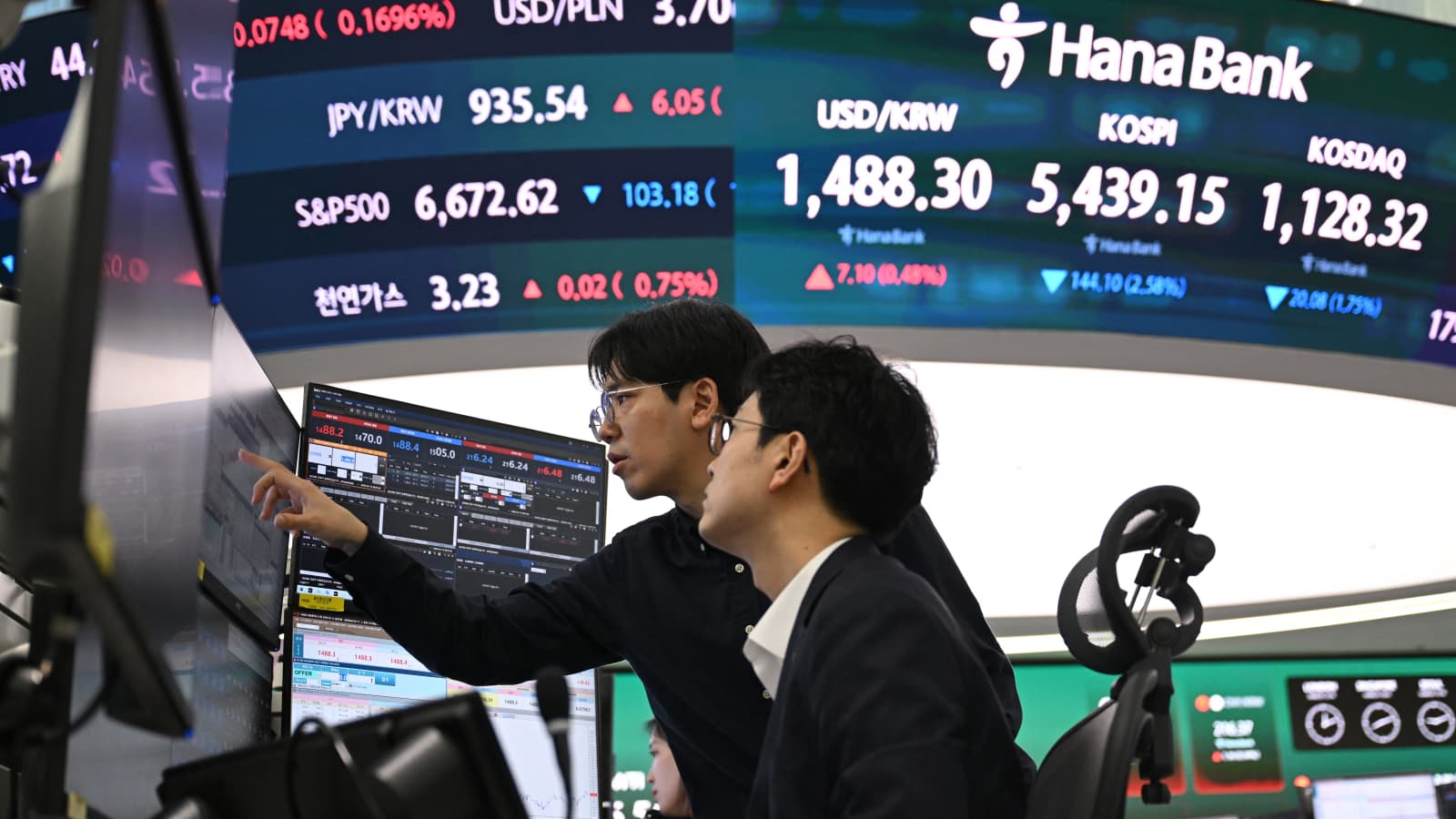
A small won gain opens a bigger test for Seoul's FX reform
South Korea's 24-hour won trading debut brought a modest first-session gain, but the bigger test is whether overnight liquidity reaches global investors.
Monday’s start of 24-hour weekday trading in the South Korean won brought a modest gain against the dollar. For Seoul, that was the headline it wanted, not the proof it still needs. What matters now is whether a tightly managed domestic currency market can become one global investors can use on their own clock, outside business hours in Korea.
Seoul’s policymakers are chasing more than a symbolic trading reform. Years of limited offshore usability have made the won awkward for global money managers trying to rebalance Korean exposure alongside the rest of their portfolios. MSCI kept South Korea in its emerging-markets category in late June, even though the Kospi’s performance and the country’s industrial heft would appear to support a richer label.
Round-the-clock trading is therefore an operational test before it is a market verdict. A slightly firmer won says traders were willing to show up on day one. London and New York investors still need to see tight bid-ask spreads, sufficient depth and enough dealer balance-sheet commitment to treat the currency like one that belongs in a developed market.
Finance minister Koo Yun Cheol cast the launch as a strategic opening, not a technical tweak.
“This is the starting point for the won’s global leap. The move is designed to provide the level of accessibility and convenience in FX trading comparable to advanced markets.”
Koo Yun Cheol, South Korea’s finance minister, via Bloomberg
Credibility, though, is earned after midnight. Once the launch ceremony is over, market-makers still have to quote two-way prices when Seoul is asleep.
Why the clock changed
MSCI chief Henry Fernandez has described the issue in mechanical terms. In developed markets, investors buy the currency when they buy the equity and unwind it when they sell, at whatever hour their own market is operating. Fernandez said on CNBC’s June 25 interview that South Korea still falls short because won trading has historically been concentrated in Seoul daytime, making it harder for international funds to rebalance Korean exposure alongside the rest of their book.
“The only place you can buy the Korean won is in office hours, day trading hours in Seoul,” Fernandez said, later adding that the open question is whether a Korean overnight session can sustain “a large pool of liquidity with a tight bid-ask spread.”
Henry Fernandez, MSCI chief executive, via CNBC
Here is the benchmark for Seoul’s reform: a market can stay open 24 hours on paper and still function like a thin after-hours venue in practice. Overseas banks, local dealers and corporate hedgers have to commit real flow outside the old window. Without that, the extended session means longer trading hours, not much extra liquidity.
Thin markets can exaggerate routine moves, pulling authorities back toward the same volatility-management habits the reform is supposed to reduce. South Korea’s FX architecture still carries the legacy of a system built to watch capital closely after the Asian financial crisis. Turning the clock over to the market is a step toward trusting price discovery; that trust will fade quickly if small orders can move the won too easily overnight.
Hanwha Investment & Securities economist Lim Hyeyoun has already flagged the possibility of thinner liquidity in extended hours, a useful reminder that access and depth are not synonyms. Traders first ask whether they can transact. Size is the harder test: can they deal in meaningful amounts without paying a penalty for using the market when Seoul is asleep?
A pre-launch critique in Seoul Economic Daily put the same concern more bluntly: if the overnight window does not attract steady participation from banks and foreign investors, a 24-hour market will stay open longer without becoming meaningfully deeper.
What the first session can and cannot prove
Initial price action should not carry too much weight. Day-one trading in a newly liberalised market can reflect curiosity, positioning and official signalling as much as conviction about the reform itself. Traders will learn more from the duller data that follows: how spreads behave through the New York afternoon, whether turnover persists after the novelty fades, and whether offshore investors begin to treat the won as a practical hedge rather than a market that still needs local-hour planning.

MSCI’s objection becomes concrete there. The index provider did not say South Korea lacked economic scale, technological depth or listed-company heft. Fernandez described the country as one of the most developed economies on the planet. If global investors cannot move in and out of the currency at their convenience, Korean equities remain harder to own than their peers, however strong the corporate roster looks on paper.
Analysts have long tied a possible developed-market upgrade to relief from the so-called Korea discount, the lower valuations many South Korean companies attract relative to global peers. Currency access will not erase governance concerns or sector concentration on its own. Still, it can remove one of the frictions that forces foreign investors to treat Korea as a market requiring special handling.
Kospi strength makes the timing sharper. The index was the world’s best-performing major stock benchmark in 2025 and has continued to outperform in 2026, yet MSCI’s accessibility review still held the country back. FTSE Russell already classifies South Korea as developed. Market structure still matters, even when valuations, exports and technology champions are pulling in the right direction.
Why developed-market credibility runs through the won
Developed-market credibility is not riding on the currency alone. Korea’s longer trading day is also an equity-market reform, a capital-flows reform and a test of trust in local market plumbing. Fund managers can treat Korea less like an exception if they can adjust won exposure across Asian, European and US hours with dependable depth. Failure would leave the reform looking like a domestic system staying open late for a global audience that still does not fully trust it.
Banks now have to quote, investors have to show size and hedgers have to use the new window often enough that liquidity becomes self-reinforcing. Early sessions are usually uneven. Policymakers will have to decide how much volatility they can tolerate before intervention habits choke off the depth they are trying to build.
Later sessions will tell more than Monday’s modest gain. Access has always sat at the center of South Korea’s developed-market pitch. From this week, that test also runs through the clock.
Sloane Carrington
Markets columnist. Analytical pieces and deep-dives on monetary policy, capital flows and corporate strategy. Reports from New York.