MSCI keeps South Korea EM status, delays Indonesia review
MSCI kept South Korea as an emerging market and pushed Indonesia's review to November, leaving FX access and frontier-risk questions in focus.
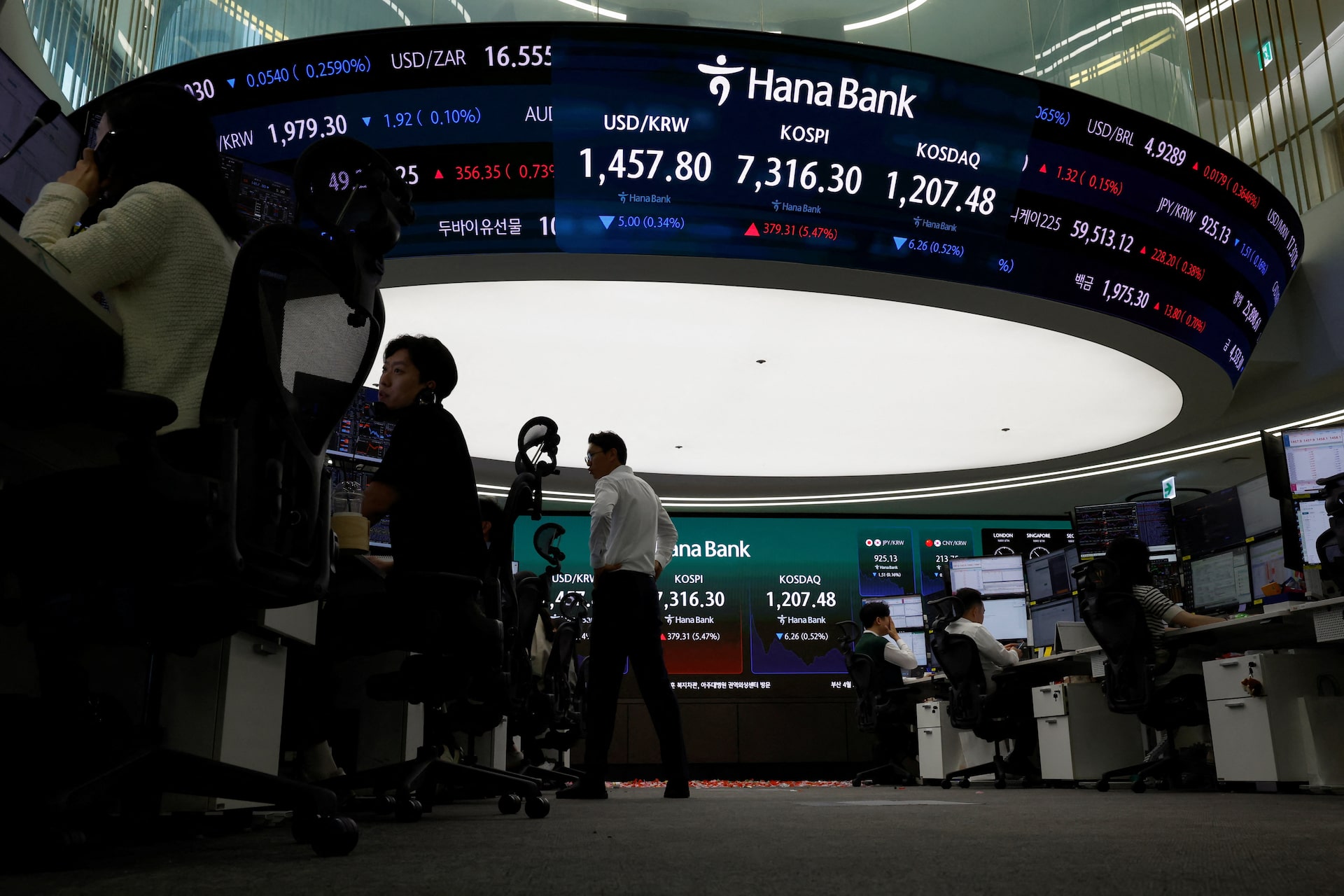
MSCI’s 2026 market classification review kept South Korea in the emerging-market category on Tuesday and extended Indonesia’s status review to November, leaving two Asian benchmark questions on investors’ books for the second half.
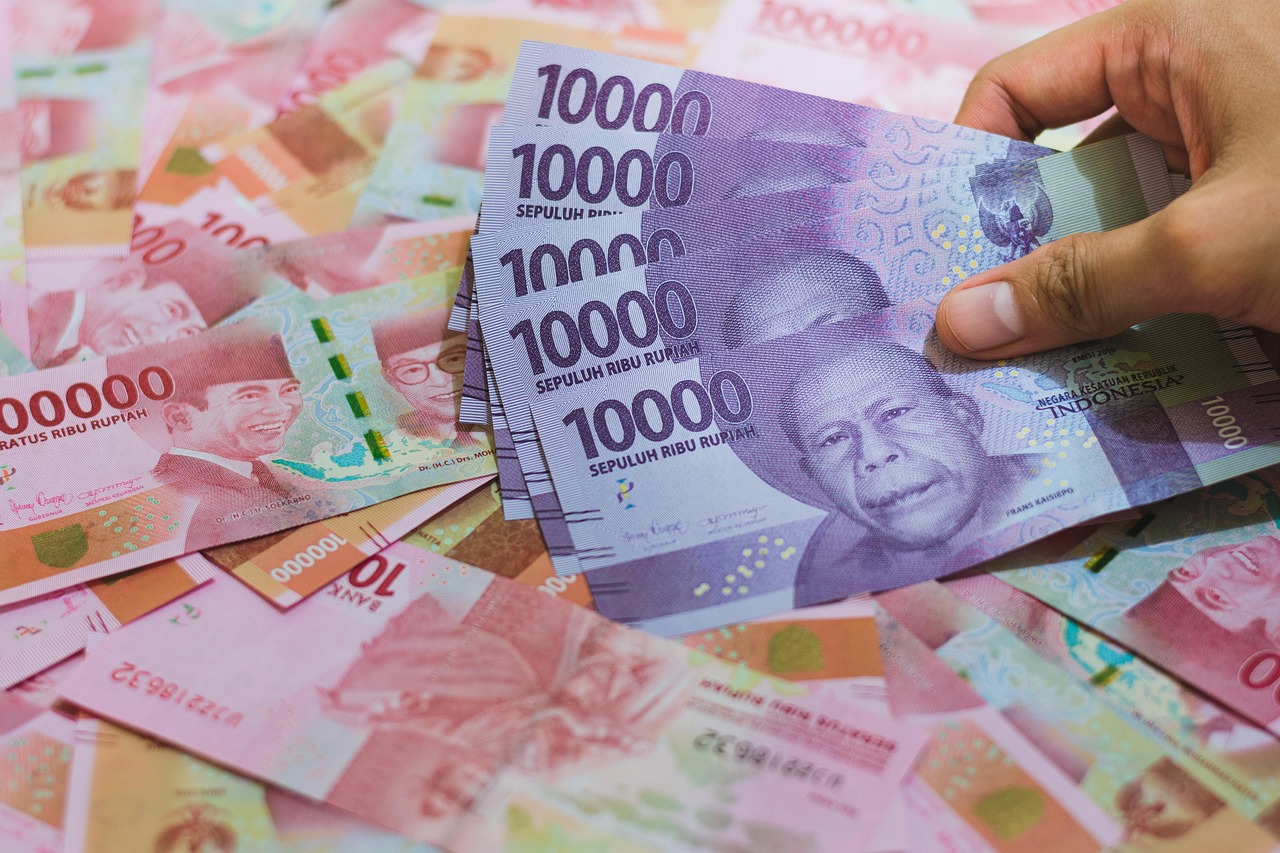
For Seoul, the decision preserves the familiar problem. The market stays outside MSCI’s developed-market watch list even after reforms meant to make trading and currency access easier for foreign institutions. Indonesia faces the opposite pressure: it has a few more months to show that listed shares are liquid and transparent enough to remain in the emerging-market index rather than risk a frontier-market label.
The classifications do not force cash to move when they are announced. They do shape the benchmarks used by passive funds and the rules followed by managers who are judged against those gauges. Korea’s stalled upgrade and Indonesia’s delayed review therefore put the same practical question in front of investors: can overseas money enter, trade and exit these markets with the friction MSCI is willing to tolerate?
In Reuters’ reporting on the Korea decision, MSCI said the won still cannot be delivered offshore, a long-running concern even as authorities have widened market hours and tried to ease access. Seoul’s finance ministry and financial regulator said in a joint statement that Korea was not added to the watch list this year because some improvements were still under way.
That left South Korean officials short of even the first step toward a developed-market promotion. A place on the watch list would not have guaranteed an upgrade, but it would have told index-tracking investors that a change was under formal consideration. Reuters noted that MSCI removed Korea from its developed-market watch list in 2014. Twelve years later, reform headlines have not been enough to clear a test built around how foreign investors actually transact.
“The Korean won is not deliverable offshore.”
MSCI, via Reuters
Indonesia’s November deadline
Indonesia’s review carries more immediate downside risk. Reuters reported on the Indonesia review that MSCI extended Jakarta’s status check to November and warned it could consider a frontier-market reclassification if progress falls short. The date turns an abstract investability debate into a calendar event for funds with emerging-market mandates.
Transparency is the main pressure point. The MSCI review document says classification depends on the accessibility and investability that institutions experience in practice. Financial Times reporting last week said Indonesian authorities had drawn up a roadmap to raise the minimum free-float requirement to 15 per cent and lower the shareholder-disclosure threshold to 1 per cent, steps aimed at concerns that some shares are too tightly held or too opaque for large overseas investors.
A November checkpoint gives Jakarta time, but not much slack. Any reform package now has to be visible and operational before year-end allocation decisions begin to harden. Announcing freer floats and tighter disclosure is the easier part; MSCI is asking whether investors can see the changes in the way the market trades.
Raman Aylur Subramanian, MSCI’s head of market classification and taxonomies, described the standard in the review:
“The MSCI Market Classification Framework determines whether a market is developed, emerging, or frontier based on the accessibility and investability that international institutional investors actually experience.”
Raman Aylur Subramanian, MSCI
The same sentence lands differently in Seoul and Jakarta. South Korea is trying to revive a developed-market case that has been stalled since 2014, according to Reuters. Indonesia is trying to avoid moving the other way. For both governments, the message is narrow and uncomfortable: index providers will count policy changes only after foreign institutions can use them.
For investors, that leaves Korea as the lower-drama outcome and Indonesia as the active risk. Seoul remains inside emerging-market benchmarks for now, avoiding a near-term reshuffle in allocations. Jakarta carries a November marker that could affect how foreign managers price liquidity, governance and the chance that a market no longer fits the label attached to it.
Avery Lin
Markets editor covering US equities, single-name stocks and quarterly earnings. Reports from New York.