Bolivia exchange-rate reset ends 15-year dollar peg
Bolivia's exchange-rate reset ends a 15-year dollar peg as reserve losses and a widening black-market gap force a managed devaluation.
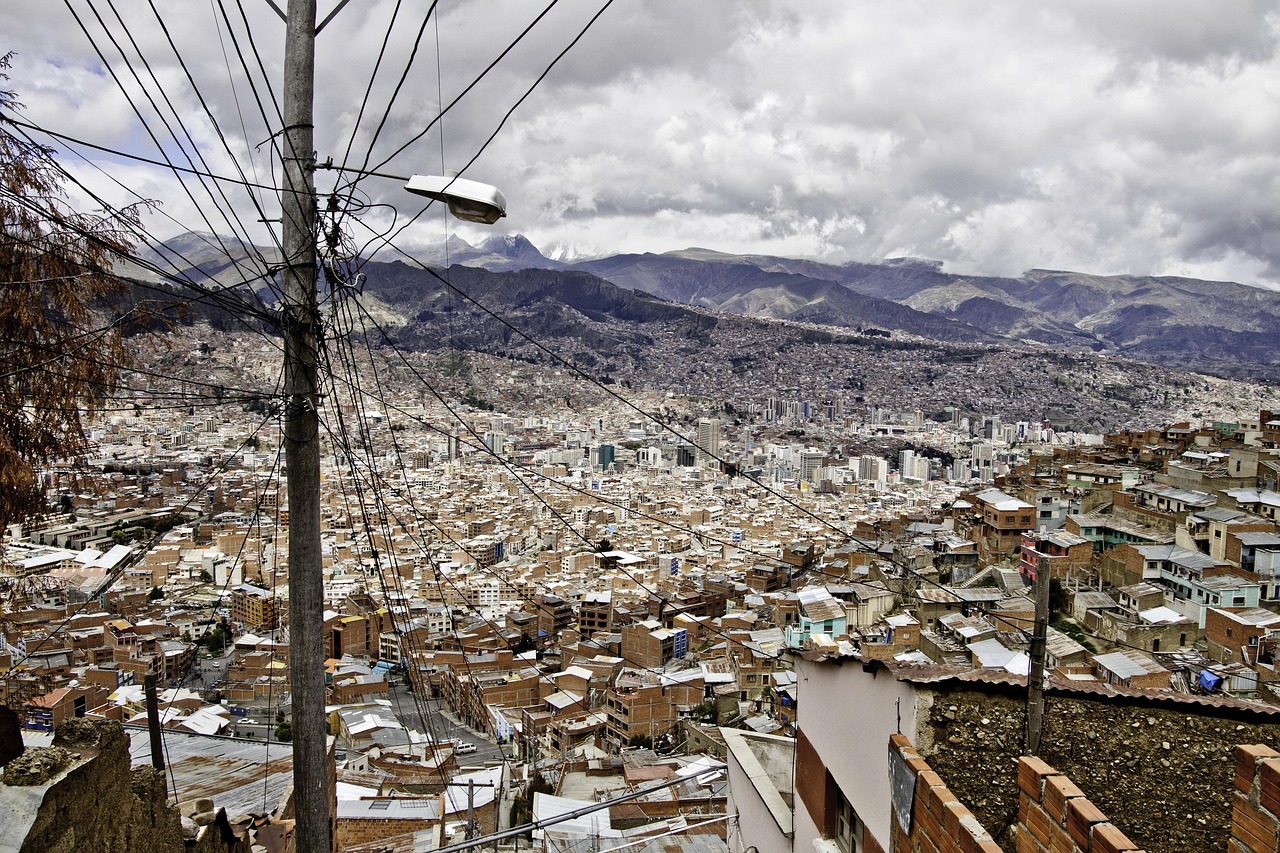
Bolivia ended a 15-year dollar peg on Friday, replacing the long-held official band of 6.86 bolivianos to buy and 6.96 to sell per U.S. dollar with a flexible regime after foreign-currency reserves fell to $712 million as of June 19, according to Bloomberg’s report on the policy shift. The Finance Ministry said the system would support macroeconomic stability. The harder signal for investors was simpler: one of Latin America’s most tightly managed currencies could no longer be held at the old price.
The change turns a dollar shortage into an official repricing. Bolivia had held the peg for more than 15 years while importers struggled to obtain hard currency and informal-market quotes moved away from the official rate. A June 15 Bloomberg report on investor talks said officials had already signaled exchange-rate unification and an IMF financing program. Friday’s announcement now looks like the first leg of that broader stabilization plan.
This is a controlled reset, not a free float. The daily rate will still be set through a central-bank methodology tied to supply and demand, with officials publishing a reference rate and capping the sale price, according to Bloomberg. Jonathan Fortun, a senior economist at the Institute of International Finance, called it a “managed flexible exchange-rate regime,” or what traders would usually call a dirty float.
Reserves explain why the change came now. Bolivia’s foreign-currency holdings had fallen to $712 million by June 19, Bloomberg reported, leaving little room to keep supplying dollars at an administered rate. The squeeze had been building for years: a 2023 Reuters report on the country’s dollar shortage said net foreign-currency reserves had already dropped from more than $15 billion in 2014 to $3.8 billion at the end of 2022 as savers and businesses queued for scarce banknotes. Intervention was not ending; it was being repriced.
Officials had tried reassurance before changing the regime. In 2023, Edwin Rojas, then president of the Central Bank of Bolivia, said people unable to satisfy dollar demand in the banking system or exchange houses should come directly to the central bank. Claudia Soruco said authorities would guarantee the provision of U.S. dollars, Reuters reported. Friday’s shift suggests those assurances lost force once reserve cover thinned and parallel-market pricing kept pulling expectations away from the official band.
A weaker, more flexible boliviano could ease some shortage pressure by narrowing the gap between official and street pricing. It may also help exporters. The cost is sharper for an import-dependent economy: dearer foreign goods, new inflation pressure and a harder political argument if households read the currency move as proof that the crisis has deepened.
The next test is whether Bolivia stops at a managed devaluation or uses it to anchor a wider rescue package. The June 15 Bloomberg report on a possible IMF deal said officials expected a financing program after introducing a floating exchange rate. If that sequence holds, Friday’s move is the opening condition for external financing, policy tightening and a more formal attempt to rebuild credibility. An IMF track would move the debate from exchange mechanics to policy conditions, including how fast Bolivia can rebuild reserves without choking domestic demand or sharpening the shortages that made the peg untenable.
For emerging-markets investors, the pattern is familiar. Pegs rarely fail on the day reserves first look thin. They fray after months of shortages, rationing and widening gaps between official and market prices. Coverage of Bolivia’s broader economic unrest in May described an economy already strained by shortages of dollars and fuel.
The market effect will depend on how much room authorities allow the boliviano to move and whether the central bank can convince savers that dollars will remain available at the new rate. The policy headline is already clear: Bolivia has ended a 15-year defense of an exchange rate that no longer matched its reserve position. For a government that long treated the peg as a political commitment, that is a large macro signal in one line.
Helena Brandt
Macro reporter covering the Federal Reserve, ECB, inflation prints and jobs data. Reports from Washington.