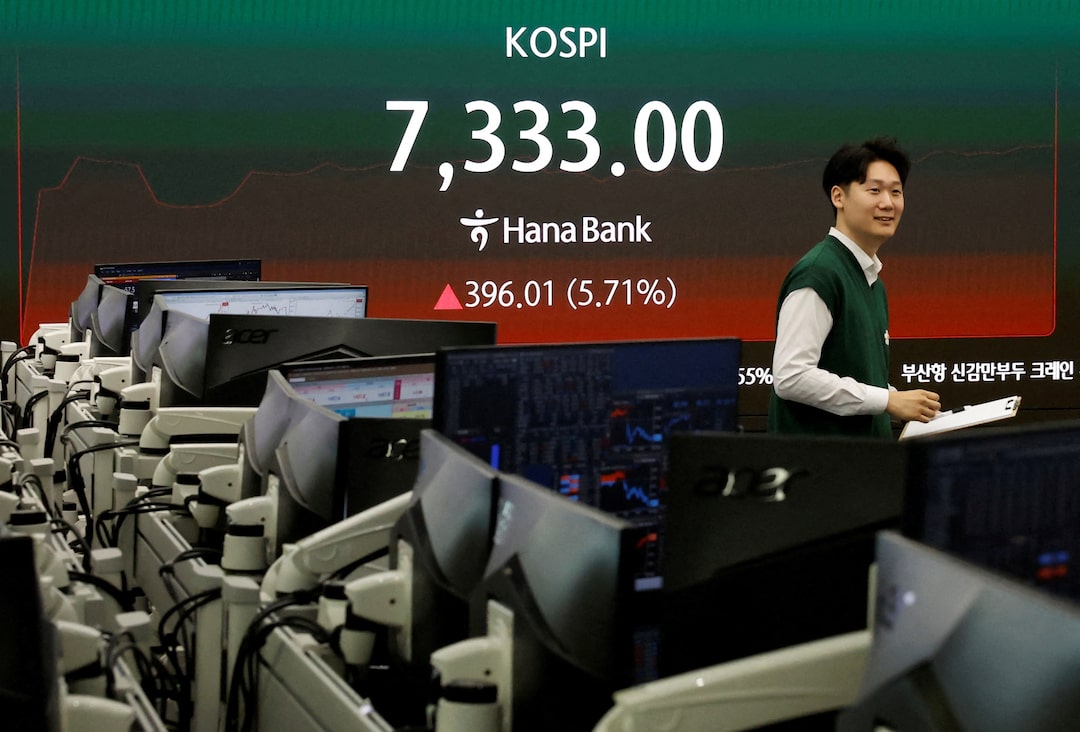
Memory chip rally puts SK Hynix, Micron in $1tn club
Memory chip rally sent SK Hynix and Micron above $1 trillion as AI demand made HBM supply look more like infrastructure scarcity than a commodity cycle.
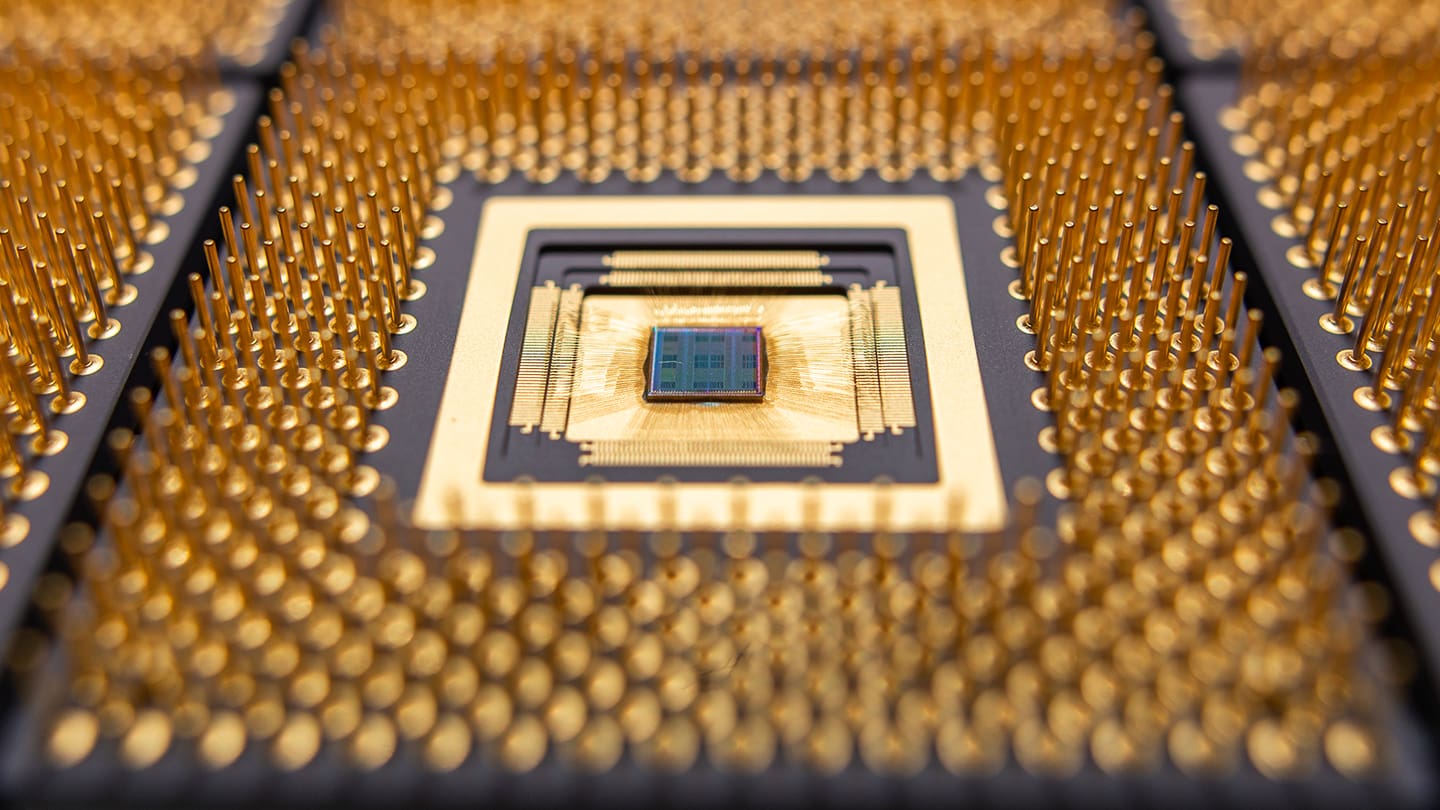
SK Hynix and Micron Technology crossed the $1 trillion valuation threshold this week, with SK Hynix rising as much as 13 per cent in Seoul and Micron jumping 19 per cent in the US, as investors bet the AI build-out has turned memory from a cheap component business into a scarce layer of infrastructure.
Investors think the change is simple. Markets are no longer valuing the group as if every up-cycle will end in the same glut. Instead, HBM is being treated as a chokepoint beside the accelerators used to train and run large AI models. Bloomberg’s market report said SK Hynix held 57 per cent of global HBM revenue in the fourth quarter of 2025, while Reuters said demand is expected to outrun supply through 2028.
Skeptics still return to the old memory argument. If scarcity is doing most of the work, the rerating only lasts while scarcity lasts. CNBC’s analysis of the rally captured that doubt before the trillion-dollar threshold was crossed, warning that new capacity and efficiency gains could still drag the industry back toward its usual boom-and-bust script.
Why memory suddenly looks like infrastructure
From the supply chain, the case is easier to see. Tom’s Hardware reported that Micron’s Virginia fab has started producing what it called America’s most advanced DRAM, while the three big DRAM makers are reallocating wafer capacity toward DDR5, LPDDR5X and HBM to meet AI demand. On its own, that does not fix supply. Instead, it shifts scarce manufacturing slots toward the parts hyperscalers want first.
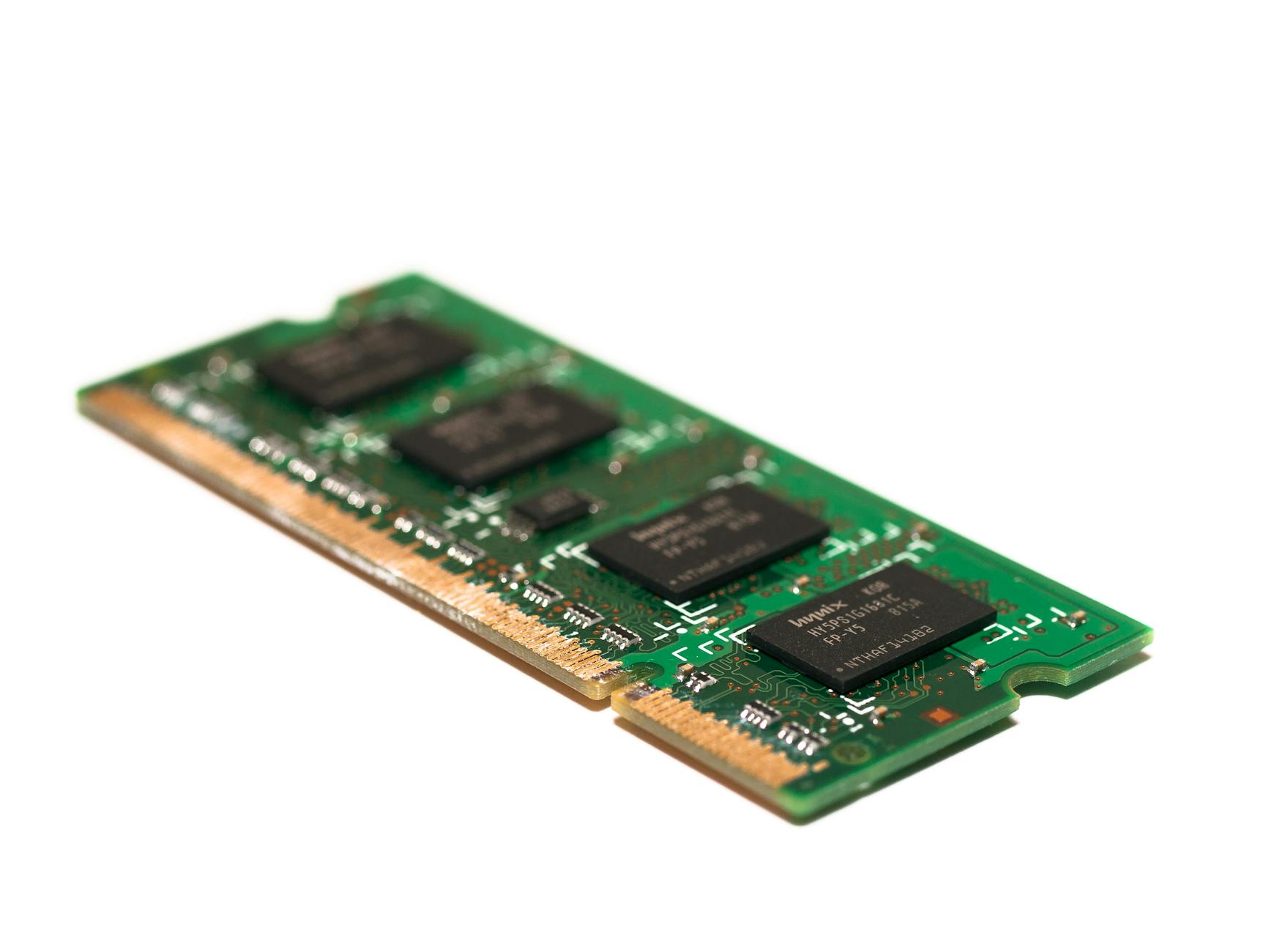
Commodity DRAM can be swapped in and out more easily. HBM sits in a different category. Those stacks sit next to AI accelerators, and the shortage reads more like a system constraint than a temporary pricing quirk. If supply at that node stays tight, revenue quality changes with it. Traders care less about whether unit volumes look peakish in a given quarter and more about whether the chokepoint can hold through the next round of data-centre orders.
Buyers matter as well. This time the customer is a hyperscaler signing against long-dated capital-spending plans. Bargaining power shifts with that. As cloud groups race to build clusters, the company that can deliver memory on time matters almost as much as the company shipping the accelerator itself.
Kang DaeKwun made the same case in Bloomberg. He said memory names had been “irrationally undervalued” and were only now closing the gap with the rest of the AI complex.
“Memory chipmakers have been irrationally undervalued, but we are now seeing the trend of recovery in their valuation gap”
— Kang DaeKwun, Bloomberg
On that reading, SK Hynix’s 57 per cent HBM revenue share stops looking like a niche statistic. It looks more like a toll point. A company with that grip on the fastest-growing slice of memory is not being priced like a generic DRAM supplier. For Micron, the milestone says something slightly different: investors are starting to believe it has secured enough exposure to the same lane that it no longer deserves the old discount memory stocks used to carry almost by default.
Why bulls think this cycle can hold
For bulls, the case is less about euphoria than visibility. Sherwood’s write-up of UBS’s call said the bank more than tripled its Micron target to $1,625 and argued that a large chunk of demand was already locked down. Micron’s 19 per cent jump after that target change mattered because it suggested investors were willing to pay for earnings they can model, not just a quarter or two of upside surprise.

Historically, memory stocks have often looked cheapest when profits were highest because the market assumed peak margins were living on borrowed time. Long-term AI demand complicates that instinct. If customers are reserving supply earlier, and if orders are tied to multi-year data-centre plans rather than short consumer gadget cycles, the multiple can rise before the earnings fully arrive.
UBS’s call also narrowed the perceived distance between Micron and SK Hynix. One has the cleaner HBM franchise. The other has the sharper upside torque if US production and contract visibility keep improving. Trillion-dollar valuations for both names suggest investors no longer see two separate stories. They see a sector repricing.
Neither report discloses the exact proportion of output tied up in those arrangements, so the answer to the bull’s first question is still only partial. Even so, the direction of travel is clear enough for investors to act on it. Reuters’ report on Micron and Sherwood both framed the stock’s surge as a response to locked-in demand and tighter supply, not simply to a headline-grabbing target price.
Beyond the two companies, the rerating also reaches into the wider market. Reuters said SK Hynix’s move helped lift South Korean equities, underscoring how much of the local market’s momentum now runs through a handful of chip names led by SK Hynix and Samsung Electronics. If the AI trade keeps funnelling more value into memory, the KOSPI becomes more exposed to a single industrial thesis: that the bottleneck remains in place for longer than the usual cycle says it should.
What could still break the trade
Skeptics are useful here for the same reason. It is not enough to say memory matters to AI. The harder question is whether the sector can keep scarcity from eroding as fast as valuations are expanding. CNBC’s analysis put the warning in the bluntest possible terms.
“In the long run it’s a pretty dreadful industry”
— William de Gale, CNBC
Two things could prove that warning right. One is the familiar route: more fabs, better yields and a steadier ramp in advanced memory eventually cool pricing power. The other is more specific to AI. If model developers keep finding ways to use compute and memory more efficiently, today’s chokepoint may stop looking quite so tight. Reuters’ earlier report on SK Hynix approaching the milestone and CNBC both pointed to that tension even as current orders stayed strong.
Supply-chain questions land here too. If fabs are being reallocated toward HBM, DDR5 and LPDDR5X, that still leaves the industry playing a balancing game between older and newer memory generations. Tom’s Hardware’s reporting on Micron’s US ramp suggests domestic expansion may relieve some pressure at the margin, but it also shows how the industry is moving capacity around rather than opening a simple floodgate. For now, that supports the scarcity thesis. It does not settle how long it will survive contact with more investment.
South Korea’s market exposure sharpens the point. When one or two chip names do more of the index’s lifting, sentiment can reverse faster if the supply thesis cracks. A trade that looks like pure AI upside in May can quickly start to look like concentration risk by the time the next capacity update lands.
So the trillion-dollar club matters because the market is saying memory no longer sits downstream of the AI boom. It sits inside the constraint set. If that judgment holds, SK Hynix and Micron have been rerated from cyclical manufacturers into infrastructure-adjacent scarcity trades. If it fails, they are being priced at exactly the point in a memory cycle when the story looks strongest and the downside usually starts to hide.
Sloane Carrington
Markets columnist. Analytical pieces and deep-dives on monetary policy, capital flows and corporate strategy. Reports from New York.