US oil rig count jumps most in four years as war lifts crude
US oil drillers added 10 rigs to 425, the biggest weekly increase since 2022, as $107 crude prices began to pull shale activity higher.
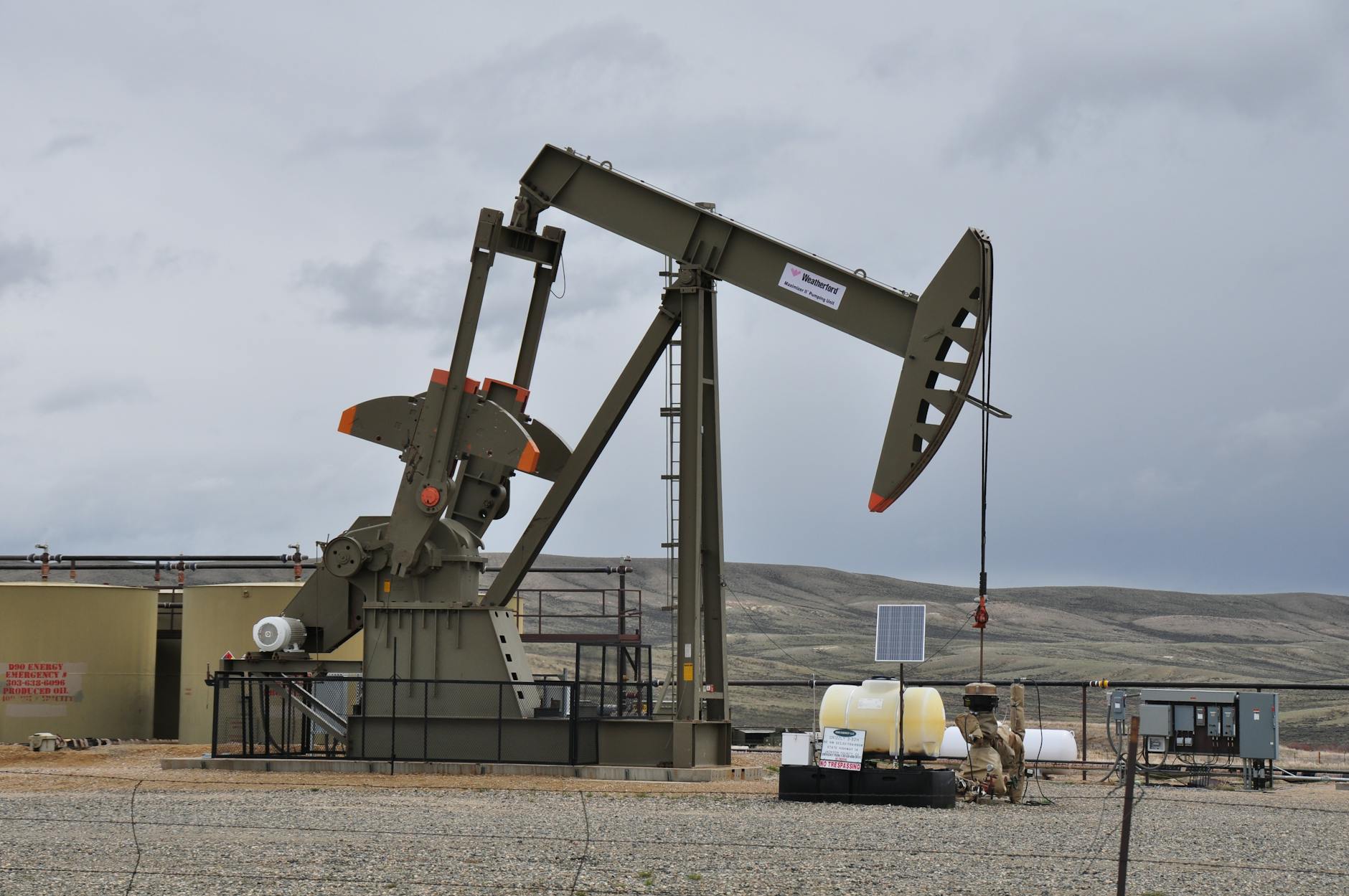
US oil drillers added 10 rigs in the week to May 22, taking the total to 425, the biggest weekly increase since April 2022, Baker Hughes said in data released Friday. The latest weekly rig-count report showed the clearest sign yet that the Iran war’s price shock is starting to pull drilling equipment back into the shale patch, with U.S. crude near $107 a barrel.
The move shifts part of the oil story from war risk to supply response. Crude’s rally had mostly been a geopolitical trade. Now it is beginning to alter operating plans in the United States, where shale producers are testing whether current prices can support more activity without giving up the capital discipline shareholders have demanded.
Bloomberg reported that the jump was the largest in more than four years and another sign of a domestic drilling recovery. It also fits the backdrop outlined in a Reuters analysis: U.S. benchmark crude has climbed about 60 per cent since the Iran war began on Feb. 28 to roughly $107 a barrel, while U.S. oil production stood at 13.7 million barrels a day on May 8, up from 13.6 million a week earlier.
That response still runs through the Permian Basin. Reuters said the basin accounted for 44 per cent of total U.S. oil output in April, when production there reached a record 6.13 million barrels a day. When activity rises in the Permian, the national balance can change quickly. Traders watch rig and completion data for early signs that higher prices are beginning to produce new barrels rather than simply wider margins.
Company plans are moving as well. ConocoPhillips has been shifting resources toward new wells, while Diamondback Energy has nudged its 2026 production guidance higher, Bloomberg said. When large public operators move crews and adjust guidance, service companies, mineral owners and rival producers recalibrate too. That is why the latest signal matters: the question is no longer only whether small private drillers chase the spot price, but whether the listed core of the U.S. shale industry decides current crude levels justify a broader drilling programme.
What the rig jump means
Service activity is picking up too. Reuters said the U.S. frac spread count, a measure of crews that complete wells before they start producing, stood at 184 and was up about 20 per cent since the start of the year.
That is a useful check on the rig data because drilling alone does not lift output. Wells still need to be fracked, connected and brought online.
The early rebound does not look like a replay of the last shale boom. In the Reuters analysis, columnist Ron Bousso wrote that “output gains are likely to be far more constrained than in the previous shale boom.”
The restraint is both financial and physical. Public oil companies have spent years telling shareholders they will protect returns and avoid flooding the market. Service costs, crew availability and the quality of remaining drilling inventory also make it harder to reproduce the breakneck production growth that once followed every sustained jump in crude.
For traders, the mix matters as much as the rig jump itself. If rigs and frac crews keep rising, U.S. supply could grow later this year and erode part of the geopolitical premium in crude. If the response stays modest, the market remains more exposed to OPEC+ policy and to any fresh disruption tied to the Iran conflict.
One week’s jump does not settle the trend. But after months in which higher oil prices were chiefly a macro and war story, the latest data show the U.S. supply side beginning to answer.
If crude holds near current levels, investors will be watching whether more producers follow ConocoPhillips and Diamondback, whether the frac spread count keeps rising, and whether shale’s newer discipline keeps the response smaller than price alone would once have implied.
Reza Najjar
Commodities desk covering oil, natural gas, gold and base metals. Reports from London.