Memorial Day 2026 closes NYSE, Nasdaq; bonds end early Friday
NYSE and Nasdaq are closed on Monday, May 25, 2026, while the US bond market closes at 2:00 p.m. ET on Friday, May 22.
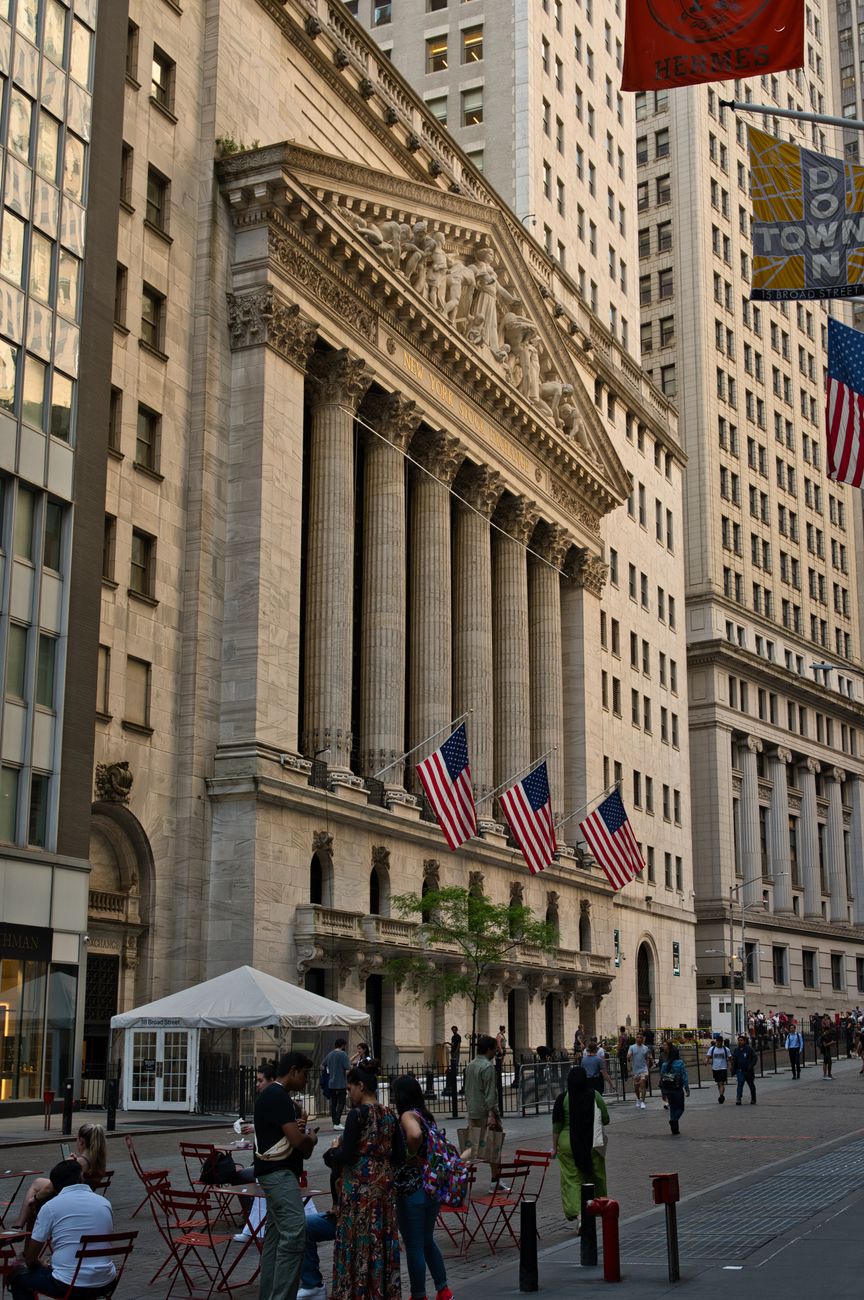
US stock markets are closed on Memorial Day 2026. According to the NYSE holiday calendar, Monday, May 25, is a full holiday for equities. SIFMA’s holiday schedule recommends a 2:00 p.m. ET early close for the US bond market on Friday, May 22 before a full shutdown for Memorial Day itself.
Listed stocks and exchange-traded funds do not trade on the Monday holiday. On a routine session, NYSE cash equities run from 9:30 a.m. ET to 4:00 p.m. ET. The regular session returns on Tuesday, May 26.
The split comes from two calendars. Stocks and listed options follow the exchange timetable. Bonds, including Treasuries, corporate debt and municipal securities, usually follow SIFMA’s recommendations, so the Friday before Memorial Day is ordinary for stocks and shorter for many bond desks.
The distinction carries into trade mechanics. Settlement is cash changing hands for securities after an order is filled. Liquidity is the ease of buying or selling without moving the price too much. Ahead of a long weekend, both can tighten as desks thin out and volumes fade.
For 2026, the answer is concise. Stocks are closed on Monday, May 25. Bonds wrap up early on Friday, May 22. Equities reopen on Tuesday, May 26.
What closes, and what does not
NYSE and Nasdaq both observe Memorial Day as a full holiday for US equities. No regular session runs on Monday, May 25, and the closure covers the listed-stock and ETF market that most retail investors see in a brokerage account.

The bond market works on a different clock. SIFMA recommends a 2:00 p.m. ET close on Friday, May 22, followed by a full Memorial Day closure. That market spans Treasuries, investment-grade and high-yield corporate debt, municipal bonds and the dealer network behind them. Much of that activity happens over the counter rather than on a central exchange, which is why SIFMA’s timetable matters.
Equities do not get a Friday half-day here. Friday’s stock session still runs to 4:00 p.m. ET, and Tuesday’s reopening returns to the standard 9:30 a.m. ET start.
After Memorial Day, NYSE lists the remaining full stock-market closures in 2026 as Juneteenth on Friday, June 19; Independence Day observed on Friday, July 3; Labor Day on Monday, Sept. 7; Thanksgiving Day on Thursday, Nov. 26; and Christmas Day on Friday, Dec. 25.
Earlier in the year, the exchange also closed for New Year’s Day, Martin Luther King Jr. Day, Washington’s Birthday and Good Friday.
Those dates can alter order deadlines. A retirement contribution invested on Friday, a bond-fund rebalance before month-end or a cash transfer needed for a Tuesday trade may all run on slightly different operational clocks once a federal holiday interrupts the cycle. The calendar makes the closure obvious. Funding and settlement timing are easier to overlook.
Broker-dealer operations follow a wider business-day schedule as well. FINRA’s operating holiday schedule is one guide for firms handling orders, confirms and customer account activity. It does not change the Memorial Day answer for stocks, but it shows why a trade entered near a holiday can still affect reporting and cash timing after the closing bell.
Why holiday calendars matter to traders
Execution is where the schedule matters most. A thinner market can mean fewer buyers and sellers at the same moment. Bid-ask spreads, the gap between the quoted buying and selling price, can widen when that happens. Professional desks keep a close eye on holiday calendars for that reason.

Monday’s closure is easy enough. The awkward patch is often Friday afternoon or the first session back. Order books can feel shallow, and a large order may have to travel farther to find the other side. That does not guarantee volatility, but it can leave thinly traded securities more sensitive to small swings in demand.
Bond investors face one extra timing issue because their market closes early before Memorial Day. A Treasury trade or corporate-bond order that misses a dealer cutoff on Friday afternoon may have to wait until the next session for deeper liquidity. That is why the SIFMA calendar matters even for investors who mostly think in stock-market terms. Money-market funds, bond funds and cash-management products all sit on top of that fixed-income system.
Settlement can shift too. A trade placed near a holiday may change when cash becomes available, when securities are delivered and when a portfolio manager can finish repositioning a book. Brokerage apps automate much of that process, but the underlying market plumbing still runs on business-day rules.
For Memorial Day 2026, the trader’s checklist is short. Use Friday, May 22, for any order that needs a bond-market desk before the weekend. Treat Monday, May 25, as a full stock-market holiday. Expect normal equity hours to resume on Tuesday, May 26. Then look ahead to the next scheduled stock-market closure, Juneteenth on June 19, because the same calendar logic applies through the rest of the year.
Avery Lin
Markets editor covering US equities, single-name stocks and quarterly earnings. Reports from New York.